Compatibility and Stability of L-Ascorbic Acid (Vitamin C)
Question
I would like to inquire about the compatibility and stability of L-Ascorbic Acid (Vitamin C) when used in a formulation. I understand that certain conditions and ingredients can affect its stability. Could you please provide guidance on factors to consider and ingredients to avoid? I can provide my planned formula for a more specific assessment.
Answer
Compatibility of L-Ascorbic Acid (Vitamin C)
Regarding the compatibility of L-ascorbic acid (Vitamin C), it is known to be sensitive to certain conditions and ingredients. Based on the product information, here are the key points regarding what L-ascorbic acid should not be mixed with or conditions to avoid:
- Water: L-ascorbic acid is unstable when dissolved directly in water and can oxidize, losing its effectiveness. It is more stable in anhydrous (water-free) formulations or requires careful formulation in water-based products.
- Metal Ions: Metal ions, such as Iron, Copper, and Nickel salts, can destroy L-ascorbic acid. If formulating in a water-based system, it is essential to include a chelating agent like Disodium EDTA to bind these metal ions and protect the Vitamin C.
- High pH: L-ascorbic acid requires an acidic environment to remain stable and effective. The optimal pH range for formulations containing L-ascorbic acid is typically between 2.0 and 4.0 (with the FDA requiring a pH of at least 3.5 for leave-on products).
- High Temperature: Mixing should be done at temperatures below 30°C to maintain stability.
To provide the most accurate advice on your specific formulation, it is best to provide the full list of ingredients you plan to use, as requested by the staff. This will allow for a complete compatibility check and ensure the effectiveness and stability of your final product.
There are also other forms of Vitamin C available, such as Ethyl Ascorbic Acid, Ascorbyl Tetraisopalmitate, Ascorbyl Glucoside, Magnesium Ascorbyl Phosphate (MAP), and Sodium Ascorbyl Phosphate (SAP), which have different stability profiles and compatibility characteristics. Depending on your desired formulation and other ingredients, a different form of Vitamin C might be more suitable.
Related Products Mentioned
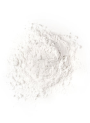
Vitamin C (L-ascorbic acid) (Ultra-Fine)
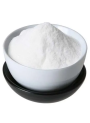
Vitamin C (L-ascorbic acid) (Fine)