Compatibility of AA2G, Peptides, B3, Zinc, ALA, and Salicylic Acid in Formulations
Question
I have questions regarding the compatibility of several cosmetic ingredients:
- Should Ascorbyl Glucoside (AA2G), also known as stabilized vitamin c, be avoided when used with B3 and Zinc, similar to Perfect-C?
- Besides Copper Peptide (GHK-Cu), which should not be used with acidic substances, do other peptides such as Pep Coll (Palmitoyl Tripeptide-5), Acetyl Hexapeptide-8, or Matrixyl 3000 (Palmitoyl Oligopeptide, Palmitoyl Tetrapeptide-7) have restrictions or should they be avoided when used with other active ingredients?
- If I want to use AA2G mixed in a gel base with various peptides (excluding Copper Peptide) or B3, is this possible?
- Are there any restrictions on using ALA (Alpha Lipoic Acid) and Salicylic Acid (BHA) together with other ingredients?
Answer
Compatibility of Cosmetic Ingredients: AA2G, Peptides, B3, Zinc, ALA, and Salicylic Acid
Regarding your questions about ingredient compatibility:
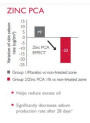
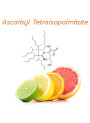
Ascorbyl Glucoside (AA2G) with Vitamin B3 and Zinc: Similar to Perfect-C, Ascorbyl Glucoside (AA2G) should not be used in formulas containing Vitamin B3 (Niacinamide) or Zinc PCA. These ingredients can affect the stability of AA2G.
Other Peptides and Active Ingredients: Besides Copper Peptide (which should not be used with Disodium EDTA), other peptides like Pep Coll, Acetyl Hexapeptide-8, and Matrixyl 3000 do not have explicit contraindications listed with the active ingredients you mentioned (Vitamin C derivatives like AA2G or Perfect-C, Vitamin B3, Zinc, ALA, or Salicylic Acid). However, when combining multiple active ingredients, it is always crucial to consider the optimal pH range for each ingredient to maintain stability and efficacy.
Mixing AA2G in Gel with Peptides or B3: You should avoid mixing AA2G with Vitamin B3 due to stability issues. Mixing AA2G with peptides (excluding Copper Peptide) might be possible in a gel base, provided the final pH of the formulation is carefully controlled and falls within the stable range for both AA2G (pH 6.5-6.8) and the specific peptides used. Always perform stability testing when combining ingredients.
ALA and Salicylic Acid Compatibility: The descriptions for Alpha Lipoic Acid (ALA) and Salicylic Acid (BHA) do not list specific incompatibilities with AA2G, Vitamin B3, Zinc, or the other peptides. However, both ALA and Salicylic Acid are acidic. When formulating with these ingredients alongside others, particularly pH-sensitive ones like AA2G, it is essential to manage the overall pH of the formulation to ensure the stability and effectiveness of all active ingredients. Salicylic Acid also requires specific solvents for dissolution.
Always conduct small-scale tests to check for compatibility, stability, and efficacy when combining multiple active ingredients in a formulation.
Related Products Mentioned
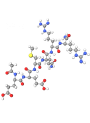
Acetyl Hexapeptide-8 (eq Argireline)
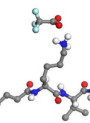
Pep®-Coll (Palmitoyl tripeptide-5)
Pal-GHK, Pal-GQPR (eq Matrixyl 3000)
Safe-B3™ (Vitamin B3, Niacinamide)
Salicylic Acid (BHA, Pharma Grade)
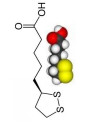
Alpha Lipoic Acid (ALA) (Powder)