Compatibility of ActiveRelease Retinal and Skin-mimic in Cream Formulation
Question
Can the following ingredients be mixed together without problems in a formulation: ActiveRelease Retinal™ 3%, Skin-mimic™ (Skin Barrier Restoration) 5-10%, Disodium EDTA 0.2%, Phenoxyethanol 0.5%, Light Cream Maker 0.5%, other moisturizers as specified percentage, and water up to 100%?
Answer
Based on the ingredients you've listed, it appears that these components can generally be combined in a formulation.
Here's a breakdown of the compatibility and some important considerations:
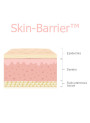
- General Compatibility: ActiveRelease Retinal™ (Retinal-EZ™), Skin-mimic™ (Skin-Barrier™), Disodium EDTA, Phenoxyethanol, and Light Cream Maker are designed to be used in cosmetic formulations and are typically compatible with standard ingredients like moisturizers and water within their recommended usage rates and pH ranges.
- pH Range: Disodium EDTA works best between pH 3.0-9.0, Phenoxyethanol between pH 2-9, and Light Cream Maker between pH 2.5-11. Ensuring your final formulation's pH falls within the overlapping range (ideally around 3.0-9.0, and often targeted around 5.5-6.5 for skin compatibility and Retinal stability) will help maintain the effectiveness and stability of these ingredients.
- Light Cream Maker and Electrolytes: Light Cream Maker™ can be affected by electrolytes. If the "other moisturizers" you plan to use contain electrolytes (such as ingredients with Sodium, Magnesium, Calcium, or Potassium like Sodium Lactate, Sodium PCA, or certain natural extracts), they might reduce the viscosity provided by the Light Cream Maker. At 0.5%, you are using the minimum recommended amount of Light Cream Maker. You might need to increase the percentage of Light Cream Maker (up to 3%) to achieve your desired cream consistency, especially if your formula contains electrolytes.
- ActiveRelease Retinal™ Stability: Retinaldehyde (in Retinal-EZ™) is sensitive to heat and light. It is crucial to add ActiveRelease Retinal™ in the final step of your formulation process, especially if any heating is involved, and avoid temperatures above 60°C. To maintain the long-term stability of the Retinal in the final product, it is highly recommended to use opaque and airless packaging and consider including stabilizers like antioxidants or UV protectors in your formula, although these were not listed in your proposed ingredients.
- Skin-mimic™ Storage: Skin-Barrier™ (Skin-mimic™) is best stored in a cool place (4-8°C) for long-term preservation, although it can be dispersed in water for your formulation.
In summary, mixing these ingredients is possible, but pay close attention to the potential impact of electrolytes on your cream's texture and take necessary precautions to protect the ActiveRelease Retinal™ from heat and light during manufacturing and in the final packaging to ensure its stability and efficacy over time.