Compatibility of Carbomer and Phenylethyl Resorcinol
Question
Why can't Carbomer be used with Phenylethyl Resorcinol in a cream formulation, even if Carbomer is added at the end, similar to a Lancome-like cream base with 1% Phenylethyl Resorcinol?
Answer
Compatibility of Carbomer and Phenylethyl Resorcinol
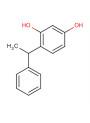
Based on the properties of the ingredients, Carbomer and Phenylethyl Resorcinol are generally not compatible in the same formulation.
Here's why:
- Phenylethyl Resorcinol Stability: Phenylethyl Resorcinol (such as the product with ID 898) is most stable and effective in formulations with a pH range of 4-5. If the pH is lower or higher than this range, its stability can deteriorate.
- Carbomer Thickening Mechanism: Carbomer polymers (such as Carbomer 940, Carbomer Ultrez 30, etc.) require neutralization with an alkali (like Triethanolamine or Sodium Hydroxide) to swell and create a gel or thicken a formula. This neutralization process typically raises the pH of the formulation to a range of 6-7 or higher for optimal viscosity.
When Carbomer is used and neutralized to thicken a cream, the resulting pH will be too high for the stability of Phenylethyl Resorcinol. The product description for Phenylethyl Resorcinol explicitly states, "Do not use Carbomer, Carbopol, PEG-400 in the formula."
Adding Carbomer at the end of the formulation process does not resolve this fundamental pH incompatibility. The final pH of the cream, after the Carbomer is neutralized, will still be outside the stable range for Phenylethyl Resorcinol, potentially leading to reduced efficacy or degradation of the active ingredient.
For formulations containing Phenylethyl Resorcinol, it is recommended to use thickening agents that are compatible with its required pH range of 4-5. The example recipe provided in the Phenylethyl Resorcinol description uses Xanthan Gum and Satin Cream Maker™ as thickeners, which are suitable alternatives.
Related Products Mentioned
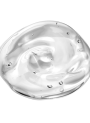
Carbomer 940 (EasyDisperse™, France)
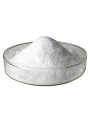
Carbomer 980 (Benzene-free, Toxic-free)