Compatibility of Fruit Extracts with MySkinRecipes Ingredients in Formulation
Question
I want to create a water-based gel/serum formulation. Can I combine my fruit extracts (tomato, mangosteen peel, pomegranate, grape seed, grapefruit, rose) with the following ingredients from MySkinRecipes?
- Vitamin B3 (Safe-B3™, Extreme-B3™)
- GlucoBright™ (Acetyl Glucosamine)
- WhiteCumin™ (Tetrahydrodiferuloylmethane)
- Vitamin B6 (Pyridoxine Hydrochloride)
- Soy Extract (Isoflaqua™, Tryptic-Soy™)
- WaterLock™ (Polyquaternium-51)
- Pro Polymer™ (Gel Maker)
- Glycerin
Answer
Ingredient Compatibility Guidance
Regarding your question about combining your fruit extracts (tomato, mangosteen peel, pomegranate, grape seed, grapefruit, rose) with ingredients from the MySkinRecipes website, here is some guidance:
Compatibility of MySkinRecipes Ingredients
Based on the product information, the ingredients you listed from the MySkinRecipes website are generally compatible with each other in water-based formulations:
- Vitamin B3 (Niacinamide): Available in different grades like Safe-B3™ and Extreme-B3™. It is water-soluble and stable in a pH range of 3-8 (optimally 4.0-7.0). It should not be heated for prolonged periods. Extreme-B3™ is a high-purity grade suitable for sensitive skin.
- GlucoBright™ (Acetyl Glucosamine): Water-soluble powder that works well with Vitamin B3 for whitening and stimulating hyaluronic acid production. It should be mixed in the water phase and is stable in a pH range of 3-7.
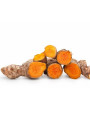
- WhiteCumin™ (Tetrahydrodiferuloylmethane): Available in two forms: WhiteCumin™ 2x (liquid, water-soluble) and WhiteCumin™ (powder, soluble in Glycol, Propanediol, and oil). Both are potent antioxidants and help reduce pigmentation. The liquid form is easier to incorporate into water-based formulas.
- Vitamin B6 (Pyridoxine Hydrochloride): A water-soluble powder effective for oil control and pore tightening on oily skin. It is sensitive to heat and light and is stable only in a pH range of 2-6. It is also an electrolyte and can reduce the viscosity of gels or creams, requiring a higher concentration of thickener.
- Soy Extract: Available in forms like Isoflaqua™ (water-soluble powder, encapsulated isoflavones) and Tryptic-Soy™ (water-soluble cloudy liquid). These offer anti-aging, brightening, moisturizing, and anti-inflammatory benefits.
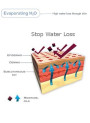
- WaterLock™ (Polyquaternium-51): A clear liquid that is water-soluble and adheres to skin/hair to prevent water loss. It can be mixed in water and tolerates pH 3-8.
- Pro Polymer™ (Gel Maker): A white powder used to create gel texture in water-based formulas or creamy texture in water+oil formulas. It is water-soluble but sensitive to electrolytes, which can reduce viscosity. Higher concentrations may be needed if electrolytes are present. It should be mixed carefully without excessive blending.
- Glycerin: A clear liquid, highly soluble in water, used as a humectant, solvent, and emollient. It can be mixed into almost any cosmetic type in the water phase.
Compatibility with Your Fruit Extracts
Determining compatibility between your specific fruit extracts (tomato, mangosteen peel, pomegranate, grape seed, grapefruit, rose) and the MySkinRecipes ingredients is challenging without detailed technical information about your extracts. Factors such as:
- The solvent used for extraction (water, alcohol, oil, glycerin, etc.)
- The concentration of active compounds
- The pH of the extract
- The presence of other compounds or potential electrolytes in the extract
...all significantly impact compatibility and stability when combined with other ingredients.
As the previous replies mentioned, the most reliable way to ensure compatibility is to consult the technical data sheets from the suppliers of each ingredient, including your fruit extracts. They can provide specific compatibility information and recommended usage guidelines.
How to Determine Ingredient Compatibility
If supplier data is unavailable for your fruit extracts, predicting compatibility is difficult. However, general principles and testing can help:
- Consider Solubility: Ensure all ingredients are soluble in the intended base (e.g., water-based gel, oil-based serum). Most of the MySkinRecipes ingredients you listed are water-soluble, suggesting a water-based formula would be appropriate for them.
- Check pH Compatibility: Each ingredient has an optimal pH range for stability and efficacy. The final formula's pH must be within the acceptable range for all ingredients. Vitamin B6, for example, is only stable at pH 2-6, while Vitamin B3 is stable at pH 3-8. You would need to adjust the final pH accordingly.
- Identify Potential Interactions: Some ingredients can react with each other (e.g., ingredients with opposite ionic charges, or ingredients sensitive to oxidizing/reducing agents). Electrolytes can also affect the viscosity of certain thickeners like Pro Polymer.
- Perform Small-Scale Testing: The best practical approach is to create small test batches combining your fruit extracts with the MySkinRecipes ingredients in the desired ratios. Observe the mixture over time (days to weeks) under different conditions (room temperature, elevated temperature, e.g., 40°C) for signs of instability, such as:
- Precipitation or cloudiness
- Separation of phases
- Changes in color or odor
- Changes in viscosity (thickening or thinning)
This testing helps identify physical incompatibilities, but it may not reveal chemical interactions that affect efficacy or long-term stability.
In summary, while the MySkinRecipes ingredients you listed are compatible with each other, their compatibility with your specific fruit extracts cannot be guaranteed without more information about the extracts or conducting compatibility testing.
Related Products Mentioned
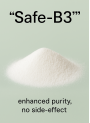
Safe-B3™ (Vitamin B3, Niacinamide)
GlucoBright™ (Acetyl Glucosamine)
Glycerin (USP/Food Grade)
Pro Polymer™ (Gel Maker)
WaterLock™ (Polyquaternium-51)
Vitamin B6 (Pyridoxine Hydrochloride)