Compatibility of Glycolic Acid, Niacinamide, Sodium Lactate in Shower Gel and Foaming Issue
Question
I am formulating a shower gel using Glycolic Acid (Glycopure), Vitamin B3 (Safe-B3), and Sodium Lactate.
I noticed that adding Glycolic Acid reduces the foam.
- What is the compatibility of
Glycolic Acid,Vitamin B3, andSodium Lactatein a shower gel base? - Why does adding
Glycolic Acidreduce foam? - How can I increase foam in this formulation?
Answer
Formulation Compatibility and Foaming in Shower Gel
Regarding the combination of Glycolic Acid, Vitamin B3 (Niacinamide), and Sodium Lactate in a shower gel base, there are compatibility considerations primarily related to pH levels.
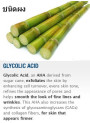
- Glycolic Acid (Glycopure) is an Alpha Hydroxy Acid (AHA) that is most effective at low pH levels, ideally below 4.0 (and below 3.5 for consumer products according to FDA guidelines for maximum efficacy). Its function is to exfoliate the skin.
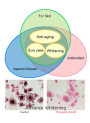
- Vitamin B3 (Safe-B3) (Niacinamide) is generally stable and effective in a pH range of 4.0-7.0. It helps with skin brightening, reducing redness, and improving the skin barrier.
- Sodium Lactate is a salt of Lactic Acid and acts as a humectant (moisture retainer) and pH buffer. It is mildly alkaline and will raise the pH of a formulation.
Combining Glycolic Acid and Sodium Lactate is problematic because Sodium Lactate will increase the pH, significantly reducing the exfoliating effectiveness of Glycolic Acid, which requires an acidic environment to work properly. While Niacinamide's optimal range (4-7) overlaps somewhat with a slightly higher pH, it's difficult to find a single pH where all three ingredients are optimally effective and stable, especially maximizing Glycolic Acid's exfoliation.
They do not necessarily block each other's action directly in a chemical sense, but the pH conflict prevents Glycolic Acid from performing at its best when combined with an alkaline ingredient like Sodium Lactate.
To achieve skin brightening and smoothness, consider focusing your formulation goals:
Focus on Exfoliation (Smoothness) with Glycolic Acid: If your primary goal is exfoliation and smoothness using Glycolic Acid (Glycopure), the formula's pH must be kept low (below 4.0). In this case, Sodium Lactate is not a suitable addition as it will raise the pH. For brightening in a low pH formula, you could consider other ingredients compatible with acidic conditions, though many popular brighteners like Ascorbyl Glucoside (stable at pH 6.5-6.8) or Alpha Arbutin (optimal pH 3.5-6.5) have pH requirements that are challenging to align perfectly with the optimal pH for Glycolic Acid.
Focus on Brightening and Skin Barrier with Niacinamide: If your focus is on the benefits of Niacinamide (Safe-B3) for brightening and skin barrier support, you would formulate within its stable pH range of 4.0-7.0. Glycolic Acid would be much less effective at this pH. For exfoliation, you might consider gentler options or adjust the formula significantly.
Regarding the reduction in foam when adding Glycolic Acid, this is expected as acids can sometimes affect surfactant performance. To increase foam in an acidic or slightly acidic shower gel, you need foaming agents that are stable and effective at lower pH levels. Some foaming agents suitable for cleansing products include:
- Creamy Foamer (Sodium Methyl Cocoyl Taurate): Creates soft, smooth foam. Works best at pH 6.3, which might be too high for optimal Glycolic Acid efficacy but could work for Niacinamide.
- IseFoam (Sodium Lauroyl Methyl Isethionate): A gentle detergent that produces good foam. Its pH compatibility needs to be tested with your specific formula.
- SulFoam (Disodium Laureth Sulfosuccinate): A gentle detergent with a pH range of 5.5-6.5, which is closer to neutral but still higher than the ideal pH for Glycolic Acid.
When selecting a foaming agent, always check its recommended pH range and test its performance and stability in your target formula pH. You may need to experiment with different foaming agents or combinations to achieve the desired foam level at the required pH for your chosen active ingredients.
For skin brightening and smoothness, if you choose to formulate at a pH suitable for Glycolic Acid, Glycopure is effective for exfoliation. If you formulate at a higher pH for Niacinamide (Safe-B3), you might consider Alpha Arbutin (optimal pH 3.5-6.5) as a brightening agent, keeping in mind the pH balance with Niacinamide.
Salicylic Acid (BHA) is another option for exfoliation, particularly for addressing clogged pores, and is effective at low pH (below 4.0), making it potentially compatible with a low-pH exfoliating shower gel.
Ultimately, combining these ingredients requires careful pH adjustment and consideration of which active ingredients' benefits you want to prioritize in the final wash-off product.
Related Products Mentioned
Alpha Arbutin (Switzerland)
Safe-B3™ (Vitamin B3, Niacinamide)
Sodium Lactate (60% Liquid, Natural)
Salicylic Acid (BHA, Pharma Grade)