Compatibility of Ingredients in a Scrub/Cleansing Formulation
Question
I have a formulation divided into parts A, B, C, and D. I plan to mix part A, then add part B, followed by C and D.
Part A:
- Water 12
- shea butter 1%
- Cetely 2%
- เกร็ดสบู่ (เพื่อเพิ่มฟองชะล้าง) 10%
Part B:
- Glycerine 2%
- Mineral Oil (Paraffinum Liquidum) ชนิดเบา 3%
- Pg 5%
- น้ำมันเมล็ดองุ่น 2%
- Avocado Oil 1%
- Emulliant O5 5%
Part C:
- เกลือแป้ง 45%
- ผงสมุนไพร ชาเขียว 3%
- ดินสอพองสะตุ 7%
- กรดมะนาว 0.5%
Part D:
- กันเสีย Phenox 1%
- กลิ่น 0.5%
Based on the formula above, are all the ingredients compatible?
Answer
Compatibility Issues in the Formulation
The main problem lies in combining Citric Acid and Salt Powder (Sodium Chloride) in Part C with the base containing Soap flakes (an alkaline ingredient) from Part A.
Here's a breakdown of the concerns:
- Reaction between Citric Acid and Soap Flakes: Soap is made from fatty acids and an alkali. When you add an acid like Citric Acid to soap, it causes a chemical reaction (neutralization). This reaction breaks down the soap into free fatty acids and salts, which will drastically lower the pH of the mixture. This process will destroy the emulsifying properties of the soap flakes and likely break the emulsion formed by the oil and water phases (Parts A and B), leading to separation of the ingredients.
- High Salt Concentration: A high concentration of salt (45% Sodium Chloride) in a surfactant system can cause instability, often leading to "salting out" where the surfactants become less soluble and effective. While salt is used as an exfoliant in scrubs, this high percentage, combined with the acid-soap reaction, will further destabilize the formulation.
- Mixing Order: Adding Part C (containing the acid and salt) after mixing Parts A and B (which form the base emulsion with soap) directly introduces the incompatible ingredients into the formed system, guaranteeing instability and separation.
Ingredients like Shea Butter, Cetyl Alcohol, Glycerine, Mineral Oil, Propylene Glycol, Grape Seed Oil, Avocado Oil, Oleth-5, Green Tea herbal powder, Dinsor Pong Satu (clay), Preservative Phenox (Phenoxyethanol), and Fragrance are generally compatible with each other in appropriate formulations, but the reaction between the acid and soap, exacerbated by the high salt content, will cause the overall formula to fail.
Therefore, this formulation as written is not compatible and will likely result in an unstable product with separated layers and poor performance.
Related Products Mentioned
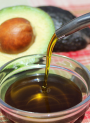
Avocado Oil (Refined)
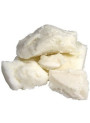
Shea Butter (Refined , Deodorised)
Propylene Glycol (USP)
Glycerin (USP/Food Grade)
Cetyl Alcohol

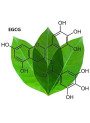
Pure-EGCG™ (Green Tea Extract, 98% EGCG)

Oleth-5
Sodium Chloride (High Purity, 99.9%)
Citric Acid (Anhydrous, Natural)