Compatibility of Vitamin C (L-Ascorbic Acid), Retinal, and Plankton GP4G in Formulation
Question
I would like to combine the following three ingredients in a single formulation:
- Retinal (Retinaldehyde)
- Plankton GP4G™
- Vitamin C (L-Ascorbic Acid) ultra fine
Are these three ingredients compatible, or are there any issues when combining them?
Answer
Ingredient Compatibility: Vitamin C (L-Ascorbic Acid), Retinal, and Plankton GP4G
Regarding the compatibility of Vitamin C (L-ascorbic acid), Retinal (Retinaldehyde), and Plankton GP4G in a single formulation:
Retinal and Plankton GP4G: These two ingredients are generally compatible and can be included in the same formula without significant issues.
Vitamin C (L-Ascorbic Acid): L-ascorbic acid is a potent form of Vitamin C, but it is highly unstable, especially in the presence of water and at higher pH levels. It requires a low pH (typically around 3.5 or lower) to remain stable and effective.
Combining L-Ascorbic Acid with Retinal: This combination is challenging because Retinal, a form of Vitamin A, often requires a higher, less acidic pH range for optimal stability and efficacy compared to L-ascorbic acid. Formulating at the low pH required for L-ascorbic acid can destabilize Retinal or increase the risk of skin irritation. Conversely, formulating at a higher pH suitable for Retinal will quickly degrade L-ascorbic acid.
Therefore, while Retinal and Plankton GP4G can be combined, adding L-ascorbic acid to the same formula is difficult due to conflicting pH requirements and stability issues. It is generally recommended to use L-ascorbic acid and Retinal in separate products or at different times of the day to ensure you get the full benefits of each ingredient and minimize potential irritation.
Related Products Mentioned
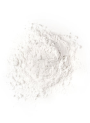
Vitamin C (L-ascorbic acid) (Ultra-Fine)
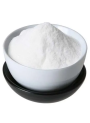
Vitamin C (L-ascorbic acid) (Fine)
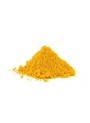
Retinal (Retinaldehyde)