Compatibility of WaterLock™ with Xanthan Gum, Pro Polymer™, and PhosphoMax™
Question
Can WaterLock™ (Polyquaternium-51), a cationic ingredient, be used with Xanthan Gum, Pro Polymer™, and PhosphoMax™? What are the general compatibility rules for mixing ingredients with opposite charges in cosmetic formulations?
Answer
Compatibility of WaterLock™ with Other Thickeners/Ingredients
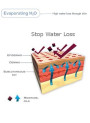
WaterLock™ (Polyquaternium-51) is a positively charged (Cationic) ingredient known for its ability to adhere to skin or hair, helping to reduce water loss.
When mixing positively charged ingredients like WaterLock™ with negatively charged (Anionic) ingredients, incompatibility issues often arise, such as precipitation or a significant loss of viscosity.
- Xanthan Gum: This is a viscosity increasing agent that is anionic (negatively charged). Therefore, WaterLock™ is incompatible with Xanthan Gum. Mixing them can lead to precipitation or destabilization of the gel.
- Pro Polymer™ (ACRYLATES/C10-30 ALKYL ACRYLATE CROSSPOLYMER): Generally, Acrylates Crosspolymer ingredients are anionic polymers. Although Pro Polymer™ is described as having electrolyte resistance (referring to resistance to charged ions), mixing it with a cationic polymer like WaterLock™ is likely to cause incompatibility issues similar to Xanthan Gum. It is expected that WaterLock™ is incompatible with Pro Polymer™.
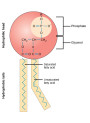
- PhosphoMax™ (Natural Phospholipid Emulsifier): This is a phospholipid-based emulsifier with a complex structure that may contain both positive and negative charges (Zwitterionic) or be modified. The description indicates that PhosphoMax™ can be used with Xanthan Gum (anionic) to help stabilize emulsions. However, mixing it with a strong cationic ingredient like WaterLock™ could potentially disrupt the emulsion structure. Compatibility should be tested before actual use.
In summary, ingredients with opposite charges, especially charged polymers, are generally incompatible when mixed in cosmetic formulations. However, compatibility can depend on the specific ingredients, their concentrations, and other conditions in the formula.
Related Products Mentioned
Pro Polymer™ (Gel Maker)