Complex Serum Formulation: Preservative & Liposome Questions
Question
Regarding a complex anti-wrinkle serum/gel formulation containing multiple active ingredients, can Phenoxyethanol SA be replaced with Mild Preserved Eco™, and can Vitamin E (Tocopheryl Acetate) serve as the sole oil phase for liposome formation with Phospholipid?
Answer
Formulation Questions Answered
Based on the ingredients in your anti-wrinkle gel formula and your specific questions, here is the analysis:
Preservative Substitution: Phenoxyethanol SA vs. Mild Preserved Eco™
You asked if you can replace Phenoxyethanol SA (equivalent to Optiphen Plus) with Mild Preserved Eco™.
- Phenoxyethanol SA is a broad-spectrum preservative effective in a pH range of 2.0-6.0. It is typically used at 0.5-1.25%.
- Mild Preserved Eco™ contains Ethylhexylglycerin and 1,3 Propanediol. It is considered gentle and is not classified as a preservative by the FDA, allowing for "preservative-free" claims. It is effective in a pH range of 4-9 and recommended for use at 1.0-1.5% for general formulas, or up to 2.0% for formulas that are difficult to preserve.
Answer: Yes, you can potentially replace Phenoxyethanol SA with Mild Preserved Eco™. However, it is crucial to check the final pH of your formula. Mild Preserved Eco™ is effective in a pH range of 4-9. Your formula contains Vitamin C (L-ascorbic acid) at 5%, which can significantly lower the pH. If the final pH of your formula is below 4.0, Mild Preserved Eco™ may not provide adequate preservation. If the pH is 4.0 or above, Mild Preserved Eco™ can be used, likely at a concentration of 1.0-1.5% or even 2% given the complexity of your formula.
Important: Regardless of the preservative used, a challenge test is highly recommended for any cosmetic product intended for sale to ensure the formula is adequately preserved against microbial growth.
Vitamin E as Oil Phase for Liposome Formation with Phospholipid
You asked if Vitamin E (Tocopheryl Acetate) can be used as the oil phase when creating liposomes with Phospholipid, or if another oil is needed.
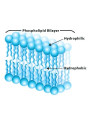
- Phospholipid (Hydrogenated Lecithin) can form liposomes and can be dispersed in either water or oil at room temperature (below 40°C). The formula must contain both water and oil phases for proper dispersion and liposome formation.
- Vitamin E (Tocopheryl Acetate) is an oil-soluble ingredient.
Answer: Yes, Vitamin E (Tocopheryl Acetate), being oil-soluble, can certainly be included as part of the oil phase when working with Phospholipid to form liposomes. Phospholipid requires both water and oil components in the formula to disperse correctly and facilitate liposome formation.
While Vitamin E can contribute to the oil phase, using only 1% Vitamin E as the entire oil phase might be insufficient for optimal liposome structure or overall formula stability, especially with 3% Phospholipid. Phospholipids are often used in cream formulations which typically have a more substantial oil phase. Therefore, it would likely be beneficial or necessary to include additional oil phase ingredients in your formula to achieve robust liposome formation and a stable product texture.
Additional Recommendations
Your formula is quite complex with a high concentration of various active ingredients, including Vitamin C (L-ascorbic acid) and ActiveRelease Retinal™. Formulating with multiple potent actives requires careful consideration of compatibility and stability.
- pH Management: The combination of L-ascorbic acid (prefers low pH) and Mild Preserved Eco™ (requires pH 4-9 for effectiveness) highlights the critical need to measure and control the final pH of your formula. If you use Mild Preserved Eco™, ensure the pH is within its effective range.
- Stability Testing: Given the number and concentration of active ingredients, particularly the potentially unstable Vitamin C and Retinal, rigorous stability testing (including monitoring pH, color, odor, and viscosity over time and under different temperature conditions) is essential to ensure the product remains effective and safe throughout its shelf life.
- Ingredient Interactions: Be mindful of potential interactions between the various active ingredients. While many combinations are beneficial, some can lead to degradation or reduced efficacy.
By carefully considering the points above and performing appropriate testing, you can create a stable and effective anti-wrinkle gel.
Related Products Mentioned
Pep®-Coll (Palmitoyl tripeptide-5)
Vitamin E (Tocopheryl Acetate)
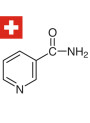
Safe-B3™ (Vitamin B3, Niacinamide)

Allantoin

Vitamin C (L-ascorbic acid) (Fine)

Glycerin (USP/Food Grade)
Disodium EDTA
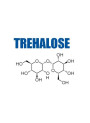
TreMoisture™ (Trehalose)
Pro Polymer™ (Gel Maker)

DMAE (SkinTight MD™) Liquid

Phenoxyethanol SA (eq. Optiphen Plus)
Mild Preserved Eco™ (Preservative-Free)
Adenosine Liposome
Phospholipid
Laurocapram (Water Soluble)
L-Arginine
L-Proline
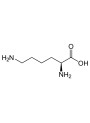
L-Lysine (Base)
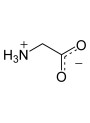
Glycine