Converting Cleansing Water to Gel: Thickener Selection
Question
I am currently using Mizumi cleansing water, but using cotton pads feels abrasive on my skin. I want to switch to a Cleansing gel so I can apply it directly with my hands (without using cotton pads). I would like to consult about using a thickener. The ingredients of the product are: DI-Water, Dipropylene glycol, Poloxamer 184, Sorbitol, PEG-6 Caprylic/Capric Glycerides, Glycerin, Butylene Glycol, Cichorium Intybus Leaf Extract, Brassica Oleracea Italica Extract, Apium Graveolens Extract, Sodium Polyacrylate, Sodium Chloride, Caprylhydroxamic Acid, 1,2-Hexanediol, Phenoxyethanol, Betaine, Disodium EDTA, Sodium PCA, Serine, Sodium Hyaluronate, Glutamic Acid, Alanine, Lysine, Arginine, Threonine, Opuntia Ficus-Indica Stem Extract, Glycine, Proline, PolyGlutamic Acid. Based on my observation, the main surfactants used are Poloxamer 184 and PEG-6 Caprylic/Capric Glycerides, with Sodium Polyacrylate used as an Emulsifier in the formula. If I purchase Sodium Polyacrylate (Light Cream Maker) to add to make it thicker into a gel texture, would that be possible and appropriate? Or would the staff recommend another option, such as Pro Polymer (Acrylate Crosspolymer)? Thank you very much.
Answer
Adding a thickener directly to a finished cleansing water product is generally not recommended. Cosmetic formulations are complex and carefully balanced, and adding ingredients afterward can destabilize the product, affecting its clarity, texture, and effectiveness. It's better to create a new formulation designed as a cleansing gel.
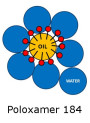
Based on the ingredients you provided from the cleansing water (Poloxamer 184, PEG-6 Caprylic/Capric Glycerides, and Sodium Polyacrylate), you are looking for a thickener suitable for a water-based system containing these surfactants and potentially other ingredients like electrolytes (such as Sodium PCA, Sodium Chloride, and amino acids which are present in the ingredient list you shared).
You asked about using Sodium Polyacrylate (like Light Cream Maker) or Pro Polymer (Acrylate Crosspolymer) to create a gel texture.
- Light Cream Maker (Sodium Polyacrylate (and) Polyisobutene (and) Water) is primarily an oil-in-water emulsifier but can also act as a thickener in the water phase. It can tolerate some electrolytes, but its description notes it "cannot be used in high electrolyte formulations" and you may need to significantly increase the usage rate if electrolytes are present, which could make the texture less desirable or impact stability.
- Pro Polymer (ACRYLATES/C10-30 ALKYL ACRYLATE CROSSPOLYMER) is specifically a gel-forming substance designed to create a gel texture in water-based formulas. It is described as having "good electrolyte resistance," although like Light Cream Maker, you may need to use a higher concentration if your formula contains a significant amount of electrolytes.
Considering your goal is to create a cleansing gel and your formula will likely contain electrolytes based on the original product's ingredient list, Pro Polymer appears to be a more suitable choice for achieving a stable gel texture due to its specific function as a gel maker and better reported electrolyte resistance compared to Light Cream Maker when used primarily as a thickener in a water-only or low-oil system.
While Light Cream Maker is present in the original cleansing water, it might be used there more for its emulsifying properties or to provide a slight body rather than significant gel thickness. For creating a true gel texture, Pro Polymer is generally preferred, especially in formulas with potential electrolyte challenges.
Therefore, for formulating a new cleansing gel with Poloxamer 184 and PEG-6 Caprylic/Capric Glycerides, Pro Polymer would likely be a more effective and stable thickener than trying to use Light Cream Maker for this purpose, particularly if the formula includes electrolytes.