Converting Reshape Memory Gel Formula to Cream
Question
I am using a gel formula based on PEG-240/HDI Copolymer Bis-Decyltetradeceth-20 Ether (like Reshape Memory Gel Maker). I want to convert this gel formula into a cream texture. What are the key ingredients I should add or increase, such as oils, silicones (Cyclomethicone), and emulsifiers, and what percentage range (e.g., 10-15%) is appropriate for the oil/silicone phase to achieve a stable cream texture?
Answer
Understanding the Reshape Memory Gel Mask Formula
The provided formula for the Reshape Memory Gel Mask contains a variety of ingredients that contribute to its unique texture and skin benefits. The key ingredient responsible for the "reshape memory" gel texture is PEG-240/HDI Copolymer Bis-Decyltetradeceth-20 Ether. This is a polymer-based thickener designed to create clear, elastic gels in water-based formulations.
Other significant components in the formula include:
- Hydrators: Ingredients like Water, Butylene Glycol, Glycerin, Trehalose, Sodium Hyaluronate, Beta-Glucan, Propanediol, Caprylyl Glycol, and Hydrolyzed Collagen help to provide moisture to the skin.
- Silicones: Cyclopentasiloxane, Cyclohexasiloxane, Dimethiconol, Dimethicone, and Dimethicone/Vinyl Dimethicone Crosspolymer contribute to the smooth feel, spreadability, and a lightweight film on the skin.
- Emollients & Thickeners: Caprylic/capric triglyceride, Stearyl Behenate, Behenyl Alcohol, Cetearyl Alcohol, Tapioca Starch, and Inulin Lauryl Carbamate add to the texture, skin feel, and conditioning.
- Emulsifiers: Polysorbate 20, Polyglyceryl-3 Methylglucose Distearate, Polyglyceryl-10 Pentastearate, Sodium Stearoyl Lactylate, Cetearyl Glucoside, and Hydrogenated Lecithin help blend the different phases of the formula.
- Active Ingredients: Camellia Sinensis Leaf Extract, Adenosine, Aminobutyric Acid, Polianthes Tuberosa Polysaccharide, Theobroma Cacao (Cocoa) Extract, and Lactobacillus Ferment provide various skin benefits.
- Preservatives & Stabilizers: Glyceryl Caprylate, Ethylhexylglycerin, Caprylyl Glycol, Phenoxyethanol, and Disodium EDTA ensure product stability and safety.
Converting the Gel to a Cream
As suggested by cosmeceutical7, you can modify a gel formula based on PEG-240/HDI Copolymer Bis-Decyltetradeceth-20 Ether into a cream by adding an oil phase and an emulsifier. The original formula already contains some ingredients suitable for an oil phase and emulsification.
Key ingredients to consider adding or increasing for a cream texture include:
- Emollients/Oils: Caprylic/Capric Triglyceride (also known as Fractionated Coconut Oil) is a lightweight, non-greasy emollient that absorbs quickly. Cetearyl Alcohol is a fatty alcohol that acts as a thickener and emollient in creams.
- Silicones: Cyclopentasiloxane provides a light, silky feel and helps with spreadability. Dimethicone offers a lasting smooth feel.
A typical approach to creating a cream involves combining a heated water phase with a heated oil phase using an appropriate emulsifier system. The original formula contains several emulsifiers that could potentially be utilized or adjusted. Adding approximately 10-15% of these oil/silicone phase ingredients is a suggested starting point, but thorough formulation and stability testing are crucial to ensure the final cream is stable and has the desired texture.
Related Products Mentioned
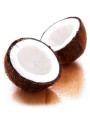
Fractionated Coconut Oil
Cetearyl Alcohol (50/50, e.q. Lanette O)