Cooling Agents and Their Properties in Formulations
Asked by: princesszaa.thanya
On: June 08, 2013
Product Type:
Cosmetics
Answered
Question
Could you explain the different types of cooling agents used in cosmetic and food formulations, their properties (such as solubility, irritation potential, and duration of cooling), and how to choose the appropriate one for various product types like creams, lip balms, toothpastes, mouthwashes, and sprays?
Answer
Cooling Agents for Formulations
To achieve a fresh, cooling sensation in cosmetic or food formulations, various cooling agents can be used. While menthol is a well-known option, there are other types available with different properties and benefits.
Types of Cooling Agents:
- Menthol: The classic cooling agent. Available in different forms, including crystals (which require heat to dissolve in oil) and water-soluble liquids like Menthol Water Soluble (20% Menthol, Liquid). Menthol provides a strong cooling sensation but can sometimes cause irritation.
- Menthyl Lactate: An alternative to menthol that is generally milder on the skin and easier to incorporate into formulations as it is often available in liquid form or dissolves easily in oil or glycols. Examples include CoolTouch™ (Menthyl Lactate) and CoCool™ (Menthol+Menthyl Lactate), which is a blend of menthol and menthyl lactate.
- WS-3 (Ethyl Menthane Carboxamide): Provides a clean cooling sensation without the strong minty taste or smell of menthol. Lip Cool™ (WS-3 Cooling Agent) is an example, specifically designed for lip products.
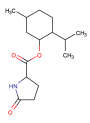
- Menthyl PCA: Offers a long-lasting cooling effect by slowly releasing menthol over several hours. It can also provide moisturizing benefits.
- Water-Soluble Cooling Agents: Products like Water-Cool™ (Water-Soluble Cooling Agent) are designed to dissolve directly in water, making them suitable for clear, water-based formulas like sprays.
- Encapsulated Cooling Agents: These agents, such as Cooling Green Beads (Menthol Encapsulation) and Long-Cool™ (Encapsulated Menthol), release the cooling sensation over a longer period. Encapsulated forms are often used in oral care products like toothpaste or mouthwash, or in products where prolonged cooling is desired.
Choosing the right cooling agent depends on the desired intensity and duration of cooling, the type of product (e.g., skin cream, lip balm, toothpaste), and the solubility needed for your formulation.
Related Products Mentioned

Lip Cool™ (WS-3 Cooling Agent)
Cosmetics

CoolTouch™ (Menthyl Lactate)
Cosmetics




Menthyl PCA
Cosmetics