Copper Peptide: Compatibility with Vitamin C, Clogged Pores, and Allergic Reactions
Question
I have a question about Copper Peptide:
- Can Copper Peptide be used with Nanowhite (which contains Vitamin C encapsulated in Liposomes)? Will it degrade the Vitamin C?
- Does Copper Peptide cause clogged pores?
- I experienced a burning and itching sensation all over my face after using a serum containing Copper Peptide as a new ingredient. I have used all other ingredients in the formula before without any issues. Could this be an allergic reaction to the Copper Peptide?
Answer
Summary of Points Regarding Copper Peptide
1. Using Copper Peptide with Nanowhite (containing Vitamin C)
Theoretically, Copper Peptide can degrade Vitamin C. However, since the Vitamin C in Nanowhite is encapsulated in Liposomes, it is difficult to determine exactly how quickly Copper Peptide would degrade it, or if it would happen before the Vitamin C can take effect on the skin.
2. Does Copper Peptide cause clogged pores?
Copper Peptide is highly water-soluble and is not expected to cause clogged pores, as it can be easily washed off with water.
3. The Allergic Reaction Experienced
Based on your information that you had previously used the other ingredients in the formula without issue, and the allergic reaction (burning, itching all over the face) occurred after using a serum containing Copper Peptide as a new ingredient, it is highly likely that you may have had an allergic reaction to the Copper Peptide in that formula. Allergic reactions are individual and can occur even with ingredients that do not cause clogged pores.
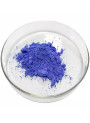
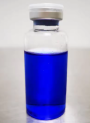
Copper Peptide products mentioned in the system include Copper Peptide (GHK-Cu, Copper Tripeptide-1) (1000ppm Solution), Copper Peptide (GHK-Cu Copper Tripeptide-1, 1:1) Powder, and Copper Tripeptide 10x (GHK-Cu, Copper Tripeptide-1) (10000ppm Solution).