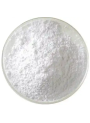
Cosmetic Formula Stability with L-Ascorbic Acid & Beginner Tips
Question
I found a cosmetic formula and plan to order some ingredients. Could you review the formula and my ingredient list? The formula is:
Beeswax (5-10%)Carrier oil (30-35%)Purified WaterVit.C (L-ascorbic acid) (15 - 20%)Vit.E (2 - 5%)Glycerin (4-8%)Tween 20 (Polysorbate 20) (8-15%)
I plan to order the following ingredients:
Vitamin C (L-ascorbic acid) Ultra-FineGlycerin (Vegetable) 99.5%Synthetic White BeeswaxTea Tree Oil (Australian - Oil Soluble)Purified WaterVitamin E (dl-alpha tocopherol)Polysorbate 20 (Tween 20)Alpha Arbutin
Will this formula be effective for whitening, especially with the Vitamin C (L-ascorbic acid) Ultra-Fine I plan to use? Are the ingredients I'm ordering suitable for this formula?
Answer
Cosmetic Formulation Advice for Beginners
Hello! It's great that you're starting to learn about making your own cosmetics. I can help guide you based on the formula you found and the ingredients you're planning to order.
Regarding your questions:
Website Ordering: I cannot directly check the status or functionality of the website. Please visit the website directly or contact their customer service for the most accurate information on ordering.
The Formula You Found: The formula you provided includes several common cosmetic ingredients:
- Beeswax (5-10%)
- Carrier oil (30-35%)
- Purified Water
- Vit.C (L-ascorbic acid) (15 - 20%)
- Vit.E (2 - 5%)
- Glycerin (4-8%)
- Tween 20 (Polysorbate 20) (8-15%)
Based on the Staff's reply and the properties of Vitamin C (L-ascorbic acid) Ultra-Fine, this formula, particularly with L-ascorbic acid dissolved in water (as indicated by the presence of Purified Water), will likely not be stable or effective for long. L-ascorbic acid is highly prone to oxidation and degradation when dissolved in water, losing its potency quickly.
As the Staff recommended, if you want to include Vitamin C in a water-based formula, it is better to use a more stable derivative like Ethyl Ascorbic Acid, which dissolves directly in water and is much more stable.
Comparing Your Order to the Formula: Let's look at the ingredients you are planning to order:
- Vitamin C (L-ascorbic acid) Ultra-Fine: This matches the Vitamin C type in your formula, but again, be aware of its instability in water.
- Glycerin (Vegetable) 99.5%: This matches the Glycerin in your formula.
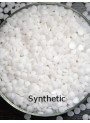
- Synthetic White Beeswax: This is a type of Beeswax, which is in your formula. Note that there are different types like Natural White Beeswax and Synthetic White Beeswax, which might have slightly different properties (e.g., melting point).
- Tea Tree Oil (Australian - Oil Soluble): This is an essential oil, not a carrier oil. Your formula requires a significant percentage (30-35%) of a carrier oil (a base oil like jojoba oil, sweet almond oil, etc.). You are missing a carrier oil in your order list for this formula.
- Purified Water: This matches the Purified Water in your formula.
- Vitamin E (dl-alpha tocopherol): This matches the Vitamin E in your formula.
- Polysorbate 20 (Tween 20): This matches the Tween 20 in your formula.
- Alpha Arbutin: This ingredient is not in the formula you provided. Alpha Arbutin is a known skin brightening agent, but adding it would require adjusting the formula and considering its compatibility and recommended usage rate (typically 0.2-2%).
In summary of your order vs. the formula: You have most of the ingredients, but you are missing a carrier oil (the main oil component) and you have ordered Tea Tree Oil and Alpha Arbutin which are not in the original formula.
Whitening Effectiveness: As explained earlier, the formula as written, using L-ascorbic acid in a water-containing base, is unlikely to provide effective or lasting whitening due to the rapid degradation of L-ascorbic acid in water. While L-ascorbic acid is potent, its instability in this type of formula is a major drawback.
If you want to create a whitening product, consider using more stable forms of Vitamin C like Ethyl Ascorbic Acid or other proven whitening agents like Alpha Arbutin (which you have ordered). However, incorporating these requires proper formulation knowledge regarding compatibility, pH requirements, and appropriate usage rates to ensure both efficacy and safety.
Recommendations for Beginners
- Start Simple: Begin with simpler formulations (e.g., basic lotions or balms) before attempting more complex ones with multiple active ingredients.
- Research Ingredients: Thoroughly research each ingredient you plan to use, understanding its properties, recommended usage rate, how to mix it, and any compatibility issues (e.g., pH sensitivity, heat sensitivity).
- Follow Reliable Formulas: Use tested and reliable formulas from trusted sources when you are starting out.
- Consider Ingredient Stability: Pay close attention to the stability of active ingredients, especially Vitamin C. Choose the form of the ingredient that is most suitable for your desired product type (water-based, oil-based, etc.).
- Safety First: Always follow recommended usage rates and safety guidelines for all ingredients.
Making your own cosmetics can be a rewarding process. Take your time to learn about the ingredients and formulation principles to create safe and effective products.
If you decide to try a formula using Ethyl Ascorbic Acid or incorporating Alpha Arbutin, make sure to check the specific usage instructions and compatibility notes for those ingredients.
Related Products Mentioned
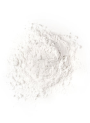
Vitamin C (L-ascorbic acid) (Ultra-Fine)
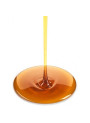
Vitamin E (dl-alpha tocopherol)
Glycerin (USP/Food Grade)
Polysorbate 20 (Tween 20)
Tea Tree Oil (Extra Grade, Terpinen‑4‑OL >43%, Australian)

Purified Water, TDS Limit 1PPM)