Cosmetic Formulation Adjustments: Cream Texture, Actives, and Mixing
Question
I am seeking feedback and guidance on adjusting two cosmetic formulas and adding new ingredients. I also have questions about percentage calculations and mixing procedures, particularly when converting to a cream texture.
General Questions:
- Is my method for calculating percentages correct (e.g., 3g in a 100g total formula = 3%)?
- Are the ingredients I plan to use generally compatible?
- For creating a cream using an emulsifier like Light Cream Maker, is it correct to add the cream maker as the very last ingredient after all other ingredients are mixed?
Formula 1 (Whitening and Anti-Aging):
- I want to add Tranexamic Acid at 3% and N-Acetyl Glucosamine at 4%. Are these additions suitable and compatible with other ingredients?
- If I change this formula to a cream using Light Cream Maker 2%, do I need to add an oil phase? What oil is suitable, and how much should I use?
- Do I need to add a preservative, and is Phenoxyethanol at 1% sufficient?
Formula 2 (Dry Skin and Dark Spot Treatment):
- This formula currently uses Xanthan Gum for gel texture. How much Xanthan Gum should I use for a suitable gel viscosity?
- I want to add Natural Moisturizing Amino Acids at 5% and Calendula Extract at 5%. Are these suitable for dry skin and dark spots?
- If I change this formula to a cream using Light Cream Maker 2%, do I need to add an oil phase?
- Do I need to add a preservative, and is Phenoxyethanol at 1% sufficient?
Adding REGU-AGE:
- I am considering adding REGU-AGE. Is it suitable for these formulas, or should it be used in a separate product?
Answer
Formulation Feedback and Adjustments
Hello! I understand you're looking for feedback and adjustments for your two cosmetic formulas. Here is a breakdown of your questions and suggestions:
General Questions about Percentages and Mixing
- Percentage Calculation: Your calculation of percentages is correct. If your total formula weight is 100g, then adding 3g of an ingredient results in a 3% concentration.
- Ingredient Compatibility: The ingredients you have listed are generally compatible and commonly used together in cosmetic formulations.
- Mixing Procedure for Creams: Regarding the mixing procedure, especially when aiming for a cream texture using an emulsifier like Light Cream Maker, it is not correct to add the cream maker as the very last ingredient after everything else is mixed. The mixing process for creams typically involves combining the oil phase (containing oil-soluble ingredients and the emulsifier) and the water phase (containing water-soluble ingredients) separately, heating them to appropriate temperatures, and then combining and mixing them to form an emulsion (cream). The specific steps can vary depending on the emulsifier, so it is crucial to check the detailed instructions provided on the product page for Light Cream Maker.
Formula 1: Whitening and Anti-Aging
- Adding Tranexamic Acid (3%): Adding Tranexamic Acid at 3% is a good addition for targeting dark spots and redness. It is compatible with the other ingredients in your formula.
- Adding N-Acetyl Glucosamine (4%): Adding N-Acetyl Glucosamine at 4% is highly recommended, as suggested by the staff. N-Acetyl Glucosamine works synergistically with Vitamin B3 (Niacinamide) to significantly improve skin brightening and reduce hyperpigmentation. Please note the correct spelling is N-Acetyl Glucosamine. You can find information and pricing on the website under the Whitening category.
- Changing to Cream Texture with Light Cream Maker: If you wish to make this formula a cream using Light Cream Maker 2%, you must include an oil phase in your formula. Light Cream Maker is an emulsifier that helps combine oil and water. Olive Oil is a suitable oil to include. The amount of oil needed will depend on the desired cream consistency and the specific Light Cream Maker product.
- Preservatives: Any formula containing water requires a preservative system to prevent microbial growth. You can choose between options like Phenoxyethanol. Please check the recommended usage rate on the product page for the specific preservative you choose; 1% may or may not be sufficient depending on the preservative and the overall formula composition.
Formula 2: Dry Skin and Dark Spot Treatment
- Xanthan Gum Usage: The amount of Xanthan Gum to use depends on the desired viscosity of your gel. Start with a low percentage within the recommended usage range on the product page for Xanthan Gum and gradually increase if you need a thicker gel.
- Adding Natural Moisturizing Amino Acids (5%) and Calendula Extract (5%): Adding Natural Moisturizing Amino Acids and Calendula Extract is beneficial. Natural Moisturizing Amino Acids help boost the skin's natural hydration, and Calendula Extract is known for its soothing and anti-inflammatory properties, making it suitable for dry and irritated skin.
- Changing to Cream Texture with Light Cream Maker: Similar to Formula 1, if you want to make this a cream using Light Cream Maker 2%, you must add an oil phase to the formula.
- Preservatives: This formula also requires a preservative. Consider options like Phenoxyethanol and verify the appropriate usage rate on the product page.
Adding REGU-AGE
- REGU-AGE is specifically designed to target wrinkles and dark circles around the eyes. Due to its targeted action and cost, it is highly recommended to create a separate formula specifically for the eye area if you wish to include REGU-AGE. Adding it to a face cream formula might not be as effective for the eye area concerns and could be less cost-efficient.
In summary, both formulas can be made into creams by adding an oil phase and using an emulsifier like Light Cream Maker, but the mixing procedure is crucial and requires following the specific instructions for the emulsifier. Preservatives are essential for both water-based formulas. REGU-AGE is best used in a dedicated eye product.
I hope this information is helpful! Feel free to ask if you have any more questions.
Related Products Mentioned
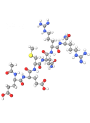
Acetyl Hexapeptide-8 (eq Argireline)
Pal-GHK, Pal-GQPR (eq Matrixyl 3000)
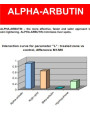
Alpha Arbutin (Switzerland)
Safe-B3™ (Vitamin B3, Niacinamide)
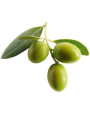
Olive Oil (Extra Virgin)
GlucoBright™ (Acetyl Glucosamine)

Calendula Extract (Water Soluble)
Light Cream Maker™
Phenoxyethanol (Extra Pure)
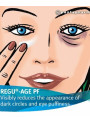
REGU®-AGE (CB)
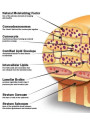
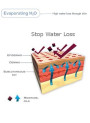
WaterLock™ (Polyquaternium-51)
Tranexamic Acid (Trans-White™)