Cosmetic Formulation Advice for Melasma, Wrinkles, Dry Skin, and Undereye Concerns
Question
I would like to inquire about formulations for two individuals:
Individual 1: Approximately 55 years old, with dry facial skin, widespread melasma for over ten years (due to hot water scald and strong sun exposure), and wrinkles.
I would like a formula that provides moisture and treats melasma first. It would be great if it could also help reduce wrinkles simultaneously.My proposed formula is:
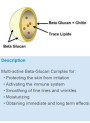
- beta glucan 5%
- delentigo 5%
- nanowhite 5%
- b3 2%
- glucosamine 4%
- aloe vera extract 3%
- pro polymer 1.5%
- allantoin 0.5%
- green tea extract 5%
- phenoxyethanol 0.5-1%
- edta 0.2%
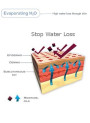
waterlock 2%
I want to know if using delentigo 5% + nanowhite 5% is more effective than using tranexamic acid 5%?
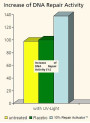
- Would adding repair activator 10% and bio-yeast extract 1% be too much?
- I want a single product that can be applied once to provide both moisture and reduce melasma.
- I read in a previous post that glycolic acid mixed with water should be used as a toner before applying treatment. Can I use lactic acid instead, as I have some leftover?
- Should I add or remove any ingredients?
- Previously, I used Vitamin C serum before applying a treatment according to the formula below. I used it for about 2-3 weeks. Initially, the Vitamin C made my face feel tight, but that feeling went away with continued use. However, when I used the treatment formula, my face felt stinging, so I stopped using it. I'm not sure if I included too many ingredients or if I had an allergic reaction.
The previous treatment formula was:
- hyaluronic acid(nano) 1%
- allantoin 0.5%
- green tea extract 5%
- b3 4%
- gotu kola extract 5%
- b5 5%
- kojic acid 3%
- hydrolyzed soy protein 5%
- glucosamine 4%
- phenoxyethanol 0.4%
- lactic acid
- triethanolamine
Individual 2: Approximately 22 years old, with dry skin, undereye wrinkles and dark circles, and acne marks on the face.
I would like a formula that helps reduce undereye wrinkles and dark circles and provides moisture.My proposed formula is:
- beta glucan 5%
- repair activator 10%
- bio-yeast essence 1%
- aloe vera extract 3%
- pro polymer 1.5%
- allantoin 0.5%
- phenoxyethanol 1%
edta 0.2%
Should I add or remove any ingredients?
- I am thinking of using this for the undereye area and specific wrinkle areas like smile lines and the forehead, or possibly using it on the entire face.
Thank you very much.
Answer
Formulation Advice
Here is some advice regarding your two cosmetic formulations:
Formulation 1 (Age ~55, Dry Skin, Melasma, Wrinkles)
Your proposed formula is a good starting point for addressing dry skin, melasma, and wrinkles. Let's break down your questions:
Delentigo 5% + Nanowhite 5% vs. Tranexamic Acid 5% for Melasma: Tranexamic Acid is a well-established ingredient with research supporting its efficacy in reducing melasma. Delentigo and Nanowhite are also used for skin brightening. The effectiveness can vary depending on the specific products and individual skin response. Tranexamic Acid (used at up to 3% in cosmetic formulations) is a strong option for targeting melasma.
Adding Repair Activator 10% and Bio-Yeast Extract 1%: Adding Repair Activator (Bifida Ferment Lysate) at 10% is within the recommended usage range and can help support skin barrier repair and provide anti-aging benefits. Bio-Yeast Extract (such as Saccharomyces Ferment Filtrate or Hydrolyzed Yeast Protein) at 1% is also within the typical range and can contribute to skin radiance and overall skin health. Including these ingredients can enhance the formula's anti-aging and skin-strengthening properties.
Single Product for Moisturizing and Melasma Reduction: Your proposed formula, with ingredients like Beta Glucan, Aloe Vera Extract, Glucosamine, Waterlock, and the anti-melasma agents, is designed to function as a single product addressing both hydration and melasma.
Lactic Acid vs. Glycolic Acid Toner: Both Glycolic Acid and Lactic Acid are Alpha Hydroxy Acids (AHAs) used for exfoliation. Lactic Acid is generally considered milder and also has moisturizing properties, which might be more suitable for dry skin compared to Glycolic Acid. Using a low concentration (e.g., 2-5%) as a pre-application step can help improve skin texture and penetration of subsequent products. Always start with a low concentration and monitor your skin's response.
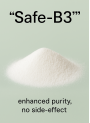
Should any ingredients be added or removed? Your current list includes good ingredients for hydration and melasma. You could consider increasing the concentration of Vitamin B3 (Niacinamide) up to 4-5% as it offers multiple benefits including anti-aging, barrier support, and helping with dark spots, and Safe-B3 allows usage up to 10% without flushing. Ensure the final pH of your formula is suitable for all active ingredients (typically between 4.0-7.0).
Previous Stinging Experience: The stinging you experienced with the previous formula could be due to the combination of active ingredients (Vitamin C, Kojic Acid, Vitamin B3, Lactic Acid) and your skin's condition (dryness, sensitivity). Kojic Acid and Lactic Acid can cause irritation, especially on dry or compromised skin. Vitamin C, particularly L-Ascorbic Acid, can also cause a tingling sensation, especially at lower pH levels. It's important to introduce new formulas gradually and perform a patch test first. The previous formula contained several potent actives which, in combination, might have been too irritating for your skin type, especially after using a Vitamin C serum which can lower skin pH.
Formulation 2 (Age ~22, Dry Skin, Undereye Wrinkles/Dark Circles, Acne Marks)
Your proposed formula provides good hydration and soothing benefits. To specifically target undereye wrinkles and dark circles, consider these points:
Should any ingredients be added or removed? To enhance the formula's effectiveness for undereye wrinkles and dark circles, you could add ingredients specifically known for these concerns, such as Pep-Eye (Acetyl Tetrapeptide-5), which targets puffiness and dark circles caused by poor microcirculation, or REGU-AGE, which also helps with dark circles, puffiness, and strengthens the delicate skin around the eyes. Your current ingredients are good for general skin health and hydration but less targeted for these specific eye area issues.
Application Area: The proposed formula is suitable for application under the eyes, on specific wrinkle areas like smile lines and the forehead, and can also be used on the entire face for overall hydration and repair. Adding eye-specific actives would make it particularly beneficial for the undereye area.
Remember to always perform patch tests when trying new formulations and adjust concentrations based on your skin's response.
Related Products Mentioned
Safe-B3™ (Vitamin B3, Niacinamide)

Allantoin
GlucoBright™ (Acetyl Glucosamine)
Triethanolamine 99%
Phenoxyethanol (Extra Pure)
Disodium EDTA

REGU®-AGE (CB)
Pro Polymer™ (Gel Maker)
WaterLock™ (Polyquaternium-51)
Hi-EGCG™ (Green Tea Extract)
Tranexamic Acid (Trans-White™)

Yeast Radiance™
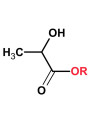
LipidSoft™ Lactic (C12-13 Alkyl Lactate)

Pep®-Eye (Acetyl Tetrapeptide-5)

Kojic Acid
Malic Acid (DL-Malic Acid)