Cosmetic Formulation Basics and Formula Suggestion for Acne-Prone, Dehydrated Skin
Question
I am new to cosmetic formulation and have several questions:
- When mixing, how should I perform the warming/heating process (e.g., using a water bath) to help dissolve ingredients like component B, as mentioned in some instructions? I need a detailed explanation.
- I'm confused about calculating ingredient percentages. For example, if a recipe calls for 3% of ingredient A, how is this calculated in terms of volume (ml), especially if the ingredient is a powder or a liquid? I have read the quantity guide but am still confused.
- For dissolving Hyaluronic Acid, the instructions mention using cold water. Is this plain water or a specific type of water?
- Some ingredients recommend refrigeration. Should all ingredients be stored in the refrigerator, or only specific ones, after purchasing?
- Regarding formulas posted on the website (e.g., the Skinceutical Vit C formula), does the store have every single ingredient listed in those formulas available for purchase?
- What types of containers are suitable for storing homemade cosmetic products?
- Currently, I have
AHA 70%and have been applying it directly to my face without dilution, like a leave-on treatment overnight. Will this cause problems? - I am very interested in a whitening formula, specifically for skin that is dry/dehydrated, oily, and prone to clogged pores/acne. I need a cream that provides significant hydration.
- My specific skin concerns are:
- Severe dehydration; my face feels tight even after applying coconut oil in the morning followed by sunscreen.
- Prone to clogged pores/acne, although this is less of an issue with thorough cleansing.
- Numerous acne marks, mostly red and dark spots.
- Some minor acne scars/uneven texture, not deep but noticeable up close.
- Dull complexion.
- Skin feels uneven/not smooth when viewed up close, although it looks smooth from a distance.
Could you please provide a formula suggestion addressing these issues? I would appreciate a detailed response as I am a complete beginner. I am willing to spend approximately 4000-5000 baht on ingredients. If the cost exceeds this, I might consider treatments like IPL, but I prefer making my own cream.
I would be grateful if you could suggest specific ingredients for the formula based on my problems, including their approximate prices if possible. If certain ingredients are used in multiple suggested formulas, that would be helpful for ordering.
Answer
Answers to Your Formulation Questions
Here are the answers to your questions regarding cosmetic formulation and your skin concerns:
1. Heating During Mixing
When a formula instructs you to heat ingredients (often referred to as "warming" or using a "water bath"), it's usually to help dissolve solid ingredients or to properly emulsify oil and water phases. The best way to do this is using a water bath (like a double boiler). Place the container with your ingredients into a larger container filled with warm water. This provides gentle, even heat, preventing scorching or overheating sensitive ingredients. Stir gently until the ingredients are dissolved or the mixture is uniform according to the recipe instructions. Avoid direct heat unless the recipe specifically instructs it and you have precise temperature control.
2. Understanding Percentage in Formulations
In cosmetic formulation, percentages (% ) usually refer to the percentage by weight of an ingredient in the total formula. For example, if a recipe calls for 3% of ingredient A in a 100-gram batch, you would use 3 grams of ingredient A and 97 grams of other ingredients (totaling 100 grams). This applies whether the ingredient is a powder or a liquid. Measuring by weight is more accurate than by volume (ml) for most ingredients, especially powders or viscous liquids, as density can vary. Always use a digital scale for accuracy.
3. Water for Dissolving Hyaluronic Acid
When dissolving Hyaluronic Acid powder, you should use clean, distilled or deionized water. Some types of Hyaluronic Acid, particularly higher molecular weight powders like Hyaluronic Acid (Standard Molecule), benefit from being added to cold or chilled water and left to hydrate slowly, often in the refrigerator, to form a smooth gel without clumping. Lower molecular weight types or pre-dispersed liquids like 4D Hyaluronic Acid can dissolve more easily at room temperature or with gentle stirring.
4. Ingredient Storage
Storage conditions depend entirely on the specific ingredient. Some ingredients, like certain vitamins (e.g., some forms of Vitamin C) or natural extracts, are sensitive to heat, light, or air and should be stored in a cool, dark place, often the refrigerator, in airtight containers. Others, like many oils or powders, can be stored at room temperature away from direct sunlight and humidity. Always check the storage recommendations provided for each individual ingredient.
5. Ingredient Availability for Specific Formulas
The store offers a wide range of high-quality cosmetic ingredients. While you can find many ingredients used in popular commercial formulas like those from Skinceutical, it's unlikely that every single ingredient in a specific brand-name formula will be available. Commercial formulas often contain proprietary blends or ingredients unique to that manufacturer. However, you can usually find ingredients with similar functions or create effective formulations using the available raw materials.
6. Containers for Homemade Products
For storing homemade cosmetic products, use clean, airtight containers. Glass or certain types of plastic (like PET or HDPE) are generally suitable. For ingredients sensitive to light (like some vitamins or antioxidants), use opaque or dark-colored containers. Ensure the containers are thoroughly cleaned and sanitized before use to prevent microbial contamination, which can spoil your product.
7. Using AHA 70% Pure
Using AHA 70% directly on your face without dilution is extremely dangerous and can cause severe chemical burns, irritation, redness, peeling, and long-term skin damage. AHA at such a high concentration is meant for professional use or requires significant dilution for safe application in cosmetic formulations (typically 5-15% for at-home use, depending on the specific AHA type and pH). You must stop using it undiluted immediately. If you have experienced severe redness, burning, or blistering, seek medical attention.
8 & 9. Formula for Your Skin Concerns (Dehydrated, Oily, Acne-Prgune, Marks, Uneven Texture)
Based on your skin description – dehydrated, oily, acne-prone with clogged pores, red/dark marks, and uneven texture – you need a routine that focuses on hydration, gentle exfoliation to address acne and texture, barrier repair, and brightening.
Using high-concentration AHA is not suitable. Instead, consider incorporating ingredients known for these benefits at appropriate concentrations.
Here is a suggested combination of ingredients you could use to create a serum or add to a base cream to address your concerns. This focuses on hydration, barrier support, gentle exfoliation, and brightening/anti-inflammatory effects.
Key Ingredients to Consider:
- Hyaluronic Acid (Standard Molecule) and Hyaluronic Acid (Super Low Molecule): Provides multi-level hydration, plumping the skin and reducing the feeling of tightness from dehydration. Use Standard Molecule for surface hydration and a slight gel texture, and Super Low Molecule for deeper penetration.
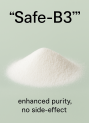
- Safe-B3™ (Vitamin B3, Niacinamide): A powerhouse ingredient for oily and acne-prone skin. It helps regulate oil production, reduces redness and inflammation associated with acne, improves skin barrier function (helping with dehydration), and fades dark spots and uneven tone.
- ActiveRelease™ Salicylic Acid (Water-Soluble BHA): A gentler form of Salicylic Acid that is water-soluble and releases slowly. It helps to unclog pores, reduce blackheads and whiteheads, and provides mild exfoliation to improve texture and reduce acne. This is a safer option than high-concentration pure Salicylic Acid for a beginner.
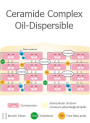
- Ceramide Complex or Ceramide 3: Essential lipids for the skin barrier. Adding ceramides helps repair the skin's natural moisture barrier, reducing dehydration and sensitivity, which is crucial for dehydrated and potentially compromised skin.
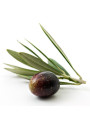
- Squalane (Olive): A lightweight, non-greasy oil that is very similar to skin's natural sebum. It provides excellent moisture without clogging pores and helps soften the skin.
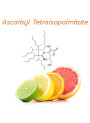
- Perfect-C™ (Ascorbyl Tetraisopalmitate) or Sodium Ascorbyl Phosphate (Vitamin C SAP): Stable forms of Vitamin C that can help fade red and dark marks and brighten overall skin tone. Perfect-C™ is oil-soluble and works well in emulsion bases, while SAP is water-soluble and requires a higher pH formula.
Example Serum Concept (Water-Based):
A simple hydrating and clarifying serum could include:
- Water (up to 100%)
- Hyaluronic Acid (Standard Molecule) (e.g., 0.1-0.3%)
- Hyaluronic Acid (Super Low Molecule) (e.g., 0.1-0.3%)
- Safe-B3™ (Vitamin B3, Niacinamide) (e.g., 5-10%)
- ActiveRelease™ Salicylic Acid (e.g., 2-5%, equivalent to 0.8-2% Salicylic Acid)
- Disodium EDTA (e.g., 0.1-0.2%)
- Mild Preserved™ COS (e.g., 0.5-1%)
This serum would help hydrate, control oil, treat acne and clogged pores, reduce redness and marks, and improve texture. You could follow this with a light moisturizer containing Ceramides and Squalane.
Alternatively, you could create a light lotion or cream using a Moist Cream Maker™ base and incorporate the water-soluble ingredients into the water phase and Squalane, Ceramide Complex/Ceramide 3, and Perfect-C™ into the oil phase.
Important Considerations:
- Start Low and Go Slow: When introducing new active ingredients, especially Niacinamide and Salicylic Acid, start with lower concentrations and less frequent use to see how your skin reacts. Gradually increase as tolerated.
- Patch Testing: Always perform a patch test on a small area of skin before applying a new product to your entire face.
- Sun Protection: Using ingredients that address marks and texture makes your skin more sensitive to the sun. Daily use of broad-spectrum sunscreen is absolutely essential to prevent further damage and darkening.
- Consistency is Key: Addressing multiple skin concerns takes time and consistent effort.
Regarding the cost, formulating yourself can be more cost-effective than buying high-end products, and a budget of 4000-5000 baht should allow you to purchase several key ingredients to start with, depending on the quantities you buy. You can purchase smaller sizes initially to try.
I strongly advise against using AHA 70% undiluted. Please prioritize gentle and safe formulations.
I hope this detailed explanation helps you understand the process and address your skin concerns safely and effectively.
Related Products Mentioned
Safe-B3™ (Vitamin B3, Niacinamide)
Squalane (Olive)
Salicylic Acid (BHA, Pharma Grade)