Cosmetic Formulation Guidance for Listed Ingredients
Question
I would like guidance on how to mix the following ingredients:
- Ferulic Acid - 0 กรัม
- L-Carnitine (Carnitine) - 0 กรัม
- Disodium EDTA - 0 กรัม
- Silicone Gel (Ultra Clear) - 0 กรัม
- Methylsulfonylmethane (Pure MSM™) - 0 กรัม
- Satin Cream Maker™ - 0 กรัม
- Zinc PCA - 0 กรัม
- Vitamin B6 (Pyridoxine Hydrochloride) - 0 กรัม
- สารสกัดนมผึ้ง 10-Hydroxydecanoic Acid (95% Purity) - 0 กรัม
- น้ำกลั่น ปราศจากเชื้อ - 0 กรัม
- Alpha Arbutin (China, Enzymatic Synthesis) - 0 กรัม
- Phenylethyl Resorcinol (eq. Sym-White™) - 0 กรัม
- Mild Preserved Eco™ (Preservative-Free) - 0 กรัม
- Ume Extract (Anti-Glycation) - 0 กรัม
- ClayThick Ready™ (Cream Stabilizer) - 0 กรัม
- Phospholipid - 0 กรัม
- SelectSorb™ (PMMA ดูดซับน้ำมัน) - 0 กรัม
- Sebum-Reg™ (Capryloyl Glycine) - 0 กรัม
- Dimethyl Isosorbide (DMI) - 0 กรัม
- Sodium Metabisulfite - 0 กรัม
Answer
Cosmetic Formulation Guidance
To provide you with specific instructions on how to mix your ingredients, I need the exact percentage or weight of each ingredient you plan to use. Cosmetic formulations require precise measurements and a specific order of adding ingredients based on their properties and compatibility.
However, I can give you information about each ingredient you listed, including its function and general mixing considerations. This will help you understand how to incorporate them into a formula once you have decided on your percentages.
Here is a summary of the ingredients and their key characteristics:
Ingredients and Their Roles
- Pure-Ferulic Acid™: A powerful antioxidant that protects against free radicals and helps prevent skin damage from UVB light. It is soluble in Ethoxydiglycol or ethanol but not in water. Typical usage is 0.5-1%.
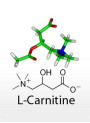
- L-Carnitine: Helps accelerate skin cell turnover, provides moisture, reduces facial oiliness by controlling sebum production, helps heal scars, and can reduce cellulite. It is water-soluble and should be mixed in the water phase. The optimal pH for L-Carnitine is 3.5-8, ideally 4-7. It absorbs moisture very easily, so keep the container tightly closed. Typical usage is 1-5%.
- Disodium EDTA: Acts as a chelating agent, preventing metal ions in water from interfering with the formula and improving stability. Mix it in the water phase before other ingredients. It is water-soluble and works in formulas with a pH between 3.0-9.0. Typical usage is 0.1-0.2%.
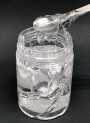
- Silicone Gel (Ultra Clear): Improves the texture of the product, making it soft, smooth, light, and non-sticky. It gives a matt look and increases spreadability. Mix it in the oil phase or emulsion. It is soluble in oil, silicone, and Isododecane. Can be used from 1-100%.
- Pure MSM™: Helps control oiliness, reduces sebum, and can exfoliate at higher concentrations (>3%). It aids in collagen synthesis. Mix it in the water phase. The formula pH should be between 3-7. Avoid using it with Vitamin C as it may accelerate Vitamin C oxidation. Typical usage is 1-5%.
- Satin Cream Maker™: A heat-free emulsifier and thickener suitable for oil-in-water emulsions with up to 25% oil. It creates a soft, smooth, pearl white cream and helps absorb bubbles. Disperse it in the water phase, then add the oil phase while mixing. It is electrolyte resistant and works over a wide pH range (3-12). Do not mix above 2500 rpm. Typical usage is 0.1-3.0%. It is dispersible in water but sensitive to moisture.
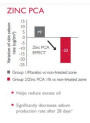
- Zinc PCA: Reduces skin oiliness, accelerates wound healing (like acne scars), stimulates collagen, helps with dandruff, and acts as a deodorant by controlling bacteria. Mix it in the water phase. It is heat resistant but avoid prolonged heating. It is highly soluble at pH 4-6 and stable between 3-7. Typical usage is 0.2-1.0%.
- Vitamin B6: Balances skin oiliness, tightens pores (on oily skin), and reduces inflammation. Mix it in the water phase, avoiding heat (above 40C) and light. It is stable at pH 2-6. It is an electrolyte and may soften gels or creams, requiring adjustment of thickener/cream maker. It is extremely sensitive to light and should be stored in a cool place (4-8C). Typical usage is 0.5-3.0%.
- Royal Jelly Extract (10-HDA): Reduces skin oiliness, controls facial oil, reduces acne, and has antibacterial properties. Dissolve it in the oil portion of the formula. It can withstand heat up to 70C to help it dissolve. The formula should have a pH in the range of 4-5.5 for maximum efficiency. Typical usage is 0.1-1%. Store in the refrigerator (5-8C).
- Alpha Arbutin: A water-soluble skin brightening agent that reduces melanin production. Add it in the final step when the formula temperature is below 30C. The formula pH should be between 3.5-6.5. Do not mix in formulas with a pH higher than 8 as it will break down into hydroquinone. Typical usage is 0.2-2%. Store in the refrigerator.
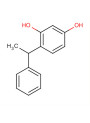
- Phenylethyl Resorcinol: A safe and effective skin brightening agent and antioxidant. Add it in the final step into a cream that contains an oil component. Can use heat up to 50C to help dissolve. The finished product should have a pH in the range of 4-5 for stability. Avoid certain ingredients like Carbomer, Carbopol, PEG-400, Amino Acids, Urea, or protein groups as they may cause issues. Typical usage is 0.1-1.0%. Soluble in oil. Store in the refrigerator (6-8C).
- Mild Preserved Eco™: A gentle, preservative-free ingredient that prevents microbial growth and acts as a humectant. Can withstand heat up to 80C for a short time (max 5 mins) and works in formulas with a pH of 4-9. Mix it in the last step after the gel or cream texture has formed. Typical usage is 0.5-2.0%. It can be dissolved/dispersed in various solvents.
- ClayThick™: A thickener and stabilizer for oil-in-water formulas, especially useful for cream-gels. It reduces stickiness and absorbs sebum. It must be dispersed in water using high shear mixing (Disperser or Homogenizer) for at least 10-15 minutes. It works over a wide pH range (2-13) but takes about 48 hours to reach full viscosity. Typical usage is 0.5-2%. It is dispersible in water but not soluble.
- SelectSorb™: A special PMMA powder that selectively absorbs excess skin oil without absorbing water. It helps adjust skin feel and reduce oiliness. Mix it in the final step by blending until dispersed. It can withstand heat. Typical usage is 1-5%. Requires an oil component in the formula to disperse.
- Sebum-Reg™ (Capryloyl Glycine): Reduces skin oiliness by inhibiting 5-alpha-reductase, helps control dandruff and acne bacteria, and acts as a deodorant. It is soluble in ethanol and water with a pH higher than 7. Dissolve it at pH > 7 (can heat to 70C), then adjust the final formula pH down to 4-6 for optimal function. Typical usage is 0.5-2%. Store in the refrigerator (5-8C).
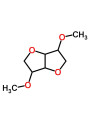
- Dimethyl Isosorbide (DMI): A penetration enhancer and solvent that helps carry ingredients into the skin. Can be mixed in various steps and withstands heat up to 80C. It can dissolve in water, glycols, alcohol, polysorbates, mineral oil, lanolin, and silicone oil. It has a slight ether smell. Typical usage is 1-10%.
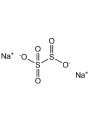
- Sodium Metabisulfite: An antioxidant used to maintain the quality of ingredients in the formula. Mix it in the water part of the recipe. Typical usage is 0.1-0.2%. It is soluble in water.
- Hydrogenated Lecithin: Used for encapsulating active ingredients (Phospholipid Encapsulation) to improve absorption, solubility, or stability. It is dispersed in oil. Store in a cool place.
Next Steps
Once you have determined the desired percentage or weight for each ingredient, please provide the full list with quantities. I can then provide more specific guidance on the mixing process, including the order of addition and any necessary heating or pH adjustments.
Related Products Mentioned
Pure-Ferulic Acid™
L-Carnitine (Carnitine)
Disodium EDTA
Silicone Gel (Ultra Clear, Super Silky)
Pure MSM™ (Methylsulfonylmethane)

Satin Cream Maker™
Zinc PCA
Vitamin B6 (Pyridoxine Hydrochloride)
Mild Preserved Eco™ (Preservative-Free)
SelectSorb™ (High Oil Absorption PMMA)

Sebum-Reg™ (Capryloyl Glycine)
Dimethyl Isosorbide (DMI)