Cosmetic Formulation: Ingredient Usage, Mixing, and Scar Treatment
Question
I am formulating a cosmetic product and have a few questions regarding ingredient usage and mixing.
- I am planning to use Shea Butter and calculated the amount based on a previous post using 100g, but I only need 50g for my batch. Is my calculation correct?
- When mixing water-soluble ingredients like Quercetin and N-acetyl glucosamine, should I use distilled water?
- Can cosmetic oils be used directly for body massage?
- Could you also provide guidance on mixing oil and water phases, the role of emulsifiers like Light Cream Maker, and the appropriate usage of ingredients like Cetrimonium Chloride (CTAC), Sea Kelp Extract, and Lactic Acid (AHA) 90% Deodorized in cosmetic formulations, especially for scar reduction?
Answer
Guide to Mixing Cosmetic Ingredients and Scar Reduction
Welcome to the world of cosmetic formulation! It's great that you're exploring making your own products. Let's go through your questions one by one.
General Mixing Principles
Ingredients can generally be divided into those that dissolve in water (water phase) and those that dissolve in oil (oil phase). To mix ingredients from both phases together to form a stable cream or lotion, you need an emulsifier like Light Cream Maker.
- Shea Butter (Ultra Soft): This is an oil-based ingredient. It mixes well with other oils but does not mix directly with water.
- Aloe Vera Extract (extraction ratio 10:1 FullAssay™): This is a water-soluble extract. It mixes well with water and other water-based ingredients.
- Sodium Lactate (60% Liquid, Natural): This is also a water-soluble ingredient. It mixes well with water and other water-based ingredients.
Therefore, you cannot simply mix Shea Butter with Aloe Vera Extract and Sodium Lactate directly without an emulsifier if you want them to stay mixed in a stable form like a cream or lotion. You would need to create an oil phase (Shea Butter, Safflower Seed Oil if using) and a water phase (Water, Aloe Vera Extract, Sodium Lactate, Acetyl Glucosamine, Quercetin if water-soluble type), then combine them using an emulsifier like Light Cream Maker.
Specific Ingredient Usage
Cetrimonium Chloride (CTAC): This ingredient is used in hair products to reduce static and make hair soft and manageable. It is not meant to be sprayed directly on hair as a standalone product. It must be formulated into a shampoo or conditioner at the recommended usage rate (0.5-2.0% for hair products).
Sea Kelp Extract: This extract is water-soluble and can be used in various skincare products like gels, serums, lotions, or creams. The product description indicates a usage rate of 1-10% (recommended 1-3% for skin). It can be applied to the face and body and can be used with a massage device. If used at a high rate, it might have a fishy smell.
Lactic Acid (AHA) 90% Deodorized: This is an Alpha Hydroxy Acid used for exfoliation and moisturizing. It is water-soluble. You can mix it with water, but it's crucial to follow the recommended usage rate (1-10%, not exceeding 10% for consumers) and ensure the final product pH is not lower than 3.5. Using AHA makes your skin more sensitive to the sun, so always use sun protection. You can apply a properly formulated Lactic Acid solution with a massage device, but pay close attention to your skin's reaction, especially as a beginner.
Scar Reduction and Your Proposed Formulation
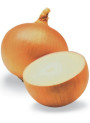
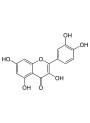
To reduce scars, especially on the legs, ingredients that promote skin cell turnover and help prevent excessive scarring are beneficial. Quercetin, particularly the Onion Extract type (Hi-Quercetin®), is known for its ability to help heal wounds and reduce the chance of new scarring, but it is less effective on existing scars. Acetyl Glucosamine (GlucoBright™) can help with skin brightening and improving skin texture, which might help the appearance of scars over time, especially when combined with Niacinamide (Vitamin B3).
Your proposed formulation idea using Shea Butter, Safflower Seed Oil, Quercetin, Acetyl Glucosamine, Light Cream Maker, Phenoxyethanol, and water is a good starting point for a moisturizing cream aimed at improving skin texture and potentially preventing new scars.
Mixing Order: The general principle for a cream using Light Cream Maker is to mix the oil-soluble ingredients (Shea Butter, Safflower Seed Oil) in one phase (often with gentle heating to melt butters), and the water-soluble ingredients (Water, Aloe Vera Extract, Sodium Lactate, Acetyl Glucosamine, Quercetin if using the water-soluble extract) in another phase. The Light Cream Maker is typically added to the oil phase, and then the water phase is slowly added to the oil phase while stirring, or vice versa, depending on the specific emulsifier instructions. Ingredients sensitive to heat or electrolytes (like Sodium Lactate, Aloe Vera Extract, and potentially Quercetin extract) should often be added in the final cooling phase or carefully incorporated as described in the Light Cream Maker instructions to avoid thinning the cream.
Water Type: Yes, using distilled water (น้ำกลั่น) is recommended for cosmetic formulations to ensure purity and avoid introducing minerals or contaminants that could affect stability or performance.
Quercetin Availability: I cannot provide information on product stock availability. Please check the website directly for current stock status.
Using Oils and Water Directly
Massage Oils: Yes, many pure cosmetic-grade oils like Safflower Seed Oil can be used directly on the skin for massage or moisturizing. Always check the product description for specific usage recommendations.
Mixing Single Ingredients with Water: Some water-soluble ingredients can be mixed with water for direct application (like Lactic Acid at appropriate concentrations and pH), but this depends entirely on the specific ingredient and its recommended usage. Always refer to the product description and recommended usage rates. Not all single ingredients are safe or effective to be mixed only with water and applied directly.
Shea Butter Direct Application: Yes, Shea Butter can be applied directly to the skin as a moisturizer. The product description for Shea Butter (Ultra Soft) states it can be used at 1-100% and applied directly.
Remember to always start with small batches, follow recommended usage rates, and perform patch tests when trying new formulations or ingredients, especially if you have sensitive skin.
Related Products Mentioned

Sea Kelp Extract
GlucoBright™ (Acetyl Glucosamine)
Light Cream Maker™
Sodium Lactate (60% Liquid, Natural)
Phenoxyethanol (Extra Pure)
Cetrimonium Chloride (CTAC)
Shea Butter (Ultra Soft)