Cosmetic Formulation: Mixing, Texture, Compatibility, and Stability
Question
I have two cosmetic formulas (ingredients and percentages provided) and would like to know the correct mixing procedure, if hand mixing is feasible, ingredient compatibility, and if any ingredients should be adjusted. For the second formula, I also want to know if removing the emulsifier can make it a liquid serum.
Answer
Formulation Feedback and Mixing Instructions
Here is a review of your two cosmetic formulas, including corrected mixing instructions, feasibility of hand mixing, and ingredient compatibility.
Formula 1
Mixing Method: Your proposed mixing steps need adjustment to account for the solubility and temperature sensitivity of the ingredients.
Corrected Mixing Steps for Formula 1:
- Water Phase (Heated): Combine water and the following heat-stable water-soluble ingredients: Niacinamide, Prebio-care, Glyceryl glucoside, Jojoba Ester (Water-Soluble), Acetamide MEA, and Dimethyl Isosorbide (DMI). Heat this phase to around 70-80°C.
- Oil Phase (Heated): Combine Ethoxydiglycol with the oil-soluble ingredients: Ezerwax™, Silybum Marianum Extract, Natural Bisabolol, Ethyl Linoleate, and Palmitamide MEA. Heat this phase to 70-80°C to ensure all ingredients are dissolved.
- Emulsification: Add Satin Cream Maker™ to the heated Water Phase and mix well until dispersed. Then, slowly add the heated Oil Phase to the Water Phase while mixing continuously with a mechanical mixer until a homogeneous cream is formed. Avoid high-speed mixing (>2500 rpm).
- Cooling and Adding Heat-Sensitive Ingredients: Allow the cream to cool down below 40°C. Once cooled, add the heat-sensitive water-soluble ingredients: Natural Moisturizing Amino Acids, Beta Glucan, Ectoin, MOIST72™, Licorice Extract (Licochalcone A), Dipotassium Glycyrrhizate, Trehalose, L-Carnosine, Scutellaria Baicalensis root, and Oat Avenanthramides. Mix gently until fully incorporated.
- Adding Dispersible Ingredient: Add Centella Asiatica Extract (TECA95%) and blend to disperse it evenly throughout the cream. Do not heat.
- Adding Preservative: Add Mild Preserve Eco™ in the final step and mix until fully incorporated.
Feasibility of Hand Mixing (Formula 1):
Achieving a stable and smooth cream texture with this formula, especially with ingredients requiring heat for dissolution and the use of Satin Cream Maker, will be very difficult with hand mixing alone. A mechanical mixer is highly recommended for proper emulsification and homogeneity.
Ingredient Compatibility (Formula 1):
Most ingredients are compatible. However, Dipotassium Glycyrrhizate and Oat Avenanthramides can cause discoloration. It is recommended to add ActiveProtec™ OX at 1% to help prevent this.
Formula 2
Mixing Method: Your proposed mixing steps for Formula 2 also need adjustment.
Corrected Mixing Steps for Formula 2:
- Water Phase (Heated): Combine water with the following heat-stable water-soluble ingredients: Niacinamide, Betaine, GlucoBright™, Dimethyl Isosorbide (DMI), Calcium Pantothenate, Poly-Protect, 4MSK, and ActiveProtec™ OX. Heat this phase to around 70-80°C.
- Glycol/Oil Phase (Heated): Combine Ethoxydiglycol with the ingredients that need dissolving in glycol/oil: TXC™ (Cetyl Tranexamate HCl), MSH White™ (Undecylenoyl phenylalanine), and WhiteCumin™ powder. Heat this phase to 60-80°C to dissolve the ingredients.
- Emulsification: Add Satin Cream Maker™ to the heated Water Phase and mix well until dispersed. Then, slowly add the heated Glycol/Oil Phase to the Water Phase while mixing continuously with a mechanical mixer until a homogeneous cream is formed. Avoid high-speed mixing (>2500 rpm).
- Cooling and Adding Heat-Sensitive Ingredients: Allow the cream to cool down below 40°C. Once cooled, add the heat-sensitive water-soluble ingredients: Ume Extract, Alpha-Arbutin, Licorice Extract (Glabridin 4.5%), and EGT-Max™. Mix gently until fully incorporated.
- Adding Preservative: Add Mild Preserved Eco™ in the final step and mix until fully incorporated.
Feasibility of Hand Mixing (Formula 2):
Similar to Formula 1, achieving a stable and smooth cream emulsion will be difficult with hand mixing alone. A mechanical mixer is highly recommended.
Ingredient Compatibility (Formula 2):
Ingredients are generally compatible. The pH should ideally be maintained between 3.5 and 7.0 for optimal efficacy and stability of the whitening ingredients. 4MSK and ActiveProtec™ OX are electrolytes and may affect the viscosity.
Regarding making Formula 2 a liquid:
Satin Cream Maker™ is the emulsifier and thickener that creates the cream texture. Removing it will cause the water and oil/glycol phases to separate, resulting in an unstable and non-homogeneous product. To create a stable liquid product (like a serum or toner), you would need to significantly reformulate the product, potentially focusing on a purely water-based system or using a different emulsification or solubilization method suitable for a liquid consistency.
Related Products Mentioned
Alpha Arbutin (Switzerland)
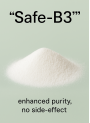
Safe-B3™ (Vitamin B3, Niacinamide)
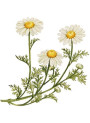
Natural Bisabolol (Brazil Chamomile)
GlucoBright™ (Acetyl Glucosamine)
Ethoxydiglycol (e.q. Transcutol)
Natural Betaine (Crystal)
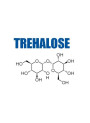
TreMoisture™ (Trehalose)
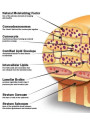
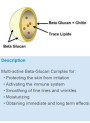

Satin Cream Maker™

MOIST72™
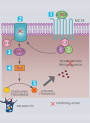
MSH White™ (Undecylenoyl phenylalanine)
Mild Preserved Eco™ (Preservative-Free)
Ume Extract (Anti-Glycation)
Palmitamide MEA

LipidSoft™ F (Ethyl Linoleate)
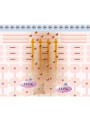
4MSK (Potassium Methoxysalicylate)
Ectoine (Ectoin, from Bio-fermentation)
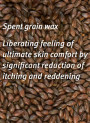
Ezerwax™
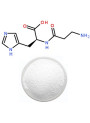
L-Carnosine
Poly-Protect (Hydrolyzed Sclerotium Gum)
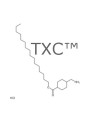
TXC™ (Cetyl Tranexamate HCl)
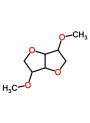
Dimethyl Isosorbide (DMI)
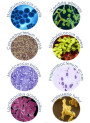
Prebio-care (Skin Prebiotic)
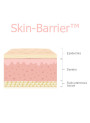
ActiveProtec™ OX
EGT-Max™ (Ergothioneine)