Cosmetic Formulation Q&A: Mixing, Ingredients, Stability, and Equipment
Question
I have several questions regarding cosmetic formulation:
- When mixing cream with a Dissolve/Disperse head using a drill with a maximum speed of 3000 RPM, can I use the same speed for both highly viscous and less viscous creams? (I usually set the speed to about 40% of the total speed).
- When mixing highly viscous cream, I noticed the top part rotates slowly or very slowly. Will the ingredients in the upper part mix well? Do I need to use a spoon to help stir?
- What is the most suitable container for mixing cream? I used a glass jar before, but the Dissolve/Disperse head hit it, leaving scratches on the jar. I'm worried about glass fragments mixing into the cream.
- Can the scales sold by the company be set not to turn off automatically? Sometimes I need time to weigh ingredients, and when it turns off, I lose track of how much I've weighed.
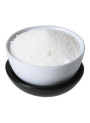
- Do you have any techniques for mixing Pro Polymer with a Dissolve/Disperse head to avoid small air bubbles throughout the formula? I recently mixed it by gradually sprinkling the Pro Polymer powder into the water part while mixing. I'm wondering if pre-mixing it by hand to form a preliminary gel before using the high-shear mixer would help with air bubbles.
- Can the thickening agents for cream and lotion be the same? I want a texture similar to Vaseline lotion for a physical sunscreen SPF40/PA+++ using Titanium Dioxide 15nm Liquid 25% + Zinc Oxide 200nm 10%. The ingredients list for Vaseline lotion is: Water (aqua), Glycerin, Stearic Acid, Isopropyl Myristate, Mineral Oil, Glyceryl Stearate, Glycol Stearate, Dimethicone, Peg-100 Stearate, Petrolatum, Cetyl Alcohol, Tapioca Starch, Phenoxyethanol, Magnesium Aluminum Silicate, Methylparaben, Acrylates/c10-30 Alkyl Acrylate Crosspolymer, Fragrance (parfum), Propylparaben, Disodium EDTA, Xanthan Gum, Stearamide Amp, Dihydroxypropyltrimonium Chloride, Hydroxyethyl Urea, Aloe Barbadensis Leaf Juice Powder, Titanium Dioxide (ci 77891).
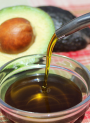
Which thickening agents should I use, and at what percentages? - What color is Avocado Oil (Refined)? Will adding it to cream change the cream's color? The properties mention Potassium; does this mean it's an electrolyte?
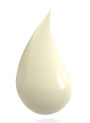
- I stored Light Cream Maker for one month and noticed it separated into a white layer at the bottom and clear liquid on top. Is this normal? The lot number is 26I38S, purchased on March 12, 2017.
- Regarding a serum made with Glycolic Acid 100% Powder and Silky Serum Base Plus, packaged in a clear (not opaque) pump bottle: Will it degrade quickly? Should it be stored in the refrigerator?
Answer
Answers to Your Formulation Questions
Here are the answers to your questions regarding cosmetic formulation, mixing, ingredients, and storage:
1. Mixing Speed for Different Viscosities
According to the staff, the viscosity of your cream (thick or thin) does not dictate the mixing speed when using a Dissolve/Disperse head with a drill up to 3000 RPM. The appropriate speed depends on the specific type of cream maker or gel maker you are using. For example, when using Pro Polymer, the recommended mixing speed is around 500-1500 RPM, regardless of whether you use 1% or 0.5% in your formula.
2. Mixing Thick Creams with Slow Top Movement
If the top layer of your thick cream is moving slowly during mixing, it indicates that the motor power of your drill is insufficient for the viscosity of the mixture. This means the ingredients, especially in the upper part, are likely not mixing well. Simply using a spoon to assist is not sufficient to ensure proper homogeneity throughout the batch.
3. Suitable Container for Mixing
Using a glass jar is not recommended for mixing with a Dissolve/Disperse head due to the risk of the head hitting the glass and potentially introducing glass fragments into your product, as you observed. The most suitable container is a thick stainless steel pot, specifically made from SUS304 grade steel.
4. Disabling Auto-Off on Scales
The ability to disable the auto-off feature on a scale depends on the model. Smaller, battery-powered scales typically do not have this option. However, larger laboratory-grade scales usually allow you to configure this setting.
5. Mixing Pro Polymer to Avoid Bubbles
To minimize small air bubbles when mixing Pro Polymer with a Dissolve/Disperse head, the key is to reduce the mixing speed. Excessive bubbles are a sign that the mixing is too vigorous. While pre-mixing the powder with water by hand before using the high-shear mixer might help slightly, the primary recommendation from the staff is to lower the speed of the Dissolve/Disperse mixer itself. The product description for Pro Polymer also advises against blending above 2500 RPM as it can damage the polymer structure and weaken the formula.
6. Thickeners for Cream vs. Lotion and Vaseline-like Sunscreen
Yes, the same types of thickeners or emulsifiers can often be used for both creams and lotions. The difference in consistency is achieved by adjusting the concentration of these ingredients. For a physical sunscreen with a texture similar to Vaseline lotion, which typically uses a hot-process emulsification, the staff recommends using hot-process emulsifiers. Suitable options include Butter Cream Maker, Soft Cream Maker, or Milk Lotion Maker, used in combination with Glyceryl Stearate SE / Glyceryl Monostearate SE. You would adjust the percentage of these ingredients based on the desired thickness of your final lotion.
7. Avocado Oil (Refined) Color and Potassium
Refined Avocado Oil is yellow. Adding it to your cream will indeed affect the color of the cream, with the intensity of the color change depending on the amount of oil used. The product description for Avocado Oil (Refined) mentions it contains potassium, but it does not explicitly state whether this makes it an electrolyte in the context of formulation stability. However, the description for Light Cream Maker notes that electrolytes are substances containing Sodium, Magnesium, Calcium, or Potassium, and that formulations with electrolytes may require a higher concentration of the cream maker or special mixing steps to maintain viscosity.
8. Light Cream Maker Separation
Yes, it is normal for Light Cream Maker to separate over time into a white layer at the bottom and a clear liquid layer on top. This does not affect its performance. Simply shake the container well before use to re-disperse the components.
9. Glycolic Acid Serum Stability in Clear Bottle and Storage
Storing a Glycolic Acid serum made with Silky Serum Base Plus in a clear bottle that is exposed to light can potentially lead to faster degradation of the ingredients due to UV exposure compared to storage in an opaque container. While the exact rate of degradation varies depending on many factors, it is generally recommended to protect light-sensitive ingredients and finished products from light. For general storage guidelines for ingredients and finished formulas, you can refer to the information provided by the company.
Related Products Mentioned
Avocado Oil (Refined)
Light Cream Maker™
Pro Polymer™ (Gel Maker)

Zinc Oxide 200nm EasyDisperse™
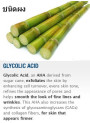
Glycopure™ (Glycolic Acid (AHA) Powder)
Soft Cream Maker™
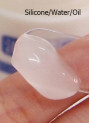
Silky Serum Base Plus (Face/Eye, Oil)
Titanium Dioxide 15nm Liquid (Gloss)

Milk Lotion Maker™