Cosmetic Formulation Questions: Night Exfoliating Gel & Day Whitening Sunscreen Cream
Question
I am developing two cosmetic formulas: a night exfoliating gel and a day whitening cream with sun protection, aiming for brighter, moisturized skin, addressing dryness and signs of aging.
Here are my proposed formulas:
Night Exfoliating Gel
- Trans White (Tranexamic Acid) 3%
- Papaya Enzyme 1%
- Protease Enzyme 0.5%
- Pro Polymer 1%
- Preservative 1%
- Water (remainder)
My questions regarding this formula are:
- Can all ingredients be mixed together? Should any ingredients or percentages be adjusted?
- Will the resulting texture be soft, smooth, and comfortable on the skin?
- Can Protease Enzyme be mixed directly into the formula, or must it be mixed just before application?
Day Whitening Cream
- MSH White 5%
- Grape Seed Oil 20%
- B3 (Niacinamide) 4%
- NAG (Acetyl Glucosamine) 4%
- Titanium Dioxide 4%
- Matte Silica 5%
- Satin Cream Maker (percentage not specified)
- Preservative 1%
- Water (remainder)
My questions regarding this formula are:
- Can all ingredients be mixed together? Should any ingredients or percentages be adjusted?
- Will the resulting texture be soft, smooth, and comfortable on the skin?
I am also considering the staff's recommended formulas for Sunscreen (SPF50 PA+++) and Body Cream for Dry Skin, which were mentioned as having different textures (sunscreen easy to spread, body cream heavier). My questions are specifically about my proposed formulas and their potential issues.
Answer
Body Cream Formulation Advice
You've proposed two formulas: a night gel for exfoliation and a day whitening cream with sun protection, aiming for brighter, moisturized skin, especially addressing dryness and signs of aging. Let's look at each formula and your questions.
Night Exfoliating Gel
Your proposed formula:
- Trans White (Tranexamic Acid) 3%
- Papaya Enzyme 1%
- Protease Enzyme 0.5%
- Pro Polymer 1%
- Preservative 1%
- Water (remainder)
1. Can all ingredients be mixed? Should any be adjusted?
The ingredients themselves are generally compatible in terms of function (whitening, exfoliation, gelling, preservation). However, the key consideration for this formula is the stability and usage of the enzymes (Papaya Enzyme and Protease Enzyme).
- Enzyme Stability: Papaya Enzyme (ID 1036) and Protease Enzyme (ID 1017) are most effective when activated by water, but their activity decreases over time once dissolved in water. The product descriptions for both enzymes indicate that they should ideally be mixed into a formula that does not contain water and then mixed with water just before application to ensure maximum efficacy. Your current formula is water-based. Mixing the enzymes directly into this gel will likely cause them to lose their exfoliating power relatively quickly, reducing the product's shelf life and effectiveness for exfoliation.
- Adjustments: To effectively use the enzymes for exfoliation, you should consider formulating this as a powder product that the user mixes with water just before applying, or using stabilized forms of these enzymes if available. If you keep it as a ready-to-use gel, the exfoliating effect from the enzymes will diminish significantly over time.
2. Will the texture be soft, smooth, and comfortable on the skin?
With 1% Pro Polymer (ID 234), you will get a gel texture. Pro Polymer is known to create a gel texture that can feel slightly sticky initially but dries to a thin coating. The overall feel will depend on the quality of the Pro Polymer and the mixing process. It should be relatively smooth, but the "comfort" level is subjective and depends on how the user perceives the slight initial tackiness of the polymer gel. It will likely feel lighter than a cream.
3. Can Protease Enzyme be mixed directly into the formula, or must it be mixed just before application?
Based on the product information for Protease Enzyme (ID 1017) (and Papaya Enzyme (ID 1036)), it is strongly recommended to mix the enzyme powder with water just before application. Mixing it directly into a water-based formula like your proposed gel will cause the enzyme to activate and then degrade, losing its effectiveness over the product's shelf life. For a ready-to-use product, you would need to use a formulation method that keeps the enzyme separate from water until use (like a powder) or use a stabilized version if available.
Day Whitening Cream
Your proposed formula:
- MSH White 5%
- Grape Seed Oil 20%
- B3 (Niacinamide) 4%
- NAG (Acetyl Glucosamine) 4%
- Titanium Dioxide 4%
- Matte Silica 5%
- Satin Cream Maker (percentage not specified)
- Preservative 1%
- Water (remainder)
1. Can all ingredients be mixed? Should any be adjusted?
The ingredients are generally compatible, but the percentages and the choice of emulsifier (Satin Cream Maker (ID 247)) in combination with the high oil phase and powders might present challenges for texture and stability.
- MSH White (ID 699): This is oil-soluble and needs heat to dissolve. It should be mixed into the oil phase.
- Grape Seed Oil (ID 120) (20%): This is a high percentage of oil for a general cream, especially if you are aiming for a non-greasy feel. While Grape Seed Oil is relatively light, 20% is substantial.
- B3 (Niacinamide) (ID 74) and NAG (Acetyl Glucosamine) (ID 116): These are water-soluble whitening and skin-benefiting ingredients. They work well together.
- Titanium Dioxide (ID 236) (4%): This provides physical sun protection and some whitening/brightening effect. However, 4% Titanium Dioxide alone is unlikely to provide SPF50 PA+++. Achieving high SPF typically requires higher concentrations of UV filters (physical or chemical) and specific formulation techniques.
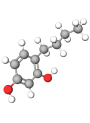
- Matte Silica (ID 518) (5%): This is used for oil absorption and a matte finish, which can help counteract the oiliness from the Grape Seed Oil.
- Satin Cream Maker (ID 247): This is a water-phase emulsifier that can handle up to 25% oil. With 20% Grape Seed Oil plus the powders (Titanium Dioxide, Matte Silica), you are close to its maximum oil load. While it might emulsify, the texture could be heavy or potentially unstable over time, especially if not mixed properly.
Adjustments:
- If a lighter, non-greasy texture is a priority, you might consider reducing the percentage of Grape Seed Oil or using a lighter emollient (like LipidSoft Dry (ID 391)).
- If high SPF is required, this formula is not sufficient. You would need a dedicated sunscreen formula with appropriate UV filters at higher concentrations, such as the one recommended by the staff using SPF Protect Ultra II (ID 1048).
- Ensure proper mixing, especially dispersing the MSH White in the heated oil phase and the powders (Titanium Dioxide, Matte Silica) before combining with the water phase containing the water-soluble ingredients and Satin Cream Maker.
2. Will the texture be soft, smooth, and comfortable on the skin?
With 20% Grape Seed Oil (ID 120), 5% Matte Silica (ID 518), and 4% Titanium Dioxide (ID 236), the texture of this cream is likely to be on the heavier side compared to a light lotion or gel. The Matte Silica will help absorb some oiliness and provide a smoother feel, but the overall richness will come from the oil and powders. It might not feel as light and non-greasy as you might hope, especially if you prefer a very light texture. The staff's feedback on their recommended formula for dry skin also suggests that formulas designed for significant moisturization might be heavier.
Staff Recommended Formulas
The staff provided two helpful formulas:
Sunscreen Formula (SPF50 PA+++):
- Oil Phase:
- MSH White Absorb (MSH White) (ID 699) 5%
- SPF Protect Ultra II (ID 1048) 20%
- LipidSoft (ID 391) 10%
- Milk Lotion Maker (ID 1040) 4%
- Water Phase:
- B3 (Safe-B3) (ID 74) 2%
- GlucoBright (NAG) (ID 116) 2%
- Satin Cream Maker (ID 247) (percentage not specified, typically 0.7-1.5%)
- Preservative (ID 1001) 1%
- Water (remainder)
This formula is specifically designed to provide high SPF protection using SPF Protect Ultra II (ID 1048) and includes whitening ingredients (MSH White (ID 699), B3 (ID 74), GlucoBright (ID 116)) and emollients (LipidSoft (ID 391)). The staff mentioned this formula is easy to spread and not sticky.
Body Cream Formula for Dry Skin:
- Oil Phase:
- Butter Cream Maker (ID 1041) 3%
- Shea Butter (ID 117) 15%
- Tribehenin (ID 1081) 1%
- Palmitamide MEA (ID 1123) 1%
- Activated Resorcinol (ID 493) 1%
- Water Phase:
- Vitamin B5 (ID 111) 3%
- Safe-B3 (ID 74) 5%
- MOIST24 (ID 1053) 4%
- Sodium Lactate (ID 145) 15%
- Water (52% with Phenoxyethanol (ID 155) 1%)
This formula is richer, specifically targeting dry skin with high levels of Shea Butter (ID 117), Tribehenin (ID 1081), Sodium Lactate (ID 145), and MOIST24 (ID 1053) for intense moisturization and skin barrier support. It also includes effective whitening agents (Activated Resorcinol (ID 493), Safe-B3 (ID 74)) and an anti-inflammatory (Palmitamide MEA (ID 1123)). The staff noted this formula would be heavier and potentially harder to spread than the sunscreen, but suitable for very dry skin.
Texture of Recommended Formulas
As the staff mentioned:
- The recommended Sunscreen Formula is designed to be easy to spread and not sticky.
- The recommended Body Cream Formula for Dry Skin will have a heavier texture and might be harder to spread than the sunscreen, but this richness is beneficial for very dry skin and helps provide a protective layer.
In summary, your proposed formulas are a good starting point, but the night gel's enzyme stability in a water base needs careful consideration, and the day cream's texture might be heavier than desired due to the oil content and emulsifier choice, especially if you are aiming for a very light feel. The staff's recommended formulas offer well-balanced options for high SPF sunscreen and a rich body cream for dry skin with whitening benefits.
I hope this detailed advice helps you refine your formulations!
Related Products Mentioned
Safe-B3™ (Vitamin B3, Niacinamide)
GlucoBright™ (Acetyl Glucosamine)
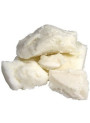
Shea Butter (Refined , Deodorised)
Sodium Lactate (60% Liquid, Natural)
Phenoxyethanol (Extra Pure)
Pro Polymer™ (Gel Maker)

Satin Cream Maker™
MatteSilica 5™ (5 Micron)
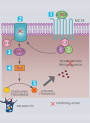
MSH White™ (Undecylenoyl phenylalanine)
Mild Preserved Eco™ (Preservative-Free)
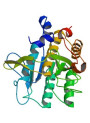
Protease Enzyme

Papaya Enzyme (Papain)
Milk Lotion Maker™
Butter Cream Maker™
SPF Protect Ultra™ II
MOIST24
Tribehenin (Soft Wax, USA)
Palmitamide MEA