Cosmetic Formulation: Texture, Whitening, and Ingredient Compatibility
Asked by: hiphop5142
On: January 04, 2014
Product Type:
Cosmetics
Answered
Question
I have questions about adjusting my cosmetic formulas, specifically regarding ingredient compatibility, texture, and enhancing whitening effects.
- Formula 1 (Proposed Water/Silicone): I'm considering a formula with
vit B3 4 %,NAG 4 %,ซิลิโคนเจล 15 %,Cyclomethicone 15 %,Light Cream Maker 1%, and the restน้ำกลั่น. Is this formula usable, especially regarding the texture with a high water content andLight Cream Maker? - Formula 2 (BHA Base): I added Vitamin B3 (Niacinamide) to my BHA formula. Does this make the formula worse? I'm keeping the pH around 4. Is this pH suitable for dissolving clogged pores, or should it be lower (e.g., 3.5) for better exfoliation?
- Formula 3 (Vitamin C Base): I added
Silicone GelandCyclomethiconeto my Vitamin C (L-Ascorbic Acid + Glutathione) formula to improve texture. Does this affect the efficacy of L-Ascorbic Acid or Glutathione? My formula hasn't yellowed yet; is this a good sign? - Formula 4 (AHA Base): Can I add
Silicone GelandCyclomethiconeto my AHA formula to improve texture? What are the challenges of combining high water and high silicone content withLight Cream Maker? WouldWarp Cream Makerbe a better alternative? - Whitening Efficacy: I've been using the Vitamin C and AHA formulas for about two months on my arms, but haven't seen significant whitening results. How long does it typically take to see results from Vitamin B3 + N-Acetyl Glucosamine and other whitening agents?
- Further Whitening: How can I further enhance the whitening effect of my formulas using ingredients like Alpha Arbutin, ChromaWhite™, or AEPWhite™?
- Oil Control: What are effective ingredients for oil control, and how should I incorporate them?
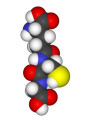
- Ingredient Compatibility: Are there specific ingredients that should not be mixed, like Vitamin C (L-Ascorbic Acid) and Pure MSM™? What is the role of Glutathione in stabilizing L-Ascorbic Acid?
Answer
Formula Adjustments and Ingredient Functionality
- Adjusting the BHA Formula and Adding Ingredients: Adding Vitamin B3 (Niacinamide) to your BHA formula is generally beneficial and does not make the formula worse. Vitamin B3 offers multiple skin benefits, including reducing inflammation, improving hyperpigmentation, strengthening the skin barrier, and controlling oiliness, which are all helpful for acne-prone skin. While the original store formula might have omitted it for simplicity or to avoid potential pH issues with other ingredients, Vitamin B3 works well at a pH of around 4, which is where your current formula is.
- Maintaining BHA pH: Keeping the pH lower (e.g., 3.5) primarily boosts BHA's exfoliation power. However, for dissolving clogged pores, a pH of around 4 is still quite effective. Since your main goal for this formula is clog dissolution, pH 4 remains suitable. The original formula likely didn't recommend a lower pH to prioritize clog dissolving and potentially reduce irritation, as very low pH is more critical for strong exfoliation. Your current pH of 4 is appropriate for your stated goal.
Adding Silicones to Formulas
- Impact of Silicone Gel + Cyclomethicone in Vitamin C Formula: Adding Silicone Gel and Cyclomethicone to improve the texture and feel of your Vitamin C formula does not negatively affect the efficacy of active ingredients like L-Ascorbic Acid or Glutathione. They act as texture enhancers and carriers. The primary concern with L-Ascorbic Acid is its stability over time, which can degrade and yellow, especially with exposure to light, air, or heat. The fact that your formula hasn't yellowed is a good sign of its current stability.
- Suitability of Adding Silicones to AHA Formula: You can consider adding Silicone Gel and Cyclomethicone to your AHA formula to improve its texture. However, as the Staff mentioned, combining a high water content with high silicone content and using Light Cream Maker can be challenging. Light Cream Maker is primarily for Oil-in-Water emulsions and may not be ideal for formulas with a large silicone phase. For a smooth, dry feel typical of Water-in-Silicone emulsions, you might need to use an emulsifier like Warp Cream Maker, which is designed for this system, or adjust the water/silicone ratio significantly if using Light Cream Maker. Testing in a small batch is highly recommended.
Enhancing Whitening Efficacy
- Whitening Results and Timeframe: Two months of using your Vitamin C and AHA formulas might be a bit short for dramatic whitening results, especially on the arms. Skin cell turnover takes time (around 28 days), and consistent action on melanin production is needed. More noticeable results often appear after several skin cycles. The combination of Vitamin B3 and N-Acetyl Glucosamine (NAG) is effective for brightening and reducing dark spots, with results typically becoming visible within one to two skin cycles (1-2 months), but more significant changes may take longer.
Additional Recommendations and Using Existing Ingredients
- Based on the ingredients you have and those discussed, you have several potent actives that can be combined for various skin goals:
- BHA Formula (for acne and oil control): Your current formula is a solid base. Adding NAG to this BHA formula (at around pH 4) is a good approach to add brightening benefits.
- Whitening/Spot Reduction Formulas: You can continue using your Vitamin C (L-Ascorbic Acid) + Glutathione formula and your AHA (Lactic Acid) + Vitamin B3 + NAG formula. This combination helps with exfoliation, reducing marks, and overall brightening.
- Boosting Whitening: To enhance whitening further, consider adding Alpha Arbutin to your B3 + NAG formula, as they work well together. Other highly effective options include ChromaWhite™ (oil-soluble) and AEPWhite™ (water-soluble).
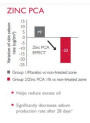
- Additional Oil Control: If needed, consider creating a separate formula with ingredients like Pure MSM™ or Zinc PCA, which are effective for oil control, or Licorice Extract for anti-inflammatory and oil control benefits. (Be mindful of pH compatibility if combining with other actives).
- Formulation Tips: Always check ingredient compatibility and optimal pH ranges. Formulating with high silicones and water using Light Cream Maker can be tricky; consider Warp Cream Maker or adjusting ratios, and always test in small batches. Vitamin C (L-Ascorbic Acid) should not be mixed with Pure MSM™ in the same formula. Glutathione can help stabilize L-Ascorbic Acid at a 1:10 ratio.
Related Products Mentioned
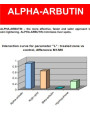
Alpha Arbutin (Switzerland)
Cosmetics
Safe-B3™ (Vitamin B3, Niacinamide)
Cosmetics
GlucoBright™ (Acetyl Glucosamine)
Cosmetics
Vitamin C (L-ascorbic acid) (Ultra-Fine)
Cosmetics
Propylene Glycol (USP)
Cosmetics
Light Cream Maker™
Cosmetics
Salicylic Acid (BHA, Pharma Grade)
Cosmetics
L-Carnitine (Carnitine)
Cosmetics
Polysorbate 20 (Tween 20)
Cosmetics
Silicone Gel (Ultra Clear, Super Silky)
Cosmetics
Pure MSM™ (Methylsulfonylmethane)
Cosmetics

Glutathione (L-Glutathione) (Extrasol)
Cosmetics
Zinc PCA
Cosmetics
Warp Cream Maker™ (e.q. Nikkomulese wo)
Cosmetics
Lactic Acid (AHA) 90%
Cosmetics