Cosmetic Formulation with Provided Ingredients
Question
Can these ingredients be used to formulate a cosmetic product? What are their roles and how should they be handled?
- aloe barbadensis leaf juice
- PEG-60 Almond Glycerides Water (Aqua)
- Sorbitol
- PEF-150 Distearate
- Benzyl Alcohol
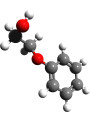
- Phenoxyethanol
- Polysorbate 20
- Lavendula Angustifolia (Lavender) Oil
- Panthenol
- Disodium EDTA
- Citric Acid
- Sodium Citrate
- Vilis Vinfera (Grape) Seed Extract
- Camellia Sinensis Leaf Extract
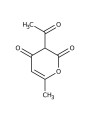
- Dehydroacetic Acid
- Ormenis Multicaulis Oil
- Carum Petroselinum (Parsley) Seed Oil
- Linalool
- d-limonene
Answer
Cosmetic Formulation with Provided Ingredients
Based on the ingredients you listed, it is possible to create a cosmetic product. This list contains common components found in many skincare formulations.
Heat Requirements
High heat is generally not required for this type of formulation. While some ingredients, like PEG-150 Distearate, may require gentle warming to dissolve properly in the water phase, many extracts and preservatives are sensitive to high temperatures (above 40°C or 80°C depending on the ingredient) and can degrade if exposed to excessive heat. Most of the mixing can be done at room temperature or with minimal warming.
Key Ingredients and Their Roles
Here are some of the ingredients from your list and their typical functions in a cosmetic formula:
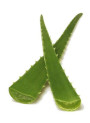
- Aloe Vera Extract: Known for soothing, moisturizing, and reducing irritation.
- Sorbitol: Acts as a humectant, helping the skin retain moisture.
- PEG-150 Distearate: A common thickener, especially for surfactant-based systems like cleansers or shampoos. It typically requires heat to dissolve.
- Polysorbate 20: An emulsifier and solubilizer, used to mix oils or fragrances into water-based formulas.
- Benzyl Alcohol, Phenoxyethanol, Dehydroacetic Acid: These are preservatives used to prevent microbial growth in the product.
- Disodium EDTA: A chelating agent that helps improve the stability and shelf life of the product by binding to metal ions.
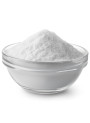
- Citric Acid, Sodium Citrate: Used together as a buffer system to adjust and maintain the pH of the formulation.
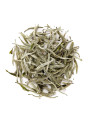
- Grape Seed Extract, Camellia Sinensis Leaf Extract (Green Tea Extract, White Tea Extract): Provide antioxidant benefits. Some extracts, like Green Tea Extract, can also help with odor control.
- Lavendula Angustifolia (Lavender) Oil, Ormenis Multicaulis Oil, Carum Petroselinum (Parsley) Seed Oil, Linalool, d-limonene: These are typically fragrance components, often derived from essential oils, contributing to the product's scent.
Formulation Considerations
To successfully create a stable and effective product, you would need to consider:
- Order of Addition: Ingredients need to be added in a specific sequence based on their solubility and function (e.g., water-soluble ingredients in the water phase, oil-soluble in the oil phase, adding preservatives and pH adjusters at appropriate steps).
- Mixing: Proper mixing techniques are needed to ensure ingredients are fully incorporated and emulsions (if any) are stable.
- pH Adjustment: The final pH of the product is crucial for skin compatibility, ingredient efficacy, and preservative function. You would use Citric Acid (to lower pH) and potentially a base (not listed, but often needed to raise pH) along with Sodium Citrate as a buffer.
- Preservation: The combination of Benzyl Alcohol, Phenoxyethanol, and Dehydroacetic Acid provides broad-spectrum preservation, but their compatibility and effective usage rates need to be carefully considered based on the formula's composition and target pH.
While these ingredients can be combined, successful cosmetic formulation requires careful measurement, understanding of ingredient interactions, and proper manufacturing practices to ensure safety, stability, and performance.
Related Products Mentioned
Polysorbate 20 (Tween 20)
Disodium EDTA
Sorbitol Solution 70%
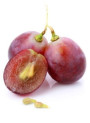
Grape Seed Extract (Proanthocyanidins)

Limonene, D-limonene (FEMA-2633) (China)
Dipentene, DL-Limonene
Linalool (FEMA-2635)
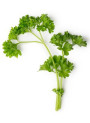
Parsley Lover
White Tea Extract
Citric Acid (Anhydrous, Natural)