Cosmetic Fragrance Use, Ingredient Alternatives, and Crystal Mask Formulation
Question
Can commercial perfumes like Tresor, Lacoste, Chanel, and Euphoria be used in cosmetic products such as creams and serums? For a crystal mask base, can it be mixed manually, are glycerin and propanediol suitable alternatives for propylene glycol, and how long does it take to set into a gel?
Answer
Cosmetic Formulation Questions
Here are the answers to your questions about using fragrances and ingredients in cosmetic formulations:
Using Commercial Fragrances in Cosmetics
Commercial perfumes like Tresor, Lacoste, Chanel, and Euphoria are designed as finished products for personal fragrance use. They contain complex blends of fragrance compounds, solvents, and other ingredients at concentrations suitable for perfumery.
Using these finished perfumes directly in cosmetic formulations like creams or serums is generally not recommended. This is because:
- The concentration of fragrance compounds might be too high or too low for a cosmetic base.
- They may contain allergens or ingredients not suitable for leave-on skin products.
- Their stability and compatibility with other cosmetic ingredients (emulsifiers, preservatives, active ingredients) can be unpredictable and may cause issues like separation, discoloration, or loss of fragrance strength over time.
- Cosmetic formulations require specific fragrance ingredients or blends that are tested for stability and safety within the cosmetic matrix.
For adding fragrance to cosmetic products, it is best to use cosmetic-grade fragrance oils or essential oils specifically formulated and tested for use in skincare.
LHA in Cosmetics
LHA stands for Lipo Hydroxy Acid, which is chemically known as Capryloyl Salicylic Acid. It is a derivative of salicylic acid used in cosmetics for its exfoliating properties.
Based on product information, Capryloyl Salicylic Acid (LHA) is used in products targeting wrinkles, exfoliation, and acne. It is known to be less irritating than some other hydroxy acids like BHA and has a pH closer to that of natural skin. It is typically mixed into the oil phase of a formulation by heating.
Crystal Mask Base: Ingredients and Setting Time
Regarding the crystal mask base:
Ingredients: You asked if glycerin and propanediol can be used instead of propylene glycol. Yes, both Glycerin and Propanediol are commonly used humectants and solvents in cosmetic formulations and can be used in mask bases. Propanediol (1,3-Propanediol) is often used as a natural alternative to Propylene Glycol and can enhance the moisturizing effect of Glycerin when used together.
- Glycerin (USP/Food Grade) is a popular humectant and solvent, soluble in water.
- Propanediol (1,3-Propanediol) is a natural humectant and solvent that can replace Propylene Glycol.
- Propylene Glycol also functions as a lubricant, viscosity reducer, solvent, and humectant.
- The Crystal Mask Base product information provides a sample formula that includes both Glycerin and Propylene Glycol, and notes that 1,3-Propanediol can be used instead of Propylene Glycol. This confirms that these substitutions are possible and common.
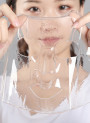
Mixing Method: The Crystal Mask Base is a white powder that needs to be dissolved in water by heating (to 80 degrees Celsius) along with other ingredients like Glycerin. After mixing well until dissolved into a clear liquid, other ingredients (like Propylene Glycol and a preservative) are added. The mixture is then poured into a mold. While the initial mixing can be done by hand, the process requires heating.
Setting Time: The Crystal Mask Base sets into a clear gel texture as it cools after being poured into a mold. The product description does not specify an exact time in minutes, but indicates that it sets upon cooling. The setting time will depend on the volume of the mask, the temperature of the mixture, and the ambient temperature.