Cosmetic Ingredient Analysis
Asked by: sleekorder.ka
On: January 05, 2017
Product Type:
Cosmetics
Answered
Question
Please provide an analysis of the following ingredients found in a cosmetic formulation, explaining the function of each:
- Aqua
- 1.3-Butylene Glycol
- ethanol 99%
- Carbomer
- Triethanolamine
- Phenoxyethanol
- Tocopheryl Acetate
- Hyaluronic Acid
- Imperata Cylindrica Root Extract
- glycerin
- Butylene Glycol
- Cabomer
- Polysorbate 20
- Palmitoyl Pentapeptide-3
- Perfume
Answer
Cosmetic Ingredient Analysis
Based on the ingredients provided and information from our database, here are the functions of each component:
- Aqua: This is purified water, typically serving as the primary solvent and base for the formulation.
- Butylene Glycol: Acts as a solvent, humectant (attracts and retains moisture), and can improve the texture and spreadability of the product. Our database lists Butylene Glycol (ID 320) as a gentler alternative to Propylene Glycol.
- ethanol 99%: Also known as Ethyl Alcohol, it is used as a solvent for ingredients that are not water-soluble. Our database lists Ethyl Alcohol (ID 706) as a high-purity grade suitable for cosmetics and perfumes.
- Carbomer: A gelling agent and thickener used to create gel textures and increase the viscosity of formulations. Carbomer (ID 651) requires neutralization with an alkali like Triethanolamine to form a gel.
- Triethanolamine: An alkali used to adjust the pH of formulations, particularly to neutralize Carbomer and form a gel. Our database lists Triethanolamine 99% (ID 139) as a high-purity grade.
- Phenoxyethanol: A widely used preservative to prevent microbial growth in cosmetic products. Our database lists Phenoxyethanol (Extra Pure) (ID 155) as a high-purity option.
- Tocopheryl Acetate: A stable form of Vitamin E, primarily used as an antioxidant to protect the formula from oxidation and also offers antioxidant benefits to the skin. Our database lists Vitamin E (Tocopheryl Acetate) (ID 65).
- Hyaluronic Acid: A powerful humectant that attracts and holds moisture, helping to hydrate and plump the skin. The list mentions "Double Hyaluron Liquid," and our database includes Double Hyaluron Liquid (ID 404), which contains both standard and nano-sized hyaluronic acid for multi-level hydration.
- Imperata Cylindrica Root Extract: This is a plant extract known for its moisturizing properties. While this specific extract was not found as a distinct product in our search, plant extracts are commonly used for various skin benefits.
- glycerin: A very common humectant and emollient that helps to moisturize the skin and improve the feel of the product. Our database lists Glycerin (USP/Food Grade) (ID 143).
- Polysorbate 20: A non-ionic surfactant and emulsifier used to solubilize oils and fragrances in water-based formulations. Our database lists Polysorbate 20 (Tween 20) (ID 175).
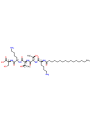
- Palmitoyl Pentapeptide-3: This is a peptide ingredient often used in anti-aging formulations for its potential to help reduce the appearance of wrinkles and improve skin elasticity. Our search found Palmitoyl Pentapeptide-4 (Pep®-PP4) (ID 35494), which is a similar peptide with documented efficacy in reducing wrinkles.
- Perfume: Added to provide fragrance to the product. Specific perfume compositions are typically proprietary and not listed as individual ingredients in this manner.
These ingredients collectively form a water-based gel or serum likely designed for hydration and potentially anti-aging benefits, utilizing humectants, a gelling agent, a preservative, an antioxidant, and a peptide.
Related Products Mentioned
Vitamin E (Tocopheryl Acetate)
Cosmetics
Triethanolamine 99%
Cosmetics
Glycerin (USP/Food Grade)
Cosmetics
Phenoxyethanol (Extra Pure)
Cosmetics
Polysorbate 20 (Tween 20)
Cosmetics
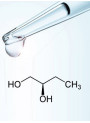
Butylene Glycol
Cosmetics
Double Hyaluron Liquid
Cosmetics
Carbomer 940 (EasyDisperse™, France)
Cosmetics