Cosmetic Ingredient Breakdown
Asked by: ann_pooh88
On: November 12, 2020
Product Type:
Cosmetics
Answered
Question
Could you please provide a breakdown of the ingredients in the following list and explain their common functions in cosmetic formulations?
- Water/Aqua/Eau
- Cyclopentasiloxane
- Cyclohexasiloxane
- Methyl Methacrylate Crosspolymer
- Butylene Glycol
- PEG-10 Dimethicone
- Trimethylsiloxysilicate
- sodium chloride
- Cetyl PEG/PPG-10/1 Dimethicone
- 1,2-Hexanediol
- aluminum hydroxide
- amyl cinnamal
- Benzyl Salicylate
- Butyrospermum Parkii (shea) butter
- convallaria majalis bulb/root extract
- Dimethicone/vinyl Dimethicone Crosspolymer
- Disodium EDTA
- Disteardimonium Hectorite
- Ethylhexylglycerin
- Geraniol
- Glycyrrhiza Glabra (licorice) root extract
- Helianthus Annuus (Sunflower) Seed Oil
- Hexyl Cinnamal
- Hydroxycitronellal
- leontopodium alpinum flower/leaf extract
- lilium candidum flower extract
- Limonene
- Linalool
- Magnolia liliflora flower extract
- Mangifera Indica (Mango) Seed Butter
- Olea Europaea (olive) fruit oil
- paeonia lactiflora root extract
- parfum/Fragrance
- Phenoxyethanol
- TBHQ
- Tocopherol
- triethoxycaprylylsilane
- Triethyl citrate
- ulmus davidiana root extract
- (+/-): Titanium Dioxide (CI 77891)
- Iron Oxides (CI 77491, CI 77492, CI 77499)
Answer
Ingredient Breakdown
Here is a breakdown of the ingredients found in the list and their common functions in cosmetic formulations:
Solvents and Base Ingredients
- Water/Aqua/Eau: The primary solvent, forming the base of most cosmetic formulations.
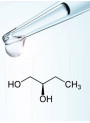
- Butylene Glycol: A type of alcohol used as a solvent, humectant (helps retain moisture), and can improve the texture of formulations.
- 1,2-Hexanediol: Acts as a solvent, humectant, and can also function as a preservative booster.
Silicones
- Cyclopentasiloxane: A lightweight, volatile silicone that provides a smooth, silky feel and helps deliver other ingredients. It evaporates quickly.
- Cyclohexasiloxane: Another volatile silicone with properties similar to Cyclopentasiloxane, providing slip and a smooth feel.
- PEG-10 Dimethicone: A silicone-based emulsifier that helps mix water and silicone phases, often used in water-in-silicone or water-in-oil emulsions.
- Trimethylsiloxysilicate: A silicone resin that forms a durable film on the skin, contributing to long-wear properties in makeup.
- Dimethicone/vinyl Dimethicone Crosspolymer: A silicone elastomer powder that provides a silky feel, helps absorb oil, and can blur the appearance of fine lines.
Emulsifiers and Thickeners
- Cetyl PEG/PPG-10/1 Dimethicone: A silicone-based emulsifier specifically designed for creating water-in-oil emulsions, providing good skin feel and stability.
- Disteardimonium Hectorite: A clay-based gelling agent or thickener used in oil and silicone formulations to provide structure and suspend pigments.
Powders and Absorbents
- Methyl Methacrylate Crosspolymer: A polymer powder that can absorb oil and provide a matte finish and smooth feel to the skin.
- Aluminum Hydroxide: Often used as an opacifying agent or as a surface treatment for pigments to improve their dispersion and feel.
Oils and Butters
- Butyrospermum Parkii (shea) butter: A natural butter known for its moisturizing and emollient properties, helping to soften and smooth the skin.
- Helianthus Annuus (Sunflower) Seed Oil: A non-fragrant plant oil that acts as an emollient, providing moisture and skin-conditioning benefits.
- Mangifera Indica (Mango) Seed Butter: A natural butter with moisturizing and emollient properties, similar to Shea Butter.
- Olea Europaea (olive) fruit oil: A plant oil rich in fatty acids and antioxidants, used as an emollient and skin conditioner.
Extracts
- Glycyrrhiza Glabra (licorice) root extract: Known for its soothing and potential skin brightening properties.
- Magnolia liliflora flower extract: A botanical extract that may offer soothing or antioxidant benefits.
- Paeonia lactiflora root extract: A botanical extract that can have antioxidant and soothing properties.
- Convallaria majalis bulb/root extract: An extract from Lily of the Valley.
- Leontopodium alpinum flower/leaf extract: Also known as Edelweiss extract, it is known for its antioxidant properties.
- Lilium candidum flower extract: Also known as White Lily extract, often used for its soothing or moisturizing properties.
- Ulmus davidiana root extract: Also known as Slippery Elm extract, traditionally used for its soothing properties.
Preservatives and Stabilizers
- Sodium chloride: Table salt, used as a thickener in some water-based formulas or as a general ingredient.
- Disodium EDTA: A chelating agent that binds to metal ions, helping to maintain the stability and effectiveness of the formulation.
- Ethylhexylglycerin: A conditioning agent and a common preservative booster, often used in combination with other preservatives like Phenoxyethanol.
- Phenoxyethanol: A widely used synthetic preservative to prevent the growth of bacteria, mold, and yeast.
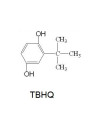
- TBHQ: An antioxidant used to prevent the oxidation and degradation of oils and other sensitive ingredients.
Fragrance Components
- Amyl Cinnamal: A fragrance ingredient with a floral scent.
- Benzyl Salicylate: A fragrance ingredient often described as slightly floral and balsamic.
- Geraniol: A fragrance ingredient with a rose-like scent.
- Hexyl Cinnamal: A fragrance ingredient with a floral, jasmine-like scent.
- Hydroxycitronellal: A fragrance ingredient with a sweet, floral scent.
- Limonene: A fragrance ingredient with a citrus scent.
- Linalool: A fragrance ingredient with a floral, slightly spicy scent.
- Triethyl citrate: Can be used as a solvent or a fragrance ingredient, and also has deodorant properties.
- Parfum/Fragrance: A general term indicating the presence of fragrance compounds.
Colorants
- Titanium Dioxide (CI 77891): A white pigment used to provide opacity and color in makeup, and also functions as a UV filter in sunscreens.
- Iron Oxides (CI 77491, CI 77492, CI 77499): Pigments used to provide various shades of red, yellow, and black in cosmetic formulations, commonly used in foundations, powders, and other makeup products. Triethoxycaprylylsilane is often used to coat these pigments to improve dispersion and feel.
Related Products Mentioned
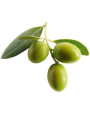
Olive Oil (Extra Virgin)
Cosmetics
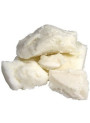
Shea Butter (Refined , Deodorised)
Cosmetics
Vitamin E (dl-alpha tocopherol)
Cosmetics
Phenoxyethanol (Extra Pure)
Cosmetics
Disodium EDTA
Cosmetics
Red Iron Oxides EasyMix™
Cosmetics
Black Iron Oxides EasyMix™
Cosmetics
Butylene Glycol
Cosmetics
Ethylhexylglycerin
Cosmetics
Hectorite Gel™ (Mineral Oil Base)
Cosmetics
Mango Butter (Deodorized)
Cosmetics

Magnolia Extract (Magnolol, Honokiol)
Cosmetics
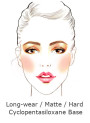
LipidSoft™ Deo (Triethyl Citrate, TEC)
Cosmetics
SelectSorb™ (High Oil Absorption PMMA)
Cosmetics
tert-Butylhydroquinone (TBHQ)
Cosmetics
Citronellal
RM Fragrance/Flavor

Limonene, D-limonene (FEMA-2633) (China)
RM Fragrance/Flavor

Alpha-hexyl Cinnamaldehyde (FEMA-2569)
RM Fragrance/Flavor
Linalool (FEMA-2635)
RM Fragrance/Flavor
Benzyl Salicylate
RM Fragrance/Flavor
Geraniol (98%) (FEMA-2507)
RM Fragrance/Flavor
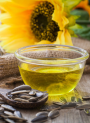
Sunflower Oil (High Omega, Refined)
Cosmetics
Sodium Chloride (High Purity, 99.9%)
Cosmetics
ActiveRelease Paeonol™
Cosmetics