Cosmetic Ingredient Breakdown and Functions
Asked by: xperiapkay2311
On: January 03, 2020
Product Type:
Cosmetics
Answered
Question
Please provide information about the function of the following ingredients in a cosmetic formulation:
- Aqua
- Butylene Glycol
- Isopropyl Palmitate
- Palmitoyl Hexapeptide-19
- Ascorbyl Tetraisopalmitate
- Cetearyl Alcohol
- Ceteareth-20
- Stearic Acid
- Glyceryl Stearate
- PEG-100 Stearate
- Ethoxydiglycol
- Sodium Polyacryloyldimethylaurate
- Hydrogen
- Butyrospermum Parkii (shea butter)
- Isotridecyl Isononanoate
- Phenoxyethanol
- Caprylyl Glycol
- Tocopheryl Acetate
- Bakuchiol
- Triethanolamine
- Carbomer
- Sodium Hyaluronate
- Allantoin
- Disodium EDTA
Answer
Cosmetic Ingredients Explained
Here is a breakdown of the ingredients you provided and their functions in cosmetic formulations:
- Aqua: This is simply water, typically used as the base or solvent in most cosmetic formulations.
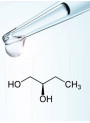
- Butylene Glycol: A solvent and carrier that is a gentler alternative to Propylene Glycol. It helps dissolve other ingredients and can enhance their penetration into the skin. It also has a lighter texture than Propylene Glycol.
- Isopropyl Palmitate: An emollient ester derived from isopropyl alcohol and palmitic acid. It helps improve the feel and spreadability of the formula on the skin.
- Palmitoyl Hexapeptide-19: (Information not directly found in search results, but generally peptides are signaling molecules used for various skin benefits like anti-aging or firming.)
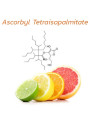
- Ascorbyl Tetraisopalmitate: An oil-soluble form of Vitamin C (Perfect-C™) known for its stability and effective absorption into the skin. It offers benefits like skin brightening (whitening), antioxidant protection, reducing UV damage, and stimulating collagen synthesis.
- Cetearyl Alcohol: A fatty alcohol used as a thickener or opacifier in cream. It helps increase the viscosity and provides a heavier, thicker cream texture. It also acts as an occlusive emollient, helping to reduce water loss from the skin and providing moisturization. It is often used in combination with a Cream Maker or emulsifier.
- Ceteareth-20: An oil-in-water emulsifier commonly used to help mix oil and water phases in creams and lotions.
- Stearic Acid: A fatty acid used as a thickener and emulsifier in skin creams and lotions.
- Glyceryl Stearate: Used as a thickener to increase viscosity, often in conjunction with Cetearyl Alcohol, to create a creamy texture. The SE (Self-Emulsifying) type can help create cream texture without additional emulsifiers, even in oil-free formulas.
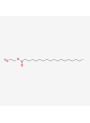
- PEG-100 Stearate: An oil-in-water emulsifier frequently used with Glyceryl Stearate to enhance emulsion stability in creams and lotions.
- Ethoxydiglycol: A high-purity cosmetic grade solvent and carrier. It helps dissolve various substances and effectively delivers ingredients into the skin.
- Sodium Polyacryloyldimethylaurate: (Information not directly found in search results, but typically used as a thickener, stabilizer, or emulsifier in cosmetic formulations.)
- Hydrogen: (Likely refers to hydrogen in water or other compounds, not a standalone ingredient to be added.)
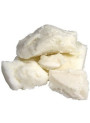
- Butyrospermum Parkii (Shea Butter): A natural fat known for its moisturizing properties. It helps maintain skin moisture and elasticity, aids in restoring damaged cells, and contains cinnamic acid which offers some UV protection. It is commonly used in lotions, creams, and balms.
- Isotridecyl Isononanoate: (Information not directly found in search results, but typically used as an emollient or skin conditioning agent.)
- Phenoxyethanol: A widely used preservative considered safe and free from parabens and formaldehyde. It is effective against bacteria but less so against fungi, often used in combination with other preservatives.
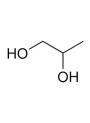
- Caprylyl Glycol: Often used as a preservative booster and solvent. It is derived from coconut.
- Tocopheryl Acetate: A stable form of Vitamin E used in cosmetics. It acts as an antioxidant, protecting against free radicals.
- Bakuchiol: A natural ingredient (Pure-Bakuchiol™) derived from the seeds of Psoralea corylifolia. It is known for its retinol-like effects on the skin, such as stimulating collagen and reducing wrinkles, but with less irritation. It also has antioxidant and anti-inflammatory properties.
- Triethanolamine: Used in some formulations primarily to adjust the pH level, increasing alkalinity.
- Carbomer: A gelling agent used to increase viscosity and create a gel texture without needing heat. It requires an alkali (like Triethanolamine) to neutralize and form the gel. It is sensitive to electrolytes and low pH.
- Allantoin: (Information not directly found in search results, but generally known for its soothing, healing, and skin-softening properties.)
- Sodium Hyaluronate: A form of Hyaluronic Acid (Hyaluronic Acid Small Molecule) which is a naturally occurring substance in the skin that helps retain moisture, keeping the skin hydrated and reducing the appearance of wrinkles. Different molecular sizes offer different benefits, with smaller molecules penetrating deeper.
- Disodium EDTA: A chelating agent used to bind with metal ions in water, preventing them from interfering with other ingredients and helping to stabilize the formula for a longer shelf life.
These ingredients collectively contribute to the texture, stability, preservation, and skin-benefiting properties of a cosmetic product.
Related Products Mentioned
Vitamin E (Tocopheryl Acetate)
Cosmetics
Shea Butter (Refined , Deodorised)
Cosmetics
Ethoxydiglycol (e.q. Transcutol)
Cosmetics
Triethanolamine 99%
Cosmetics
Phenoxyethanol (Extra Pure)
Cosmetics
Disodium EDTA
Cosmetics
Butylene Glycol
Cosmetics
Cetearyl Alcohol (50/50, e.q. Lanette O)
Cosmetics
Carbomer 940 (EasyDisperse™, France)
Cosmetics
Caprylyl Glycol (1,2-Octanediol)
Cosmetics
Ceteareth-20 (Flake)
Cosmetics
PEG-100 Stearate
Cosmetics
Isopropyl Palmitate (IPP)
Cosmetics