Cosmetic Ingredient Properties and Formulation Combinations
Question
I have a list of ingredients and would like to know about their properties and how to use them in cosmetic formulations, specifically regarding combinations for different skin concerns. The ingredients are:
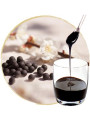
- Ume Extract (Anti-Glycation)
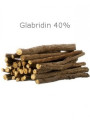
- Licorice Extract (Glabridin 40%)
- Alpha Arbutin (Switzerland)
- TXC™ (Cetyl Tranexamate HCl)
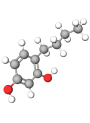
- Activated Resorcinol™
- Complex Salicylic Acid (Powder, Water-Soluble)
- Z-White™
- 4D Hyaluronic Acid
- Ceramide 2 (Ceramide NG)
- Phytosphingosine
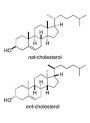
- Cholesterol
- GlucoBright™ (Acetyl glucosamine)
- Safe-B3™ (Vitamin B3, Niacinamide)
- Dimethyl Isosorbide (DMI)
- Phytosphingosine
Could you provide information on:
- The benefits and properties of each ingredient?
- Their solubility and optimal pH ranges for formulation?
- Potential combinations for specific results (e.g., whitening, moisturizing, anti-acne)?
- Any known incompatibilities or formulation considerations?
Answer
Cosmetic Formulation Ingredients and Combinations
Based on the ingredients you are interested in, here is a breakdown of their benefits and how they can be incorporated into formulations:
Whitening and Brightening
Several ingredients on your list are known for their skin whitening and brightening properties:
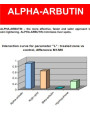
- Alpha Arbutin (Switzerland): A water-soluble ingredient that reduces melanin production by inhibiting the enzyme Tyrosinase. It is effective for brightening skin tone and is considered safe. It works well in gel, serum, lotion, or cream formulations with a pH between 3.5-6.5. Avoid combining it with Activated Resorcinol or AHA.
- Licorice Extract (Glabridin 40%): Contains Glabridin, which offers both whitening and anti-irritation effects. It is soluble in Glycol or Ethanol and should be added to formulations at temperatures not exceeding 60°C.
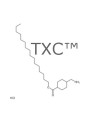
- TXC™ (Cetyl Tranexamate HCl): A potent whitening agent that absorbs well into the skin. It is soluble in Glycol or oil and can be mixed at temperatures up to 80°C. Higher concentrations may cause irritation.
- Activated Resorcinol™: A highly effective whitening ingredient that inhibits Tyrosinase and helps reduce melasma. It is soluble in oil and works best at a pH of 4.5-5.5. It is generally more potent than Alpha Arbutin, and they should not be used together. It can be combined with Vitamin B3 and Acetyl Glucosamine. It is sensitive to light and heat.
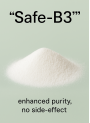
- Safe-B3™ (Vitamin B3, Niacinamide): Offers multiple benefits, including reducing hyperpigmentation and improving skin tone. It is water-soluble and works best at a pH of 4.0-7.0. It can be used at higher concentrations (up to 10% for Safe-B3™) without causing flushing.
- GlucoBright™ (Acetyl Glucosamine): Works synergistically with Vitamin B3 (Niacinamide) for whitening and reducing dark spots. It is water-soluble and can be used in formulations with a pH of 3-7. It also helps stimulate hyaluronic acid production for moisture.
- Z-White™: (Based on its name and category, this ingredient likely contributes to skin whitening or improving skin tone).
Potential Whitening Combinations:
A powerful whitening serum could combine Safe-B3™ and GlucoBright™ with either Alpha Arbutin or Activated Resorcinol (choose one, with Activated Resorcinol being more potent). Licorice Extract and TXC™ could also be included for enhanced effects, keeping their solubility and mixing requirements in mind.
Moisturizing and Skin Barrier Support
Several ingredients are crucial for maintaining skin hydration and strengthening the skin barrier:
- 4D Hyaluronic Acid: Provides multi-layer hydration due to its different molecular sizes. It forms a gel texture and is easily incorporated into water-based formulas with a pH of 3-9.
- Ceramide 2 (Ceramide NG): Ceramides are essential lipids found in the skin barrier that help retain moisture and protect against irritants.
- Phytosphingosine: An important component of healthy skin barrier. It has anti-microbial, anti-inflammatory, and skin cell stimulating properties, in addition to helping restore the skin barrier. It is soluble in organic solvents (oil/glycol).
- Cholesterol: Another key lipid component of the skin barrier, often used with Ceramides and fatty acids to restore dry skin. It has a high melting point and requires heating to 150°C to dissolve in oil.
- Safe-B3™ (Vitamin B3, Niacinamide): Stimulates the skin to produce ceramides and collagen, improving moisture levels and strengthening the skin barrier.
- GlucoBright™ (Acetyl Glucosamine): Stimulates the skin's natural production of Hyaluronic Acid, contributing to skin softness and moisture.
Potential Moisturizing/Barrier Combinations:
A rich moisturizing cream could effectively combine Ceramides, Cholesterol, and Phytosphingosine with a fatty acid source (like natural oils). Adding Safe-B3™ and 4D Hyaluronic Acid would further enhance hydration and barrier function. For a lighter serum, Safe-B3™, GlucoBright™, 4D Hyaluronic Acid, and Phytosphingosine could be combined.
Anti-Acne and Exfoliation
Some ingredients offer benefits for acne-prone skin and gentle exfoliation:
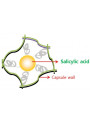
- Complex Salicylic Acid (Powder, Water-Soluble): A water-soluble form of Salicylic Acid (BHA) that helps dissolve clogged pores, exfoliates skin cells, and has germicidal properties. It can be used in water-based formulas with a pH of 3-7.
- Phytosphingosine: Has anti-microbial activity against Propionibacterium acnes (P. acnes), the bacteria commonly associated with acne.
- Safe-B3™ (Vitamin B3, Niacinamide): Can help reduce oiliness on the face, which is beneficial for acne-prone skin.
- GlucoBright™ (Acetyl Glucosamine): Offers gentle exfoliation without causing irritation and can help reduce acne breakouts.
Potential Anti-Acne Combinations:
A formulation targeting acne could include Complex Salicylic Acid, Phytosphingosine, Safe-B3™, and GlucoBright™.
Penetration Enhancement
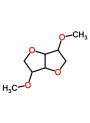
- Dimethyl Isosorbide (DMI): A solvent that significantly enhances the penetration of various active ingredients into the skin, particularly water-soluble ones like Niacinamide, Acetyl Glucosamine, and Hyaluronic Acid. It can help improve the efficacy of ingredients and potentially reduce irritation for some. It is soluble in water, glycols, and oils.
Using DMI:
DMI can be incorporated into various formulations (serums, lotions, creams) to boost the delivery of other active ingredients on your list. It can be mixed in different phases depending on the solubility of the ingredients it is intended to carry.
Anti-Glycation
- Ume Extract (Anti-Glycation): (Based on its name and category, this ingredient is used to help prevent glycation, a process that can contribute to skin aging).
Combining Multiple Benefits:
Many of these ingredients can be combined in a single formulation to address multiple skin concerns. For example, a serum could target both whitening and hydration by combining Safe-B3™, GlucoBright™, a chosen potent whitening agent (Alpha Arbutin or Activated Resorcinol), 4D Hyaluronic Acid, and DMI for enhanced penetration. Adding Phytosphingosine would provide additional barrier support and anti-inflammatory benefits.
When combining multiple ingredients, it is crucial to consider their solubility, optimal pH ranges, temperature sensitivity, and any known incompatibilities mentioned in their descriptions to ensure stability and efficacy of the final product.
Related Products Mentioned
Alpha Arbutin (Switzerland)
Safe-B3™ (Vitamin B3, Niacinamide)
GlucoBright™ (Acetyl Glucosamine)
Cholesterol (95%, NF, Fine Powder)
Ume Extract (Anti-Glycation)

Ceramide 2 (Ceramide NG)
TXC™ (Cetyl Tranexamate HCl)
Phytosphingosine (90% Purity)
Dimethyl Isosorbide (DMI)
4D Hyaluronic Acid