Cracked Heel Cream and Lip Gloss Formulation
Question
I have two questions regarding cosmetic formulation:
- For a cracked heel cream, what ingredients are necessary, and what is the mixing method? The staff recommended
Glycolic Acid5-10% andUrea10-15%. - Which
Vit Ecan be used in lip gloss, and what ingredients can help reduce dark lips?
Answer
Cracked Heel Cream Ingredients and Mixing
To formulate a cream for cracked heels, key ingredients to consider include Glycolic Acid and Urea.
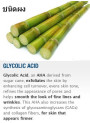
Glycolic Acid (AHA): This ingredient helps to exfoliate dead skin cells, which is beneficial for treating thickened, cracked skin on the heels. It is typically used at a concentration of 5-10% in formulations for cracked heels. Glycolic Acid (powder form) should be mixed into the water phase of your formulation. Avoid heating above 60°C, as this can degrade the ingredient. The final pH of the cream should ideally be below 4.0 for optimal effectiveness, although for consumer products, the FDA recommends a pH not lower than 3.5 and concentration not exceeding 10%.
Urea: Urea is an excellent moisturizer and also has keratolytic (exfoliating) properties at higher concentrations. For cracked heels, a concentration of 10-15% is recommended. Urea (powder form) dissolves in water. It can be heated briefly up to 60°C, but prolonged heat should be avoided. Urea can cause the pH of a formula to rise over time, so stabilization (e.g., using Gluconolactone at about 15% of the Urea amount) is often necessary for long-term stability, especially if stored above 30°C.
General Mixing Method:
Typically, you would create a water phase containing water-soluble ingredients like Urea and Glycolic Acid (after dissolving the powder). An oil phase would contain oils and emulsifiers. Both phases are heated separately (water phase up to 60°C briefly if needed for Urea, oil phase according to emulsifier requirements), then combined and mixed thoroughly to form the cream emulsion. Other ingredients like preservatives, fragrances, and thickeners are added during the cooling phase according to your specific formula.
Vitamin E for Lip Gloss and Ingredients for Dark Lips
For lip gloss formulations, both Vitamin E Acetate and Vitamin E (dl-alpha tocopherol) can be used. Vitamin E acts as an antioxidant and can offer skin conditioning benefits.
Vitamin E Acetate (Tocopheryl Acetate): This is a stable and commonly used form of Vitamin E in cosmetics. It is oil-soluble and can be mixed into the oil phase of your lip gloss formulation.
Vitamin E (dl-alpha tocopherol): This form is considered to have higher bioavailability and potentially greater antioxidant efficacy compared to Vitamin E Acetate, but it is also typically more expensive and less stable. It is also oil-soluble and should be mixed into the oil phase, avoiding prolonged heating.
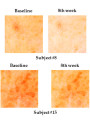
To help reduce dark pigmentation on the lips, you can incorporate whitening agents suitable for use on the lips. Ingredients like GlyciWhite™ (Glycinamide HCL) and MelaninTerminate™ (Hydrolyzed Conchiolin Protein) are examples of ingredients that can help counteract melanin production.
GlyciWhite™: This ingredient works to effectively counteract the melanin production process. It is a powder that dissolves in water and should be mixed into the water phase, avoiding heat above 60°C. A usage rate of 3-10% (recommended 5%) is suggested.
MelaninTerminate™: This ingredient, derived from pearl protein, contains oligopeptides that inhibit melanin production through a different mechanism (endothelin antagonist). It is a light yellow powder that dissolves in water and should be mixed into the water phase, avoiding heat. A low usage rate of 0.01-0.1% is recommended.
When incorporating these ingredients into a lip gloss, ensure they are compatible with your base formula and follow recommended usage rates and mixing instructions.
Related Products Mentioned
Vitamin E (Tocopheryl Acetate)
Vitamin E (dl-alpha tocopherol)
Urea (High Purity, Cosmetics, Powder)
Glycopure™ (Glycolic Acid (AHA) Powder)
GlyciWhite™