Cream Blush Formulation: Mixing Issue with Natural Color
Question
Hello! I'm making a cream blush using color from boiled Globe Amaranth flowers. The ingredients used are Beeswax and Coco-Caprylate/caprate. The problem is that the mixture does not become a homogeneous texture. Could you please advise?
Answer
Hello! Thank you for the additional information.
The problem you encountered with the ingredients not mixing into a homogeneous cream is because you have oil-soluble ingredients (Beeswax, Coco-Caprylate/Caprate) and water-soluble ingredients (the color from boiled Globe Amaranth flowers, which is water-based). Naturally, oil and water do not mix.
To make these two parts combine into a smooth and stable cream texture, you need to use an Emulsifier. An emulsifier acts as a bridge, helping to connect the molecules of water and oil, thereby creating an emulsion or the cream texture you desire.
From the emulsifiers found in the search results, several are suitable and interesting for making cream products, such as:
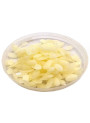
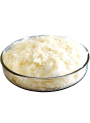
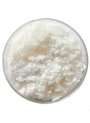
- Emulsifying Beeswax (Non-Ionic, Natural): This is a natural emulsifier made directly from Beeswax and also helps to thicken the cream texture. It's suitable for formulas that already contain Beeswax.
- LeciCream™ (Natural Emulsifier / Cream Maker): A natural emulsifier (Hydrogenated Lecithin) suitable for heavy creams.
- Sucrose Cream Maker™ (e.q. Emulgade Sucro Plus): A 100% natural-based emulsifier that provides a light, non-greasy skinfeel.
- Emulsifying Wax 1000 (e.q. Emulgade 1000 NI): A commonly used emulsifier that helps create cream texture and increases viscosity effectively.
Basic Method for Making Cream Using an Emulsifier:
- Separate Ingredients: Divide the ingredients into two phases: the Oil Phase and the Water Phase.
- Oil Phase: Beeswax, Coco-Caprylate/Caprate, and the chosen Emulsifier.
- Water Phase: Globe Amaranth color (boiled flower water).
- Heat: Heat the oil phase until all ingredients are melted and combined (including Beeswax and the emulsifier). In another container, heat the water phase to a similar temperature as the oil phase (around 70-75°C).
- Combine: Slowly pour the water phase into the oil phase (or vice versa, depending on the specific emulsifier, but pouring water into oil is common for O/W emulsions) while continuously stirring or mixing (e.g., using a small electric whisk or homogenizer).
- Continue Mixing: Keep stirring or mixing until the mixture starts to cool down and form a cream texture.
- Add Other Ingredients (if any): Once the cream has cooled below 40°C, add any heat-sensitive ingredients such as preservatives, fragrance, or other extracts, and mix until well combined.
Using the correct amount of emulsifier according to its recommendations and following the proper heating and mixing steps will help you achieve a smooth and stable cream blush texture.