Cream Causing Skin Dryness and Tightness
Question
After starting to use a certain cream daily, my skin has become dry and tight, and fine lines appear slightly more visible. Before using this cream, my skin was fine. I also use sheet masks daily. Could this cream be the cause of my skin's dryness and tightness?
Answer
Based on the symptoms you described (increased dryness, tightness, more visible fine lines, no redness, peeling, or flaking), it is unlikely to be a typical allergic reaction. These symptoms are more indicative of skin dehydration and a potentially compromised skin barrier, which can happen when the skin loses moisture faster than it can retain it.
Regarding frequent sheet mask use, while sheet masks provide temporary hydration, using them too often, especially without following up with a proper moisturizer to seal in the hydration, can sometimes lead to a cycle of overhydration followed by increased water loss from the skin. This can paradoxically make the skin feel drier over time and potentially disrupt the skin barrier.
Looking at the ingredient list, several components could potentially contribute to the dryness and tightness observed, especially in someone with dry-leaning skin:
- Alcohol: While sometimes used in formulations, alcohol can be drying and may strip the skin's natural oils, leading to increased dryness and irritation over time, particularly if present in higher concentrations.
- Lactic Acid: This is an Alpha Hydroxy Acid (AHA) which acts as an exfoliant. AHAs can increase cell turnover but can also cause dryness, sensitivity, and disrupt the skin barrier if used too frequently or if the skin is already dry or compromised.
- Fragrance: Fragrance ingredients are common sensitizers and can cause irritation and dryness in some individuals, even without a full-blown allergic reaction.
The combination of these ingredients, particularly Alcohol and Lactic Acid, might be too harsh or drying for your aunt's skin type and age, especially with frequent use alongside daily sheet masking. While the cream also contains beneficial moisturizing and anti-aging ingredients like Glycerin, Squalane, Ceramides, and Hyaluronic Acid, the potentially drying ingredients might be counteracting their benefits or overwhelming the skin's ability to maintain its barrier function.
How to address this:
- Stop using the cream temporarily: The best way to confirm if the cream is the cause is for your aunt to stop using it for a week or two and see if her skin condition improves.
- Reduce frequency or amount: If she is unwilling to stop completely, suggest using it less often (e.g., every other day) or using a much smaller amount.
- Layer with a richer moisturizer/oil: Continue using the Rose Hip Oil or switch to a richer facial cream after applying the problematic cream (if she continues to use it) to help provide additional moisture and support the skin barrier. Focus on the dry areas like the forehead and temples.
- Reduce sheet mask frequency: Suggest reducing sheet mask use to 1-2 times per week and always follow with a good moisturizer.
- Focus on gentle skincare: Ensure her cleanser is gentle and non-foaming, and avoid other potentially irritating products.
Adding ingredients directly into the cream is generally not recommended as it can affect the product's stability, efficacy, and safety. It's better to use separate products with ingredients that support skin barrier repair and hydration, such as serums or moisturizers containing Ceramides, Fatty Acids, Cholesterol, Hyaluronic Acid, or Glycerin.
Related Products Mentioned
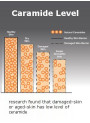
Ceramide Complex (CeraTouch™, Cream)


Lactic Acid (AHA) 88%
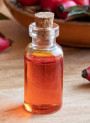
Rosehip Oil (Virgin, Fresh)