Cream Discoloration (Yellow/Brown) with Tranexamic Acid and Alpha Arbutin
Question
I have formulated a cream containing Tranexamic Acid, Alpha Arbutin, Deoxyarbutin, and Licorice Extract. The cream has changed color over time, turning yellowish/brown. I suspect the Licorice Extract might be the cause or perhaps oxidation.
I would like to know:
1. What is the pH of the formula?
2. What type of packaging is used for the formula (plastic, clear, opaque, etc.), and how much light exposure does the formula receive?
3. After the color change occurred, did the texture of the formula change at all?
Answer
Addressing Cream Discoloration with Tranexamic Acid and Other Actives
It is common for cosmetic formulations containing active ingredients like Tranexamic Acid and Alpha Arbutin to experience discoloration over time, often turning yellowish or brown. This can be caused by several factors, including the natural color of some ingredients and the oxidation of sensitive compounds.
Based on your list of ingredients, here are the potential causes and solutions:
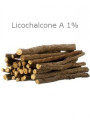
- Licorice Extract: As you suspected and the staff confirmed, Licorice Extract (specifically the Licochalcone A type) is a brown liquid. Its natural color will contribute to the overall color of your cream. If a pure white color is desired, reducing or replacing this ingredient might be necessary, although it offers beneficial anti-inflammatory properties.
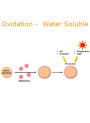
- Oxidation of Actives: Ingredients like Tranexamic Acid and Alpha Arbutin are prone to oxidation when exposed to air, light, or unfavorable pH conditions. This chemical reaction can lead to browning.
To help prevent your cream from changing color and keep it as white as possible, consider the following:
- Incorporate an Antioxidant: Adding a high-performance antioxidant blend like ActiveProtec™ OX can significantly help prevent the oxidation of sensitive ingredients such as Tranexamic Acid and Alpha Arbutin. The recommended usage rate for ActiveProtec™ OX is typically between 0.1% and 1.0%.
- Optimize pH Level: The stability of ingredients like Alpha Arbutin and Deoxyarbutin is dependent on the pH of the formulation. Alpha Arbutin is most stable between pH 3.5-6.5, while Deoxyarbutin prefers a pH of 5.0-5.8. Tranexamic Acid is stable in a broader range (pH 3-8), and Licorice Extract prefers 3.5-6.5. Aiming for a pH in the range of 5.0-6.5 can help maintain the stability of multiple ingredients and reduce discoloration.
- Use Opaque Packaging: Store the finished cream in opaque containers that protect the product from light exposure, as light can accelerate the oxidation process.
While implementing these steps, particularly adding an antioxidant and adjusting pH, can greatly improve color stability, the natural brown color of Licorice Extract may still impart a tint to the final product depending on its concentration. If a truly white cream is essential, you might need to explore alternative ingredients for the properties provided by Licorice Extract.
Related Products Mentioned
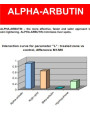
Alpha Arbutin (Switzerland)
Tranexamic Acid (Trans-White™)

Deoxyarbutin (D-Arbutin)
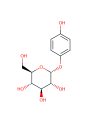
Alpha Arbutin (China, Crystal Form)