Cream Formula Assessment and Improvement
Question
Can this cream formula be made? Is there anything that needs to be added? The formula is as follows: Water, Fractionated Coconut Oil 5%, 1,2-Hexanediol 3%, Avena Sativa (Oat) Meal Extract 3%, Rice Vitamin 2%, NAT-RIBOSE™ 1.5%, Aristoflex AVC 1-2%, Ethylhexylglycerin 1%.
Answer
Cream Formula Assessment
The formula you provided is a good starting point, incorporating several beneficial ingredients. However, to ensure the cream is stable, safe, and effective for long-term use, some additions and considerations are necessary.
Your formula includes:
- Water
- Fractionated Coconut Oil (5%) - Acts as an emollient.
- 1,2-Hexanediol (3%) - Functions as a humectant, solvent, and preservative booster.
- Avena Sativa (Oat) Extract (Oil Soluble) (3%) - Provides soothing and nourishing properties.
- Rice Vitamin (likely Inositol) (2%) - Inositol is a type of sugar alcohol with potential moisturizing benefits.
- NAT-RIBOSE™ (1.5%) - D-Ribose, an active ingredient for skin energy.
- Aristoflex AVC (1-2%) - A thickener and stabilizer that can help emulsify a certain amount of oil.
- Ethylhexylglycerin (1%) - A gentle preservative booster and emollient.
Areas to Consider for Improvement:
- Emulsification System: While Aristoflex AVC can help stabilize emulsions and thicken the formula, it is primarily a gelling agent and thickener. For a stable cream containing 5% oil, it is highly recommended to include a primary emulsifier. A primary emulsifier helps create and maintain the emulsion structure, preventing the oil and water phases from separating over time. Choosing an emulsifier compatible with Aristoflex AVC is important.
- Preservation System: The formula contains 1,2-Hexanediol and Ethylhexylglycerin, both of which have some antimicrobial properties and act as preservative boosters. However, they are generally not sufficient on their own to protect a water-based product from a wide range of microbial contamination (bacteria, yeast, and mold) throughout its shelf life. A broad-spectrum preservative system is crucial for safety. You should add a preservative blend that is effective against various microorganisms and compatible with your formula's pH and ingredients.
- pH Adjustment: After combining all ingredients, especially after adding a preservative, it is essential to measure and adjust the final pH of the cream. The pH should be within a range suitable for the skin (typically 4.5-6.5), the stability of your active ingredients (like NAT-RIBOSE™), and the optimal function of your chosen preservative system.
- Chelating Agent (Optional but Recommended): Adding a small amount of a chelating agent (like Disodium EDTA) can help improve the stability of the formula by binding to metal ions that might be present in the water or ingredients, which can otherwise cause discoloration or affect the efficacy of preservatives and antioxidants.
Conclusion:
Your formula is feasible as a base, but it requires the addition of a primary emulsifier and a robust broad-spectrum preservative system to be a stable and safe cream product. Incorporating pH adjustment and potentially a chelating agent are also best practices for cosmetic formulation.
Related Products Mentioned
Fractionated Coconut Oil

Rice Vitamin (Inositol, Vitamin B8)
Ethylhexylglycerin
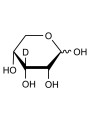
NAT-RIBOSE™
Avena sativa (Oat) Extract (Oil Soluble)