Cream Formula for Irritated Skin: Redness & Barrier Repair
Question
I have developed a cream formula for my skin which is very irritated, sensitive, red, and experiencing dryness/peeling (especially on the cheeks) with an oily T-zone, after using mercury-containing cream. My formula contains:
- Aloe Vera Extract
- Vitamin B12 (at 3%)
- Licochalcone A
- Ceramide Complex
- Pro-Vitamin B5 (D-Panthenol)
- Shea Butter
- Jojoba Oil
- Double Hyaluron Liquid (using 4% of a product containing 5% active HA, resulting in 0.2% active HA)
- Preservative
I have the following questions regarding this formula:
- Will this formula help reduce redness?
- If I add 3% Glycerin, will the cream texture become too oily, considering my combination skin type?
- Should I add any other ingredients to further help reduce redness, or is the current combination sufficient?
Answer
Formula Review for Redness and Irritation
Thank you for sharing your formula and providing details about your skin condition after using mercury-containing creams. It sounds like you are experiencing significant irritation, redness, and some dryness/peeling, especially on the cheeks, with oiliness in the T-zone. The formula you have developed, with some adjustments based on the feedback you received, appears well-suited to help calm your skin and support its recovery.
Let's address your questions:
Will this formula help with redness?
Yes, the core ingredients in your formula are known for their soothing and anti-inflammatory properties, which are crucial for reducing redness and irritation:
- Aloe Vera Extract: Known for its ability to reduce allergic irritation and soothe the skin, especially sunburned skin.
- Vitamin B12: Effective in reducing inflammation and skin irritation, promoting skin cell regeneration, and reducing allergic reactions.
- Licochalcone A: An extract from licorice, it has strong properties to reduce skin inflammation, redness, and irritation.
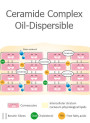
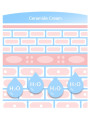
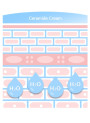
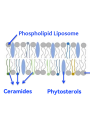
- Ceramide Complex: Essential for restoring the skin's natural barrier function. A damaged barrier is a primary cause of sensitivity, dryness, and redness. Increasing the concentration of Ceramide Complex, as suggested in the feedback, can significantly speed up the recovery process and reduce redness by strengthening the skin's protective layer.
- Pro-Vitamin B5 (D-Panthenol): Helps reduce inflammation, redness, itching, and accelerates wound healing and new skin tissue creation.
These ingredients work together to calm the inflammatory response and repair the damaged skin barrier, which should help reduce the severe redness you are experiencing.
Will the cream be too oily if 3% Glycerin is added?
Given your combination skin type (oily T-zone, dry cheeks) and the presence of moisturizing oils like Shea Butter and Jojoba Oil in your formula, adding 3% Glycerin might make the cream feel heavier and potentially too oily, especially in your T-zone. Glycerin is a humectant that draws moisture, contributing to a hydrated feel, but in combination with other emollients and oils, it can increase the overall richness and potentially the oily sensation of the cream. Considering your skin's current state and your concern about oiliness, it might be best to omit the Glycerin or try a very small percentage if needed, focusing instead on the barrier repair ingredients like Ceramide Complex and the existing oils for moisture.
Should other ingredients be added to help reduce redness?
The current formula already contains several excellent ingredients for reducing redness and irritation. As suggested in the feedback, increasing the concentration of Ceramide Complex to 10% is a highly recommended step. Ceramides are vital for repairing the damaged skin barrier, which is often the root cause of persistent redness and sensitivity after irritation. Focusing on a higher concentration of this key ingredient is likely more effective than adding many new ingredients, which could potentially overwhelm or further irritate your sensitive skin. The combination of increased Ceramide Complex with the soothing properties of Aloe Vera, Vitamin B12, Licochalcone A, and Pro-Vitamin B5 provides a strong approach to tackle the redness and support skin healing.
Regarding your question about Double Hyaluron Liquid 4% equaling 0.2%, yes, if the Double Hyaluron Liquid product you are using contains 5% active Hyaluronic Acid, then using 4% of this liquid in your formula results in 0.2% active Hyaluronic Acid (4% of 5% = 0.2%). While Hyaluronic Acid is moisturizing, the feedback suggested omitting it due to potential oiliness on your T-zone. You could consider this based on your preference for texture and how your skin feels.
Also, as noted in the previous reply, Vitamin B12 at 3% will likely give your cream a light pink color, which is normal.
Finally, while your formula includes a preservative, the suggestion to potentially avoid preservatives during this period of extreme skin sensitivity is worth considering if you are making the cream for immediate, short-term use and can ensure strict hygiene during preparation to prevent microbial growth.
Overall, your formula is a solid base for treating your irritated skin. Focusing on increasing the Ceramide Complex and carefully considering the inclusion of Glycerin and Hyaluron based on your skin's response and desired texture seems like the most effective path forward.
Related Products Mentioned
Vitamin E (Tocopheryl Acetate)
Light Cream Maker™
Glycerin (USP/Food Grade)
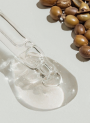
Jojoba Oil (Clear - Deodorized)
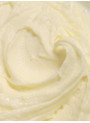
Shea Butter (Ultra Soft)
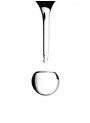
Double Hyaluron Liquid