Cream Formula for Sensitive Skin: Preservative Alternatives
Question
I am interested in making a cream formula for sensitive skin with the following ingredients:
- Green Tea Extract (EGCG)
- Beta Glucan (Saccharomyces cerevisiae extract)
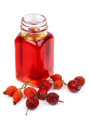
- Rose Hip Oil (Extra Virgin / Virgin, Fresh)
- Bisabolol (Natural Bisabolol (Brazil Chamomile) / Bisabolol (Alpha Bisabolol, Bisabolol RAC))
- Light Cream Maker
- Phenoxyethanol (preservative)
Given that this formula is for sensitive skin, is Phenoxyethanol the most suitable preservative, or are there better alternatives? What alternatives would you recommend and why?
Answer
Cream Formula for Sensitive Skin
It's great that you're exploring making your own skincare! The formula you've found contains several ingredients known for their beneficial properties:
- Green Tea Extract (EGCG): A powerful antioxidant that helps protect skin cells and can reduce inflammation.
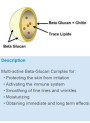
- Beta Glucan (Saccharomyces cerevisiae extract): Known for strengthening the skin's immune system, reducing allergic reactions and irritation, and providing moisture.
- Rose Hip Oil (Extra Virgin / Virgin, Fresh): Helps repair skin, reduce inflammation, and improve skin texture and scars.
- Bisabolol (Natural Bisabolol (Brazil Chamomile) / Bisabolol (Alpha Bisabolol, Bisabolol RAC)): An ingredient specifically known for its anti-inflammatory and anti-irritant properties, helping to soothe sensitive skin.
- Light Cream Maker: An emulsifier to create the cream texture.
- Phenoxyethanol: A preservative.
Suitability for Sensitive Skin
While many ingredients in this formula are beneficial for sensitive skin (like Beta Glucan and Bisabolol), suitability can vary greatly from person to person. As the expert mentioned, there's no guarantee that any formula will be universally non-irritating.
The expert specifically suggested considering alternatives for Phenoxyethanol, the preservative in the original formula. Although Phenoxyethanol (Extra Pure) is a common and generally safe preservative, some individuals with very sensitive skin might react to it.
Suggested Preservative Alternatives
For sensitive skin, the expert recommended replacing Phenoxyethanol with:
- Phenoxyethanol SA (eq. Optiphen Plus): This is a broad-spectrum preservative blend that includes Phenoxyethanol, Caprylyl Glycol, and Sorbic Acid. Using a blend can sometimes allow for a lower concentration of individual components, potentially reducing irritation risk while providing effective preservation.
- Mild Preserve (Ethylhexylglycerin Caprylyl Glycol): This likely refers to using Ethylhexylglycerin and Caprylyl Glycol together. Ethylhexylglycerin is a gentle ingredient with some preservative-boosting and moisturizing properties, often used in combination with other preservatives. Caprylyl Glycol also has mild antimicrobial properties and acts as a humectant.
Replacing the 1% Phenoxyethanol with one of these alternatives at the recommended usage rate for the alternative would be a good approach for sensitive skin. Always check the specific usage rate for the alternative preservative you choose.
Recommended Approach for Sensitive Skin
- Consider the Preservative Change: Based on the expert's advice, it is recommended to use Phenoxyethanol SA or a combination of Ethylhexylglycerin and Caprylyl Glycol instead of Phenoxyethanol (Extra Pure) in the formula if you have sensitive skin.
- Patch Test: Regardless of the ingredients, it is crucial to perform a patch test on a small area of your skin before applying the cream to your face or body. This will help you determine if you have any adverse reactions to the specific combination of ingredients.
- Start with Lower Concentrations (Optional): If you are very concerned, you could consider starting with slightly lower percentages of the active ingredients (Green Tea Extract, Beta Glucan, Rose Hip Oil) and gradually increase them if your skin tolerates the formula well. However, the percentages in the original formula are generally within recommended ranges.
By incorporating the expert's suggestion for the preservative and performing a patch test, you can increase the likelihood that this formula will be suitable for your sensitive skin.
Related Products Mentioned

Natural Bisabolol (Brazil Chamomile)
Light Cream Maker™
Phenoxyethanol (Extra Pure)
Ethylhexylglycerin
Hi-EGCG™ (Green Tea Extract)
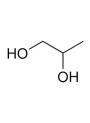
Caprylyl Glycol (1,2-Octanediol)

Phenoxyethanol SA (eq. Optiphen Plus)
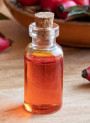
Rosehip Oil (Virgin, Fresh)