Cream Formula Review: Anti-aging, Brightening, Firming for Sensitive Skin
Question
Hello,
I would like to ask for advice on the following formula before ordering ingredients. I want a cream that reduces wrinkles, melasma, and freckles, tightens skin and pores, brightens the face, provides moisture, and does not cause irritation, suitable for sensitive skin.
Here is the proposed formula:
- Allantoin 0.2%
- Light Cream Maker 1%
- Pep-Coll 3%
- Acetyl Hexapeptide-8 6%
- Safe B3 3%
- Wrinkle-Lax 0.4%
- Japanese Cedar 1%
- Repair Activator 10%
- GlucoBright 3%
- Mild Preserved Eco 1%
- Rice bran oil 10%
- DI Water 60.4%
I have additional questions:
- Could you please advise on the steps for adding each ingredient?
- How long can the finished cream be stored at room temperature?
- If the formula above is not suitable or has practical drawbacks, please suggest adjustments and more suitable ingredients.
- If I hope to see results after using for about 1 month, how likely is that? And which benefits are likely to be seen first (wrinkle reduction, melasma/freckle reduction, softer skin, brighter face, etc.)?
Answer
Evaluation of Your Cream Formula
Your proposed formula includes a good range of active ingredients targeting multiple concerns like anti-aging, brightening, and skin barrier support, while also including soothing ingredients suitable for sensitive skin. The combination of peptides (Pep-Coll, Acetyl Hexapeptide-8, Wrinkle-Lax), Niacinamide (Safe B3), Acetyl Glucosamine (GlucoBright), Japanese Cedar, and Repair Activator is promising for addressing wrinkles, firmness, dark spots, and overall skin health.
However, there are a few points to consider:
- Emulsifier Concentration: You are using 1% Light Cream Maker with 10% Rice Bran Oil and 10% Repair Activator (Bifida Ferment Lysate). Repair Activator is an electrolyte, and high electrolyte concentrations can reduce the viscosity created by Light Cream Maker. 1% Light Cream Maker might not be sufficient to create a stable and adequately thick cream with 20% oil phase (10% Rice Bran Oil + Light Cream Maker itself) and 10% Repair Activator. You might need to increase the Light Cream Maker concentration to 1.5% or 2% to achieve a stable emulsion with a desirable texture.
- pH Level: Several active ingredients in your formula work best within a specific pH range (e.g., Acetyl Hexapeptide-8, Japanese Cedar, Safe B3, GlucoBright, Repair Activator). The optimal range for most of these appears to be between pH 4.0 and 6.5. You should check the pH of your final cream and adjust it if necessary using a suitable pH adjuster.
Overall, the ingredient selection is good for your stated goals and sensitive skin, but the emulsification system might need adjustment for stability and texture.
Recommended Mixing Procedure
Here is a suggested mixing procedure, keeping in mind the solubility and heat sensitivity of the ingredients:
- Water Phase: Combine DI Water, Allantoin, Safe B3, GlucoBright, Japanese Cedar, and Repair Activator in a beaker. Stir or mix gently until all water-soluble powders are dissolved and liquids are fully dispersed. Ensure Allantoin is completely dissolved (it has limited solubility in water at room temperature, but 0.2% should dissolve with mixing).
- Oil Phase: In a separate beaker, combine Rice Bran Oil and Light Cream Maker. Mix until uniformly dispersed.
- Emulsification: Slowly add the oil phase to the water phase while continuously stirring or homogenizing. Continue mixing until a uniform cream is formed. If the cream is too thin, you may need to increase the Light Cream Maker concentration in the oil phase and re-emulsify.
- Cooling and Adding Heat-Sensitive Ingredients: Once the cream has formed, let it cool down below 40°C. Add Pep-Coll, Acetyl Hexapeptide-8, Wrinkle-Lax, and Mild Preserved Eco. Mix gently until fully incorporated. Avoid high-speed mixing which can damage the polymer structure of the cream maker.
- pH Adjustment: Check the pH of the final cream using a pH meter or pH strips. If it is outside the 4.0-6.5 range, adjust it using a dilute solution of citric acid (to lower pH) or sodium hydroxide (to raise pH), adding drop by drop and mixing well before re-checking.
- Packaging: Once the pH is adjusted and the cream is uniform, package it in a clean container.
Shelf Life and Storage
The shelf life of your finished cream depends on several factors, including the cleanliness of your workspace and equipment, the packaging, and storage conditions. With Mild Preserved Eco at 1%, your cream should be adequately preserved. Stored properly at room temperature (below 30°C) away from direct sunlight and heat, you can generally expect a shelf life of 1 to 2 years. For optimal potency of sensitive active ingredients like peptides and Repair Activator, storing the cream in the refrigerator (4-8°C) is recommended and can help extend its shelf life.
Expected Results
Seeing noticeable results within one month is possible, particularly for certain benefits:
- Hydration and Skin Softness: You should likely see improvements in skin moisture and softness within the first few weeks due to ingredients like Rice Bran Oil, Safe B3, GlucoBright, Japanese Cedar, and Allantoin.
- Reduced Irritation: Allantoin and Japanese Cedar can help soothe the skin and reduce sensitivity relatively quickly.
- Initial Improvement in Fine Lines: The peptides (Pep-Coll, Acetyl Hexapeptide-8) and Wrinkle-Lax may start to show some effect on fine lines within a month, but more significant reduction in deeper wrinkles typically requires longer-term use (e.g., 8-12 weeks or more).
- Skin Brightening/Melasma/Freckles: Safe B3 and GlucoBright work on pigmentation over time. You might start to see a slight improvement in skin radiance within a month, but noticeable reduction in melasma or freckles will likely take several months of consistent use.
- Pore Size and Firmness: Changes in pore size and overall skin firmness usually take longer to become apparent, often requiring several months of consistent application.
Consistency is key to seeing the full benefits of this formulation. Remember to always perform a patch test before applying the cream to your entire face, especially given your sensitive skin concern.
Formula Adjustment Recommendation
As mentioned, the primary adjustment to consider is increasing the Light Cream Maker concentration to 1.5% or 2% to ensure a stable and desirable cream texture, especially with the inclusion of 10% Repair Activator. You can test with 1.5% first and increase to 2% if needed. Keep the total percentage of ingredients at 100% by slightly reducing the DI Water percentage accordingly.
For example, if you increase Light Cream Maker to 1.5%, reduce DI Water to 59.9%. If you increase Light Cream Maker to 2%, reduce DI Water to 59.4%.
Related Products Mentioned
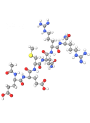
Acetyl Hexapeptide-8 (eq Argireline)
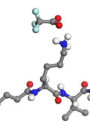
Pep®-Coll (Palmitoyl tripeptide-5)
Safe-B3™ (Vitamin B3, Niacinamide)

Allantoin
GlucoBright™ (Acetyl Glucosamine)
Light Cream Maker™
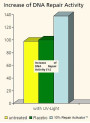

Purified Water, TDS Limit 1PPM)
Mild Preserved Eco™ (Preservative-Free)

Wrinkle-Lax™ คลายริ้วรอย