Cream Formula Review for Melasma, Redness, and Texture Issues
Question
I have developed a cream formula targeting melasma, redness from acne, and dullness from sun exposure. I would like an expert review of the formula, specifically regarding ingredient compatibility, concentrations, and potential texture issues like stickiness or pilling. The formula contains the following ingredients:
Activated Resorcinol1%ODA-White Plus2%Vitamin B3 (Niacinamide)4%NAG (Acetyl Glucosamine)4%Tranexamic Acid3%Licorice Extract1%PE-1 AquaLight Cream Maker4%LipidSoft C121510%Phenoxyethanol0.8%
Could you please review this formula and provide recommendations?
Answer
Formula Review and Recommendations
Thank you for sharing your formula. It contains several excellent ingredients targeting your concerns regarding redness from acne, dullness from sun exposure, and melasma.
Based on the ingredients and the feedback provided, here is a review and some recommendations:
Key Ingredients and Benefits
Your formula includes a powerful combination of active ingredients:
- Activated Resorcinol, ODA-White Plus, Vitamin B3 (Niacinamide), NAG (Acetyl Glucosamine), and Tranexamic Acid are all effective whitening agents that work through different mechanisms to reduce hyperpigmentation, dark spots, and melasma.
- Vitamin B3 (Niacinamide) and Licorice Extract have anti-inflammatory properties that can help reduce redness associated with acne.
- Vitamin B3 (Niacinamide) and Licorice Extract can also help control excess oiliness.
- NAG (Acetyl Glucosamine) helps improve skin hydration and texture.
Formulation Considerations and Adjustments
PE-1 Aqua Compatibility: As noted in the previous replies, PE-1 Aqua is designed to enhance penetration of water-soluble ingredients. Using it with oil-soluble ingredients like ODA-White Plus and Activated Resorcinol can reduce their absorption effectiveness. Removing PE-1 Aqua from the formula is advisable if you wish to maximize the efficacy of your oil-soluble actives.
Light Cream Maker Concentration: The staff recommendation to reduce Light Cream Maker from 4% to 1-1.5% is appropriate. Using too much can lead to a sticky texture and pilling on the skin.
LipidSoft C1215 Concentration: Reducing LipidSoft C1215 from 10% to 5% is also a good suggestion, especially for skin prone to acne and redness, which tends to be oilier. 5% should still be sufficient to dissolve the oil-soluble actives like Activated Resorcinol.
Potency and Potential Irritation: Your formula contains a high concentration and combination of potent whitening agents. While this can be very effective for stubborn pigmentation and melasma, it also increases the potential for skin irritation, especially with 1% Activated Resorcinol. Consider adding an anti-irritant like Natural Bisabolol if you find the formula too strong. Always perform a patch test before applying to your entire face.
pH Level: Ensure the final pH of your formula is within the optimal range for the active ingredients. A pH between 4.5 and 6.5 would generally be suitable for most of the actives in your formula, particularly Activated Resorcinol and Vitamin B3.
Revised Formula Structure (Example)
Based on the recommendations, a revised structure might look like this:
- Water (adjust percentage to reach 100% total)
- LipidSoft C1215 5%
- ODA-White Plus 2%
- Light Cream Maker 1-1.5%
- Activated Resorcinol 1%
- Vitamin B3 (Niacinamide) 4%
- NAG (Acetyl Glucosamine) 4%
- Tranexamic Acid 3%
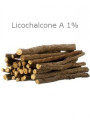
- Licorice Extract 1%
- Phenoxyethanol 0.8%
(Remove PE-1 Aqua)
This revised formula maintains the key active ingredients for addressing your concerns while adjusting the base and penetration enhancer for better compatibility and skin feel, as well as reducing potential irritation from the base ingredients themselves.
Remember to mix the oil-soluble ingredients (LipidSoft C1215, ODA-White Plus, Activated Resorcinol) together before combining with the water phase containing the water-soluble ingredients (Vitamin B3, NAG, Tranexamic Acid, Licorice Extract, Phenoxyethanol, Water), using the Light Cream Maker to emulsify the two phases. Ensure the pH is adjusted after combining.
This formula appears well-suited to target redness, dullness, and melasma, provided the suggested adjustments are made and skin tolerance is monitored.
Related Products Mentioned
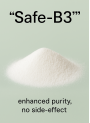
Safe-B3™ (Vitamin B3, Niacinamide)
GlucoBright™ (Acetyl Glucosamine)
Light Cream Maker™
Phenoxyethanol (Extra Pure)

Trans-White™
Purified Water, TDS Limit 1PPM)

PE-1 Aqua
