Cream Formulation: Adding Extracts, Shelf Life, and Color Stability
Question
I would like to ask about formulating a cream:
- Can natural extracts (herbs) be mixed into a cream formulation?
- What is the typical shelf life of a homemade cream?
- When adding color to a cream, why does the color fade after only a few months?
(Referring to previous advice about incorporating moisturizing ingredients like Urea or HYDRO-UREA Liquid into the cream base.)
Answer
Answers to Your Formulation Questions
Here are the answers to your questions regarding formulating a cream:
1. Can herbs be mixed into a cream?
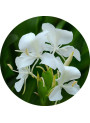
Yes, you can mix natural extracts into a cream formulation. It is important to choose extracts that are suitable for cosmetic use and are compatible with your cream base. Extracts are typically added to the water phase of the formulation. Some extracts, like Jasmine Flower Extract or Ginger Lily Extract, are primarily used for their natural scent, while others, such as Calendula Extract, have tested benefits for the skin like reducing inflammation and moisturizing.
2. How long can the cream be stored?
The shelf life of a homemade cream depends significantly on the ingredients used and proper preservation. To prevent microbial growth and extend shelf life, it is crucial to include a broad-spectrum preservative. Examples of preservatives include NaturePreserve™ Ultra, Mild Preserved™ COS, or NaturePreserve™ LB2. With proper preservation and storage (keeping it in a cool place, away from direct sunlight and heat, and ensuring the container is sealed tightly), a homemade cream can typically last for 1-2 years. However, for commercial products, a challenge test is required to confirm the exact shelf life.
3. Why does the color fade after a few months when color is added?
Color fading in cosmetic formulations can be caused by several factors, including:
- Light Exposure: UV light can degrade some color pigments over time. Adding a UV filter to the formula can help protect the color.
- Heat: High temperatures can accelerate the breakdown of color.
- pH Changes: The stability of some colors is dependent on the pH of the formulation. If the pH changes over time, the color may fade or change hue.
- Interaction with other ingredients: Certain ingredients in the formula can react with the color pigments, causing them to fade.
Using cosmetic-grade colors designed for the specific type of product (water-based or oil-based) is essential. Some colors are more stable than others; for example, Caramel Color EasyWash™ is noted as being fade-resistant.
Regarding the staff's previous suggestion, you can incorporate moisturizing ingredients like Urea or HYDRO-UREA® Liquid into your cream base. Note that Urea may require stabilization to maintain the formula's pH over time, as mentioned in its product description.
Related Products Mentioned

Calendula Extract (Water Soluble)
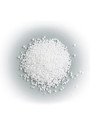
Urea (High Purity, Cosmetics, Powder)

HYDRO-UREA® Liquid (Hydroxyethyl Urea)
Jasmine Flower Extract
Black Color Powder (Water-Soluble)

Caramel Color EasyWash™