Cream Formulation: Addressing Sticky Texture and Ingredient Dissolution Temperatures
Question
I am formulating a cream and encountering issues with a sticky and oily texture. I have questions regarding the dissolution temperature of Kojic Acid Dipalmitate and the heating process for other ingredients.
My formula includes:
- Kojic Acid Dipalmitate
- E-Wax
- Cetyl Alcohol
- Stearic Acid
- Jojoba Oil, Argan Oil, Grape Seed Oil
- isohexadecane
- Dimethicone (Medium/350, Low-Odor)
- Aminocoat, Butylene Glycol, Glycerin
- Heat-sensitive ingredients (Raffinose, Licorice Extract, Bisabolol, Alpha Arbutin, Vitamin B3, Tocopheryl Acetate, Phenoxyethanol EHG, Fragrance, Mulberry Extract, Aloe Vera Extract, Tomato Extract)
My questions are:
- The documentation for Kojic Acid Dipalmitate states it should be dissolved in oil at a temperature not exceeding 60°C. However, I saw a staff response in another thread stating it can be dissolved at 80°C. What is the correct or acceptable temperature range for dissolving Kojic Acid Dipalmitate in oil?
- If the dissolution temperature for Kojic Acid Dipalmitate is strictly 60°C, does this mean I need to heat the oil phase to a higher temperature (e.g., 70°C) to dissolve other ingredients first, then wait for the temperature to drop to 60°C before adding and dissolving the Kojic Acid Dipalmitate?
- When mixing the oil and water phases, should both phases be at the same temperature (e.g., 60°C) for proper emulsification?
- Can isohexadecane and Dimethicone (Medium/350, Low-Odor) be added and heated together with the oil phase up to 80°C, since they are heat stable up to this temperature? Or should they be added at a lower temperature during the cool-down phase to improve the final texture and reduce stickiness/oiliness?
Answer
Hello,
Thank you for providing your formula and process. It seems you've created a rich cream, but the sticky and oily feel is a common issue that can be addressed.
Based on your formula and the feedback you received, here's a breakdown of potential causes for the texture and suggestions for improvement:
Potential Causes for Stickiness/Oiliness:
- High Solid Lipid/Wax Content: The combined percentage of E-Wax (4%), Cetyl Alcohol (3%), and Stearic Acid (3%) is 10%. While these are necessary for forming an emulsion and providing body, this amount can contribute significantly to a heavy, waxy, or sticky feel, especially when combined with other oils and emollients. The suggestion from
touchzhakornxxto reduce the wax amount (e.g., E-Wax to 1-2%) is a good starting point to reduce tackiness. - Choice of Emollients/Silicones: isohexadecane and Dimethicone (Medium/350) can also contribute to the feel. As suggested, replacing isohexadecane with a lighter emollient like Isododecane and using a lighter viscosity Dimethicone or Cyclomethicone can significantly improve the skin feel, making it less heavy and oily.
Review of Your Original Process and Revised Plan:
Your original process involved heating several heat-sensitive ingredients (Raffinose, Licorice Extract, Bisabolol, Alpha Arbutin, Vitamin B3, Tocopheryl Acetate, Phenoxyethanol EHG, Fragrance) to high temperatures (70-80°C or up to 50°C). This can degrade these ingredients, reducing their effectiveness, although it might not be the primary cause of the sticky texture.
Your revised plan to add many of these heat-sensitive ingredients at lower temperatures (below 30°C or 40°C) is correct and crucial for preserving their efficacy.
Kojic Acid Dipalmitate Dissolution Temperature:
You were right to question the temperature for Kojic Acid Dipalmitate. While the technical data might suggest 60°C, the staff's clarification that 50-70°C (or even up to 80°C as seen in another thread) is acceptable in practice is helpful. It needs to be dissolved in the oil phase with gentle heating.
Heating isohexadecane and Dimethicone:
The staff confirmed that isohexadecane and Dimethicone can be heated with the oil phase up to 80°C. While they are heat stable, adding them during the cool-down phase (e.g., below 50°C or 40°C) is a common technique to improve the final texture and reduce tackiness, as these ingredients are emollients that modify the feel of the cream on the skin.
Suggested Improved Process for Better Texture and Ingredient Stability:
Here is a suggested process that incorporates the correct temperatures for heat-sensitive ingredients and considers the impact on texture:
- Part A (Water Phase - Heat): Combine Water, Aminocoat, Butylene Glycol, Glycerin. Heat to 75°C.
- Part B (Oil Phase - Heat): Combine Jojoba Oil, Argan Oil, Grape Seed Oil, E-Wax, Cetyl Alcohol, Stearic Acid. Heat to 75°C. Consider reducing the percentage of E-Wax, Cetyl Alcohol, and Stearic Acid (e.g., E-Wax to 1-2%, adjust others proportionally or based on desired thickness) to reduce stickiness.
- Kojic Acid Dipalmitate: Add Kojic Acid Dipalmitate to Part B while heating and stir to dissolve. Ensure temperature is around 60-75°C during dissolution.
- Emulsification: Once both Part A and Part B are at 75°C and Kojic Acid Dipalmitate is dissolved, slowly pour Part A into Part B while homogenizing or mixing vigorously until an emulsion forms. Continue mixing while cooling.
- Cool Down (below 40°C): Add isohexadecane, Dimethicone (or suggested lighter alternatives like Isododecane, Cyclomethicone, lighter Dimethicone), Alpha Bisabolol, Tocopheryl Acetate. Mix well.
- Cool Down (below 30°C): Add Raffinose, Licorice Extract, Alpha Arbutin, Vitamin B3, Mulberry Extract, Aloe Vera Extract, Tomato Extract, Phenoxyethanol EHG, Fragrance. Mix well after each addition until homogeneous.
By adjusting the percentage of solid lipids/waxes and using lighter emollients/silicones, and by adding heat-sensitive ingredients at appropriate lower temperatures, you should be able to achieve a less sticky and oily texture while maintaining the efficacy of your active ingredients.
Hope this helps!
Related Products Mentioned
Vitamin E (Tocopheryl Acetate)
Alpha Arbutin (Switzerland)
Safe-B3™ (Vitamin B3, Niacinamide)

Natural Bisabolol (Brazil Chamomile)
Kojic Acid Dipalmitate
Phenoxyethanol (Extra Pure)
Dimethicone (Medium/350, Low-Odor)
Cetyl Alcohol
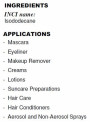
Isododecane (Germany)

Raffinose