Cream Formulation Causing Irritation and Sensitivity
Question
I have formulated a cream, and when I use it, I experience stinging and itching in areas with wounds or redness upon application.
After using it for a while, when I return from work and use makeup remover to cleanse my face, my face feels sensitive and stings.
I would like to ask if any of the following ingredients could be causing the stinging and itching on wounds or making my skin thinner over time. If so, I would like to adjust or reduce the amount.
- Glycerin
- Propylene Glycol
- GlucoBright™ (Acetyl glucosamine)
- Double Hyaluron Liquid
- Ethylhexylglycerin
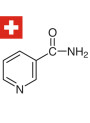
- Safe-B3™ (Vitamin B3, Niacinamide, Switzerland)
- Disodium EDTA
- Acetyl Hexapeptide-8 (eq. Argireline)
- Pal-GHK, Pal-GQPR (eq. Matrixyl 3000)
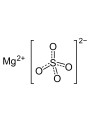
- Magnesium Sulfate (Anhydrous)
- Zinc PCA
- Licorice Extract
- Yeast Radiance™
- Water-in-Oil EZ™
- mineral oil (Paraffinum Liquidum)
Answer
Potential Irritating Ingredients in Your Cream Formulation
Based on the ingredients you listed and the symptoms you're experiencing (stinging/itching on wounded or red areas, and stinging after makeup removal), several ingredients could potentially be the cause, especially when applied to compromised skin or at certain concentrations.
Here's an analysis of the ingredients that are more commonly associated with irritation or increased skin sensitivity:
Active Ingredients known for potential irritation:
- ActiveRelease Retinal™ (Retinaldehyde): Retinoids like retinaldehyde are highly effective for skin renewal and anti-aging, but they are also known to cause initial irritation, redness, peeling, and increased sensitivity as the skin adjusts. While ActiveRelease Retinal™ is encapsulated to provide gradual release and reduce irritation, it can still cause these effects, particularly at higher usage rates (above 3%) or on sensitive or damaged skin. The increased cell turnover promoted by retinal can also make the skin feel more sensitive over time, which might explain the stinging sensation when using makeup remover. Using Niacinamide alongside Retinal is often recommended to help mitigate this irritation.
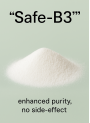
- Safe-B3™ (Vitamin B3, Niacinamide): Although Safe-B3™ is a high-purity grade designed to minimize flushing and irritation compared to standard Niacinamide, using it at high concentrations (above 5-10%) can still potentially cause redness or a warming sensation in some individuals, especially on sensitive or broken skin.
Solvents and Enhancers that can cause stinging on compromised skin:
- Propylene Glycol: This is a common solvent and humectant. While generally safe, it can cause stinging or irritation, particularly on broken or inflamed skin, or if used at high concentrations.
- Ethylhexylglycerin: Used as a preservative enhancer and humectant. It is generally considered gentle, but like many ingredients, it can cause irritation or contact dermatitis in sensitive individuals or at higher concentrations.
Other ingredients:
- Magnesium Sulfate: Used as an emulsion stabilizer in water-in-oil formulas. While necessary for formula stability in this type of emulsion, it can sometimes contribute to dryness or irritation for some skin types.
- Disodium EDTA: Primarily a chelating agent. It's generally not irritating itself but can sometimes enhance the penetration of other ingredients, potentially increasing their irritating effects.
- Ingredients like Glycerin, Acetyl Glucosamine (GlucoBright™), Double Hyaluron Liquid, Acetyl Hexapeptide-8 (Argireline), Pal-GHK/Pal-GQPR (Matrixyl 3000), Zinc PCA, Licorice Extract, Yeast Radiance™, Water-in-Oil EZ™, and Mineral Oil are generally less likely to be the primary cause of stinging on wounds or skin thinning at typical usage rates. In fact, ingredients like Hyaluronic Acid, Glycerin, Mineral Oil, Zinc PCA, and Licorice Extract are often included to soothe the skin and support the skin barrier.
Conclusion:
The stinging sensation on wounded or red areas is most likely due to the presence of ingredients like Propylene Glycol, Ethylhexylglycerin, and potentially Safe-B3™ (Niacinamide), which can be more irritating when the skin barrier is compromised.
The increased sensitivity and stinging when using makeup remover after prolonged use could be attributed to the skin renewal process stimulated by ActiveRelease Retinal™. While this ingredient is beneficial for anti-aging, it can lead to temporary sensitivity as your skin adjusts. This is not true "thinning" of the skin in a negative sense, but rather increased cell turnover which can make the skin feel more vulnerable.
Recommendations:
- Avoid applying the cream to wounded or highly irritated skin. Cosmetic products, even those with gentle ingredients, can sting on broken skin.
- Review the concentrations of Propylene Glycol, Ethylhexylglycerin, and Niacinamide in your formula. Consider reducing them if they are at the higher end of the recommended usage rates.
- Assess the concentration of ActiveRelease Retinal™. If you are using it at a higher percentage (above 3%), consider reducing it or gradually increasing the frequency of use to allow your skin to adjust. Ensure you are using it in conjunction with Niacinamide as suggested in the product description to help reduce irritation.
- Consider the makeup remover you are using. Some makeup removers, especially those containing harsh surfactants or alcohol, can strip the skin's natural oils and compromise the barrier, leading to stinging, particularly if your skin is already sensitized by other ingredients like retinoids. Using a gentler makeup remover might help.
- Simplify your routine temporarily to identify the most likely irritating ingredient.
By adjusting the concentrations of potentially irritating ingredients and being mindful of how you apply the product, especially on compromised skin, you may be able to reduce the stinging and discomfort.
Related Products Mentioned
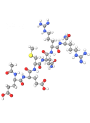
Acetyl Hexapeptide-8 (eq Argireline)
Pal-GHK, Pal-GQPR (eq Matrixyl 3000)
Safe-B3™ (Vitamin B3, Niacinamide)
GlucoBright™ (Acetyl Glucosamine)
Propylene Glycol (USP)
Glycerin (USP/Food Grade)
Disodium EDTA
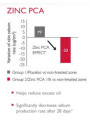
Zinc PCA
Double Hyaluron Liquid
Ethylhexylglycerin

Yeast Radiance™