Cream Formulation: Cream Makers vs. Traditional Methods and Texture Adjustment
Question
Could you explain the difference between formulating a cream using 'cream maker' products (which are emulsifiers/thickeners) versus the traditional method requiring multiple emulsifiers and thickeners with HLB calculation? Additionally, how do commercial brands typically modify the texture of creams formulated with 'cream makers', specifically mentioning the role of ingredients like:
- Waxes (e.g., Beeswax)
- Fatty alcohols (e.g., Cetyl Alcohol, Cetearyl Alcohol)
- Glyceryl Stearate SE
- Silicones
Answer
Understanding Cream Formulation: Cream Makers vs. Traditional Methods
Based on your question and the information provided, let's clarify how creams are formulated, addressing the use of 'cream makers' and alternative methods.
What are Cream Makers?
Products like Light Cream Maker or Luxury Cream Maker are not concentrates in the sense of being a complete cream base that just needs dilution. Instead, they are pure emulsifiers and/or thickeners. They contain the necessary components to help oil and water mix and create a stable cream texture, often simplifying the formulation process significantly.
Making Cream Without Single-Product Cream Makers
If you want to make a cream without using these all-in-one 'cream maker' products, you would typically use a combination of individual emulsifiers and thickeners. This traditional method involves:
- Selecting at least two different emulsifiers.
- Selecting at least one thickener.
- Calculating the required HLB (Hydrophilic-Lipophilic Balance) value for your specific oil and water phases to determine the correct ratio of your chosen emulsifiers for stability.
This method is more complex, time-consuming, and requires careful calculation and testing to ensure the cream remains stable and doesn't separate. Due to this complexity and the higher chance of instability, it is less commonly used today, especially for small-scale or home formulations.
Cream Formulation in Commercial Brands
Yes, it is common for major cosmetic brands to use 'cream makers' or ready-made emulsifier systems similar to those you mentioned. These ingredients offer convenience and help achieve stable formulations more easily, reducing the extensive time previously needed for stability testing (which could take months).
However, using a cream maker provides a basic texture. Brands then customize the feel and appearance of the cream by adding other ingredients. For example:
- To make the texture heavier or thicker, ingredients like waxes (such as Beeswax), fatty alcohols (like Cetyl Alcohol and Cetearyl Alcohol), or Glyceryl Stearate SE might be added.
- To make the texture lighter, smoother, or provide a different skin feel, various types of silicones are often incorporated.
Therefore, while a cream maker provides the foundational structure, the final texture and feel of a high-end cream are achieved through the careful selection and combination of many other ingredients and specific formulation techniques.
Related Products Mentioned
Light Cream Maker™
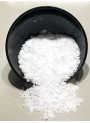
Cetyl Alcohol
Silicone Gel (Ultra Clear, Super Silky)