Cream Formulation Discoloration (Browning) with Copper Peptide and EGCG
Question
I have formulated a cream containing the following ingredients:
- Copper Peptide
- Pep-Coll
- Argireline
- Caffeine
- EGCG
- Adenosine
- Phenoxyethanol
The formula has a pH of 5.5. After mixing, the product is packaged in [User needs to specify packaging type - assumed to be asked by staff for diagnosis]. Over time, the cream is turning brown.
I am considering switching the preservative from Phenoxyethanol to Mild Preserved Eco.
What is causing the browning, and how can I prevent it? Will switching the preservative help?
Answer
Understanding the Discoloration in Your Cream Formulation
The browning observed in your cream formulation, which contains Copper Peptide, Pep-Coll, Argireline, Caffeine, EGCG, Adenosine, and Phenoxyethanol, is most likely due to the interaction between Copper Peptide (GHK-Cu) and EGCG (Epigallocatechin Gallate).
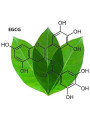
Copper peptides contain copper ions, which are metal ions. EGCG, a potent antioxidant found in green tea extract, is a type of polyphenol. Polyphenols are prone to oxidation, and the presence of metal ions like copper can catalyze and accelerate this oxidation process. This oxidation often results in a change in color, typically turning brown or reddish-brown, over time.
While your formula's pH of 5.5 is within the recommended stability range for Copper Peptide (pH 4.5-7.4), this pH range primarily addresses the stability of the peptide itself, not necessarily its potential interactions with other ingredients like EGCG.
Regarding your consideration to switch from Phenoxyethanol to Mild Preserved Eco, Mild Preserved Eco is a suitable alternative preservative. Its INCI name is Ethylhexylglycerin, 1,3 Propanediol. It functions as a preservative blend and humectant and is not classified as a traditional preservative by the FDA, allowing for "preservative-free" claims. It is compatible with a pH range of 4-9, which works well with your formula's pH of 5.5.
However, switching to Mild Preserved Eco is unlikely to prevent the browning caused by the interaction between Copper Peptide and EGCG, as this reaction is primarily driven by the active ingredients themselves rather than the preservative.
To minimize or prevent this discoloration, you might consider:
- Reducing the concentration of either Copper Peptide or EGCG in the formula.
- Incorporating a chelating agent to bind the copper ions, although this could potentially impact the efficacy of the Copper Peptide.
- Packaging the product in opaque containers to protect it from light exposure, which can accelerate oxidation.
- Storing the finished product in a cool, dark environment.
Understanding the interactions between active ingredients is crucial for stable and effective formulations.
Related Products Mentioned

Phenoxyethanol (Extra Pure)
Glycerin (USP/Food Grade)
Mild Preserved Eco™ (Preservative-Free)
Acetyl Hexapeptide-8 (eq Argireline)
Pep®-Coll (Palmitoyl tripeptide-5)
Vitamin E (Tocopheryl Acetate)
Jojoba Oil (Golden - Deodorized)
Cetyl Alcohol
Cetearyl Alcohol (50/50, e.q. Lanette O)
CF Powder
Pure-Adenosine™
Pure-EGCG™ (Green Tea Extract, 98% EGCG)
Cetyl Palmitate