Cream Formulation for Acne, Melasma, and Wrinkles Causing Breakouts
Question
I am currently formulating a cream that contains ingredients for treating acne, melasma, and reducing wrinkles. However, I have a problem: when used, small pimples appear. I tested it on someone who has never had acne issues, and they developed blackheads and small pimples.
I am unsure which ingredient in the formula is causing this. I suspect it might be due to:
- Liposome
- Vitamin A (Retinyl Palmitate)
Could you please provide advice on this issue?
Answer
Potential Causes of Breakouts in Your Cream Formulation
It's understandable to be concerned when a new cream formulation causes unexpected breakouts, especially on someone who doesn't typically experience acne. Let's look at the potential culprits you mentioned and other possibilities.
Vitamin A (Retinyl Palmitate)
Vitamin A derivatives, including Retinyl Palmitate, are known for their effectiveness in treating acne, reducing wrinkles, and improving skin texture. However, when first introduced to the skin, especially at higher concentrations or on sensitive skin, they can sometimes cause a temporary increase in breakouts, often referred to as ''purging.'' This happens as the ingredient accelerates skin cell turnover, bringing underlying congestion to the surface.
- Retinyl Palmitate is generally considered one of the milder forms of Vitamin A compared to Retinol or Retinoic Acid.
- The recommended usage rate for Retinyl Palmitate (1MIU/g) is typically 0.1-1.0%. Using concentrations higher than 1% is warned against as it can cause skin irritation.
It is possible that the concentration of Retinyl Palmitate in your formula is too high for the individuals testing it, or their skin is reacting to the introduction of a retinoid.
Liposome
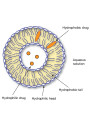
Liposomes are essentially delivery systems, often made from ingredients like Phosphatidylcholine. While the liposome structure itself is less likely to directly cause acne, what is encapsulated within the liposome or other ingredients used in the overall cream base could be contributing factors.
Other Potential Causes
- Other Active Ingredients: Your formulation targets acne, melasma, and wrinkles. Some ingredients used for melasma or wrinkles might be irritating or comedogenic for certain skin types.
- Cream Base Ingredients: The base of your cream formulation (emollients, oils, emulsifiers, thickeners, etc.) can contain ingredients that clog pores and lead to breakouts, even on non-acne-prone skin. Testing the base formulation without the active ingredients can sometimes help isolate the issue.
- Concentration of Actives: Even beneficial ingredients can cause irritation or breakouts if used at too high a concentration.
- Combination of Actives: The interaction between multiple active ingredients targeting different concerns (acne, melasma, wrinkles) could potentially lead to irritation or unexpected reactions.
Recommendations
- Review Retinyl Palmitate Concentration: Check the percentage of Retinyl Palmitate used in your formula. Ensure it is within the recommended range (0.1-1.0%) and consider starting at a lower concentration, especially for individuals new to Vitamin A products.
- Evaluate Cream Base: Examine the ingredients in your cream base for known comedogenic substances.
- Isolate Ingredients: If possible, try testing simpler versions of the formulation (e.g., the base cream alone, the base cream with only one active ingredient at a time) to help identify which component might be causing the reaction.
- Consider Skin Adaptation: If the breakouts are small and temporary (purging), the skin might adapt over time. However, if they persist or worsen, it indicates the formulation is not suitable or needs adjustment.
Pinpointing the exact cause requires careful review of the entire formula and potentially systematic testing of individual components.
Related Products Mentioned
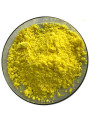
Retinol (100% Pure Powder)