Cream formulation for dry skin with melasma, freckles, and wrinkles - review and adjustment
Question
I have dry skin, am 32 years old, and have melasma, freckles, and wrinkles. I have created the following cream formulation and would like to know if I should cut or add anything:
- Vitamin C 3%
- Vitamin B5 3%
- Vitamin B3 % (percentage is missing)
- Azelaic Acid 3%
- Tranexamic Acid 3%
- MSH White Absorb 3%
- Hydro Protein 3%
- Pal-GHK, Pal GQPR 3%
- Kojic Acid dipalmitatrol 3%
- Active Resveratrol 3%
- Alpha Arbutin 3%
- Licorice Extract 2%
- Grape Seed Oil 2%
- Soy Extract 2%
- cream maker 1%
- Remaining part is water
Should I cut or add anything to this formula?
Answer
Based on your formulation and skin concerns (dry skin, melasma, freckles, wrinkles), here are some suggestions for adjustment:
Your formula includes a high number of potent active ingredients targeting brightening, pigmentation, and wrinkles. While this comprehensive approach can be beneficial, the combination and concentrations may be too irritating for dry skin, which typically has a more sensitive barrier.
Points to Consider and Adjustments:
- Vitamin B3 (Niacinamide) Percentage: The percentage for Niacinamide is missing from your list. Please provide this percentage for a complete evaluation. Niacinamide is excellent for brightening, wrinkles, and strengthening the skin barrier.
- Simplify Brightening/Anti-Pigmentation Actives: You have several ingredients targeting pigmentation (Vitamin C, Azelaic Acid, Tranexamic Acid, MSH White Absorb, Kojic Acid Dipalmitate, Alpha Arbutin, Licorice Extract, Soy Extract, Resveratrol). Using this many, especially at 3% each, increases irritation risk. Consider selecting 2-3 key brightening agents that complement each other and are known to be less irritating or used at lower concentrations for sensitive skin. For example, a combination of Niacinamide, Tranexamic Acid, and Alpha Arbutin is often effective.
- Increase Hydration and Emollience: For dry skin, the base of the formulation is crucial. A 1% concentration for the cream maker seems low for a stable and nourishing cream. Increase the cream maker percentage according to the specific product's instructions to achieve a richer texture that provides better hydration and barrier support. You might also consider slightly increasing emollient oils like Grape Seed Oil if needed, but focus on the cream base first.
- Hydro Protein Concentration: The 3% concentration of Hydro Protein is higher than the generally recommended usage rate (0.5-1.0%). While it adds moisture, reducing it to the recommended range is advisable.
- Consider Ingredient Interactions and pH: The interaction between multiple active ingredients and the overall pH of the formula is important for stability and effectiveness, as well as minimizing irritation. Ensure the final pH is suitable for the chosen ingredients and your skin type.
In summary: To make this formula more suitable for dry, sensitive skin while still addressing pigmentation and wrinkles, I recommend simplifying the blend of active brightening ingredients, ensuring the Niacinamide percentage is appropriate, increasing the cream maker for better hydration, and reducing the Hydro Protein percentage. Always perform a patch test before using the final product.
Related Products Mentioned
Pal-GHK, Pal-GQPR (eq Matrixyl 3000)
Active Resveratrol™
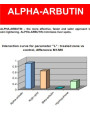
Alpha Arbutin (Switzerland)
Safe-B3™ (Vitamin B3, Niacinamide)
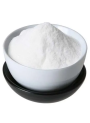
Vitamin C (L-ascorbic acid) (Fine)
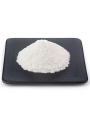
Kojic Acid Dipalmitate
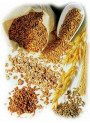

Soy Extract (Isoflavones / Genistein)

MSH White Absorb™