Cream Formulation Guide for Beginners
Question
I want to make a cream using the following ingredients: Grape Seed Oil, Magnesium Aspartate, Zinc Gluconate, Copper Gluconate, Vitamin C (L-ascorbic acid), Panthenol, Aloe Vera Extract, Cucumber Extract, Allantoin, and Glycerin.
How can I formulate a stable cream with these ingredients? What emulsifier and preservative should I use? Are there any specific considerations for incorporating L-ascorbic acid, such as its stability and required pH?
Answer
Cream Formulation Guide for Beginners
Hello! It's great that you're interested in making your own cream. You have a wonderful list of beneficial ingredients. As noted by others, a complete cream formulation requires a few more components to create a stable and safe product.
To make a cream, you generally need:
- Water Phase: Contains water and water-soluble ingredients.
- Oil Phase: Contains oils, butters, and oil-soluble ingredients.
- Emulsifier: A substance that helps mix the water and oil phases to form a stable cream.
- Preservative: Essential to prevent the growth of bacteria and mold in any product containing water.
Based on the ingredients you listed and the necessary components, here is a sample formula structure for a 1 kilogram batch. Please note that these are starting percentages and may need adjustment based on the specific products you use and desired texture.
Sample 1kg Cream Formula
- Water (Purified Water): Approximately 645.8g (64.58%) - This is the main base for dissolving water-soluble ingredients.
- Oil Phase:
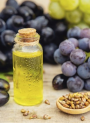
- Grape Seed Oil: 80g (8%) - Provides moisturizing and antioxidant benefits.
- Emulsifier:
- Easy Cream Maker™ or Soft Cream Maker™: 70g (7%) - These are examples of emulsifiers that help bind the oil and water together. You should check the specific usage rate for the product you choose.
- Water Phase Actives:
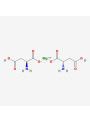
- Magnesium Aspartate: 2g (0.2%) - Part of the mineral complex.
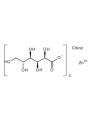
- Zinc Gluconate: 2g (0.2%) - Part of the mineral complex, can help with oiliness and pores.
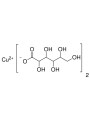
- Copper Gluconate: 0.2g (0.02%) - Part of the mineral complex.
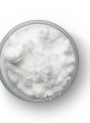
- Vitamin C (L-ascorbic acid): 50g (5%) - For brightening and antioxidant effects. Note: L-ascorbic acid requires a low pH (ideally 3.5-4.0) for stability, which can be challenging in a cream and may require pH adjustment.
- Panthenol (Vitamin B5): 20g (2%) - A humectant that helps moisturize and soothe the skin.
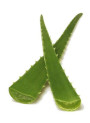
- Aloe Vera Extract: 40g (4%) - Known for its soothing and moisturizing properties.
- Cucumber Extract: 40g (4%) - Provides soothing and softening effects.
- Allantoin: 5g (0.5%) - Helps reduce irritation and promote skin healing.
- Preservative:
- Mild Preserved™ COS: 15g (1.5%) - Essential to prevent microbial growth. Check the recommended usage rate for the specific product.
- Optional Humectant:
- Glycerin: 30g (3%) - Helps draw moisture into the skin.
Total: 1000g (100%)
General Mixing Instructions
- Prepare the Water Phase: Combine purified water, Magnesium Aspartate, Zinc Gluconate, Copper Gluconate, Panthenol, Aloe Vera Extract, Cucumber Extract, Allantoin, and Glycerin (if using) in a heat-resistant container. Heat gently if needed to fully dissolve powders (except Vitamin C).
- Prepare the Oil Phase: In a separate container, combine Grape Seed Oil and your chosen Emulsifier. Heat gently until the emulsifier is melted or dispersed.
- Combine Phases: Slowly pour the oil phase into the water phase while continuously stirring or using a homogenizer. Mix until a stable emulsion (cream) forms and cools down.
- Add Heat-Sensitive Ingredients: Once the cream has cooled below 30°C, add the Vitamin C (L-ascorbic acid) and the Preservative.
- Adjust pH: Check the pH of the final cream. For L-ascorbic acid stability and skin compatibility, aim for a pH between 3.5 and 4.0. You may need to use a pH adjuster (like a weak acid or base solution) carefully.
- Final Mix: Stir well to ensure all ingredients are evenly distributed.
Important Considerations for Beginners
- Hygiene: Always work in a clean environment and sanitize your equipment and containers to prevent contamination.
- Ingredient Compatibility: Ensure all ingredients are compatible with each other and the chosen emulsifier and preservative.
- Stability: The stability of the cream (preventing separation) and the active ingredients (like Vitamin C) needs to be tested over time. L-ascorbic acid is particularly prone to oxidation.
- Usage Rates: Always follow the recommended usage rates for each ingredient provided by the supplier.
- Testing: Start with small batch sizes to test the formulation before making larger quantities.
Making cosmetics requires practice and learning. Referencing reliable resources and starting with simpler formulations can be very helpful.
Related Products Mentioned

Allantoin
Vitamin C (L-ascorbic acid) (Ultra-Fine)

Cucumber Extract (France)
Easy Cream Maker™
Zinc Gluconate
Copper Gluconate