Cream Formulation Instability with Azelaic Acid and Satin Moose
Question
I am developing a light, non-greasy cream formulation targeting skin dullness and occasional acne. I used Satin Moose as the emulsifier and included Azelaic Acid along with other actives like Alpha Arbutin, Licorice Extract, Vitamin B3, and N-Acetyl Glucosamine. I also removed Isopropyl Myristate. However, after adding the Azelaic Acid, the cream turned liquid.
Could you please advise on:
- Why did the cream turn liquid after adding Azelaic Acid when using Satin Moose?
- What are the recommended solutions to fix this stability issue while keeping Azelaic Acid in the formula?
- What is the role of Cyclomethicone in achieving a fast-absorbing texture?
- Are there any specific considerations regarding pH adjustment (using Citric Acid vs. Lactic Acid) and the use of fragrance and color for this type of formula and skin concern?
Answer
Formulation Feedback and Solutions
Based on your detailed formulation journey and the expert advice shared, it's clear you've made significant progress in refining your cream formula for skin dullness and occasional acne, aiming for a light, non-greasy feel.
Understanding the Emulsion Issue
The problem you encountered with the cream turning liquid after adding Azelaic Acid when using Satin Moose is due to the incompatibility between Satin Moose and the electrolytes present in Azelaic Acid. Satin Moose is sensitive to electrolytes, which can destabilize the emulsion it creates.
Recommended Solutions
As discussed, there are two main paths to resolve this:
Switch Emulsifier to Light Cream Maker: This is the recommended approach if you want to maintain a cream texture and include Azelaic Acid. Light Cream Maker is known to be more tolerant of electrolytes. You may need to use a higher concentration (around 3-5%) and add it as the final step after combining all other liquid ingredients to ensure proper emulsification.
Switch to a Gel Base with Pro Polymer: If a cream texture isn't strictly necessary, you could formulate a gel using Pro Polymer. This would avoid the emulsifier-electrolyte incompatibility issue entirely but means your base would be a gel, not a cream, and you wouldn't be able to incorporate oil-soluble ingredients.
Other Important Formulation Points
- Remove Isopropyl Myristate: Good step to remove this ingredient as it is known to be comedogenic and can contribute to acne.
- Fragrance and Color: For acne-prone skin, it's generally advisable to omit fragrance and color to minimize potential irritation.
- Active Ingredients: Your revised list of actives (Alpha Arbutin, Licorice Extract, Vitamin B3, N-Acetyl Glucosamine, Azelaic Acid) is a good combination for targeting both dullness and occasional acne.
- pH Adjustment: If you include Azelaic Acid, you must adjust the pH of the final formula downwards using Citric Acid to ensure stability and efficacy, and to be skin-friendly. Avoid using Lactic Acid with emulsifiers like Satin Moose (and generally check compatibility with your chosen emulsifier).
- Cyclomethicone: This ingredient helps provide a light, fast-drying, smooth skin feel by evaporating, contributing to the "ซึมเร็ว" (fast-absorbing) sensation you desire. It doesn't aid penetration but improves the sensory experience.
In summary, to achieve your desired cream texture with Azelaic Acid, switching to Light Cream Maker and adjusting the pH with Citric Acid is the most suitable path based on the expert advice you received.
Related Products Mentioned
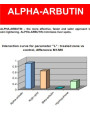
Alpha Arbutin (Switzerland)
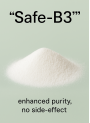
Safe-B3™ (Vitamin B3, Niacinamide)
Light Cream Maker™

Pro Polymer™ (Gel Maker)