Cream Formulation Issues, Ingredient Compatibility, and Substitution
Question
I am formulating a cream using Satin Cream Maker™.
My initial attempt resulted in a very liquid texture. What is the correct mixing procedure for Satin Cream Maker™ to achieve a thick cream texture?
My formula includes Safe-B3™ and GlucoBright™. Are these two ingredients compatible with each other?
Can I replace the combination of Safe-B3™ and GlucoBright™ with Activated Resorcinol™ and include Mineral Oil Light in the formula? If so, what is the recommended usage rate for Activated Resorcinol™ and how should it be incorporated into the formulation, considering its solubility and light sensitivity? Also, what is the role of Mineral Oil Light in this substitution?
Additionally, I observed temporary skin darkening after applying the cream, which disappeared after washing. What could be the reason for this?
Answer
Formulation Advice
Based on your questions and the previous responses:
Cream Consistency: You mentioned the cream was very liquid after mixing. The staff's suggested mixing procedure, where you mix the water phase ingredients (DI Water, Disodium EDTA, Willow Bark Extract, Phenoxyethanol SA) first, then add Satin Cream Maker™ and mix until a thick gel is formed, before adding the remaining ingredients (MSH White Absorb™, Fragrance, Repair Activator™, Licorice Extract, Safe-B3™, GlucoBright™) one by one, is the correct method for using Satin Cream Maker™. This emulsifier requires proper dispersion in the water phase to build viscosity and form a stable cream structure. Your successful attempt after following this revised procedure confirms that the mixing method was the key to achieving the desired cream texture.
Compatibility of Safe-B3™ and GlucoBright™: Yes, the combination of Safe-B3™ (Niacinamide) and GlucoBright™ (Acetyl Glucosamine) is compatible and is actually a well-researched and effective pairing for skin brightening and reducing dark spots. Both ingredients work through different mechanisms to inhibit pigmentation, and studies have shown that using them together can enhance whitening efficiency compared to using either ingredient alone. They also offer other benefits like improving skin barrier function, hydration, and reducing wrinkles (Safe-B3) and gentle exfoliation and hyaluronic acid production (GlucoBright).
Replacing Safe-B3™ + GlucoBright™ with Activated Resorcinol™ + Mineral Oil Light: You can replace the combination of Safe-B3™ and GlucoBright™ with Activated Resorcinol™ for its whitening properties, and include Mineral Oil Light as an emollient in the oil phase.
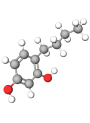
- Activated Resorcinol™ (4-Butyl Resorcinol) is a potent skin brightening agent that works by inhibiting tyrosinase activity and preventing pigment transfer. It is considered more effective than some other whitening agents like Vitamin C or Arbutin. However, it is oil-soluble and light-sensitive. It needs to be dissolved in the oil phase of your formula (like Mineral Oil Light) and the final product should be protected from light (e.g., stored in an opaque container). The recommended usage rate for leave-on products is up to 1%. It is also recommended to use Disodium EDTA (which is already in your formula) to help prevent discoloration of Activated Resorcinol™ and maintain the formula's pH in the optimal range of 4.5-5.5 for Activated Resorcinol™.
- Mineral Oil (Paraffinum Liquidum) Light is a common emollient that provides softness and smoothness to the skin. It is mixed in the oil phase of a cream formulation.
When substituting, you would remove Safe-B3™ and GlucoBright™ from the water phase ingredients. You would then dissolve Activated Resorcinol™ in the Mineral Oil Light (oil phase) before combining the oil phase with the water phase containing the Satin Cream Maker™ gel.
Temporary Skin Darkening: Regarding the temporary skin darkening you observed after applying the cream, which then lightens after washing, the staff's assessment is likely correct that the ingredients themselves are not typically known to cause this effect unless there is an allergic reaction (which you mentioned you didn't experience with itching or rash). Temporary darkening could potentially be related to how the product interacts with the surface of your skin, residual substances on the skin, or possibly a very mild, non-irritating sensitivity. Since it resolves after washing, it doesn't appear to be a permanent issue or a sign of significant irritation.
In summary, your original formula is compatible when mixed correctly. The combination of Safe-B3™ and GlucoBright™ is effective for whitening. You can substitute them with Activated Resorcinol™ and include Mineral Oil Light, but ensure you follow the correct mixing procedure for oil-soluble ingredients and consider the light sensitivity of Activated Resorcinol™.
Related Products Mentioned

Safe-B3™ (Vitamin B3, Niacinamide)
GlucoBright™ (Acetyl Glucosamine)
Disodium EDTA

Satin Cream Maker™
MSH White™ (Undecylenoyl phenylalanine)

Purified Water, TDS Limit 1PPM)