Cream Formulation Issues: Separation, Stability, and Whitening Ingredients
Question
I am developing a cream formulation and have encountered several issues:
- My latest batch using
Water-in-Oil EZemulsifier separated. The formula containsActivated Resorcinol SandWhite Cumin 2x. - Previous Oil-in-Water formulations I made using other emulsifiers also experienced color change and separation over time, even when stored away from direct sunlight, especially when packaged in clear containers.
My current formula includes:
Activated Resorcinol SSafe-B3 (Niacinamide)GlucoBright (NAG)WhiteCumin 2xAllantoinCreatine 100Double Hyaluron LiquidLipidSoft MoistSweet Almond OilDimethicone LightIsododecanePentylene GlycolDisodium EDTAPhenoxyethanolPumpkin Renew
I am considering replacing Activated Resorcinol S with ODA-White Plus to improve stability and target dark spots.
Could you please advise on the following:
- How can I fix the batch that has already separated?
- Why did the
Water-in-Oil EZbatch separate, considering the ingredients used? - What caused the color change and separation in my previous Oil-in-Water formulas?
- Will replacing
Activated Resorcinol SwithODA-White Plushelp improve the color stability and overall stability of the cream? - What are the best emulsifier options (Water-in-Oil or Oil-in-Water) that are compatible with my current ingredient list (or with
ODA-White Plusinstead ofActivated Resorcinol S) to achieve a stable cream formulation targeting skin brightening and dark spots? - What is the recommended mixing procedure for the suggested emulsifiers?
- What type of packaging should I use to ensure product stability and prevent color change?
Answer
Addressing Your Cream Formulation Issues
It appears you've encountered common challenges when formulating creams, particularly with achieving stable emulsions and preventing discoloration in whitening products. Let's break down the issues and explore solutions based on your experience and the staff's feedback.
Problem with Water-in-Oil EZ Formula
The difficulty you experienced in getting the oil phase to combine with Water-in-Oil EZ is likely due to the presence of ingredients like Activated Resorcinol and White Cumin 2x. According to the staff, these ingredients contain self-emulsifying components that are incompatible with Water-in-Oil EZ, interfering with its ability to form a stable emulsion.
Fixing the Separated Batch
For the batch that has already separated, the staff recommends adding Pro Polymer at a concentration of 1-1.5% and blending the mixture. This can help re-emulsify the formula and create a cream-gel texture.
While this can physically salvage the batch, the long-term stability and full efficacy of the active ingredients in a batch that has separated cannot be guaranteed.
Addressing Previous Stability Issues (Color Change and Separation)
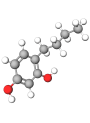
You've also faced issues with previous oil-in-water formulations changing color and separating over time, even when stored away from direct sunlight. As pointed out by the staff and another forum member (C7), ingredients like Activated Resorcinol are sensitive to light, including indoor lighting. Storing the product in a clear container would expose it to light, contributing to discoloration and potential instability over time.
Improving Stability and Targeting Dark Spots
You are considering replacing Activated Resorcinol S with ODA-White Plus to address both stability and efficacy on dark spots.
- Activated Resorcinol is effective for overall skin brightening and reducing pigmentation. However, its sensitivity to light necessitates packaging in opaque containers to maintain stability and prevent discoloration.
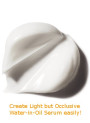
- ODA-White Plus works by inhibiting tyrosinase, which reduces melanin production. Studies show it can improve skin lightness and reduce melanin content, making it a good candidate for targeting melasma, freckles, and dark spots. Importantly, the staff has indicated they have not observed color change issues with ODA-White Plus in their tests, suggesting it may offer better color stability compared to Activated Resorcinol S, especially in the presence of light.
Replacing Activated Resorcinol S with ODA-White Plus is a reasonable approach to potentially improve the color stability of your whitening cream, while still targeting hyperpigmentation effectively.
Ingredient Synergy
Your formula includes a strong combination of whitening and beneficial ingredients:
- Safe-B3 (Niacinamide): Known to reduce hyperpigmentation, improve skin tone, and strengthen the skin barrier. It works well with NAG.
- GlucoBright (NAG): Complements Niacinamide in reducing dark spots and boosts skin hydration by stimulating hyaluronic acid production.
- WhiteCumin 2x: Provides antioxidant benefits and contributes to reducing pigmentation.
- Allantoin: Soothes skin and supports tissue regeneration.
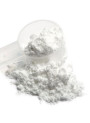
- Creatine 100: Supports collagen production and cell energy, improving skin moisture and reducing irritation.
- Double Hyaluron Liquid: Provides hydration at different skin depths.
- LipidSoft Moist, Sweet Almond Oil, Dimethicone Light, Isododecane, Pentylene Glycol: Contribute to the texture, feel, and solvent properties of the formula.
- Disodium EDTA: Acts as a chelating agent to improve stability.
- Phenoxyethanol: Serves as a preservative.
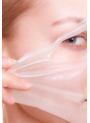
- Pumpkin Renew: Gently exfoliates the skin, aiding in cell turnover.
This blend of ingredients targets multiple aspects of skin health and whitening. Using ODA-White Plus alongside Safe-B3, GlucoBright, and WhiteCumin 2x should provide a comprehensive approach to achieving a brighter, more even complexion and reducing dark spots.
Recommendations for Your Next Attempt
To create a stable whitening cream for normal skin targeting brightness and dark spots:
- Choose a Compatible Emulsifier:
- If you still prefer a Water-in-Oil formula, switch from Water-in-Oil EZ to Water-Capsule. Water-Capsule is compatible with Activated Resorcinol S and White Cumin 2x (and likely ODA-White Plus as well, though compatibility should be confirmed if possible). Follow the specific mixing instructions for Water-Capsule (add the oil phase to the water phase all at once while stirring/blending).
- If you are open to an Oil-in-Water formula, use a compatible emulsifier like Light Cream Maker or Satin Cream Maker. Ensure that the specific grade you use is not listed as incompatible with White Cumin 2x (as Activated Resorcinol S would be replaced).
- Use ODA-White Plus: Replace Activated Resorcinol S with ODA-White Plus at the recommended usage rate (typically 1-3%, with 2% recommended).
- Ensure Proper Packaging: Regardless of whether you choose a Water-in-Oil or Oil-in-Water formula, package the final product in an opaque container to protect the light-sensitive ingredients (like ODA-White Plus and potentially White Cumin 2x) from degradation and discoloration caused by light exposure.
- Review Mixing Procedure: Double-check the mixing instructions for your chosen emulsifier and ensure all ingredients are added at the correct phase and temperature. For Water-in-Oil EZ (if you were to use it without the incompatible ingredients), the method is adding water to oil gradually. For Water-Capsule, it's adding the oil phase to the water phase all at once. For Oil-in-Water emulsifiers like Light Cream Maker or Satin Cream Maker, you typically add the oil phase (containing the emulsifier) to the water phase while mixing.
By addressing the emulsifier compatibility and light sensitivity issues, and by incorporating ODA-White Plus, you should be able to create a more stable and effective whitening cream for your needs.
Related Products Mentioned
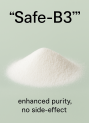
Safe-B3™ (Vitamin B3, Niacinamide)

Allantoin
GlucoBright™ (Acetyl Glucosamine)
Light Cream Maker™
Phenoxyethanol (Extra Pure)
Disodium EDTA
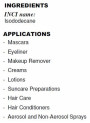
Isododecane (Germany)
Pro Polymer™ (Gel Maker)

Satin Cream Maker™
Double Hyaluron Liquid
Dimethicone (Light/50, Low-Odor)
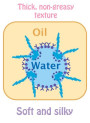
Water-Capsule™ (Water-in-Oil Cream)

ODA-White Plus™
Creatine 100
Pumpkin Renew™ ผลัดเซลล์ผิวอ่อนโยน

LipidSoft™ Moist (Triethylhexanoin)
